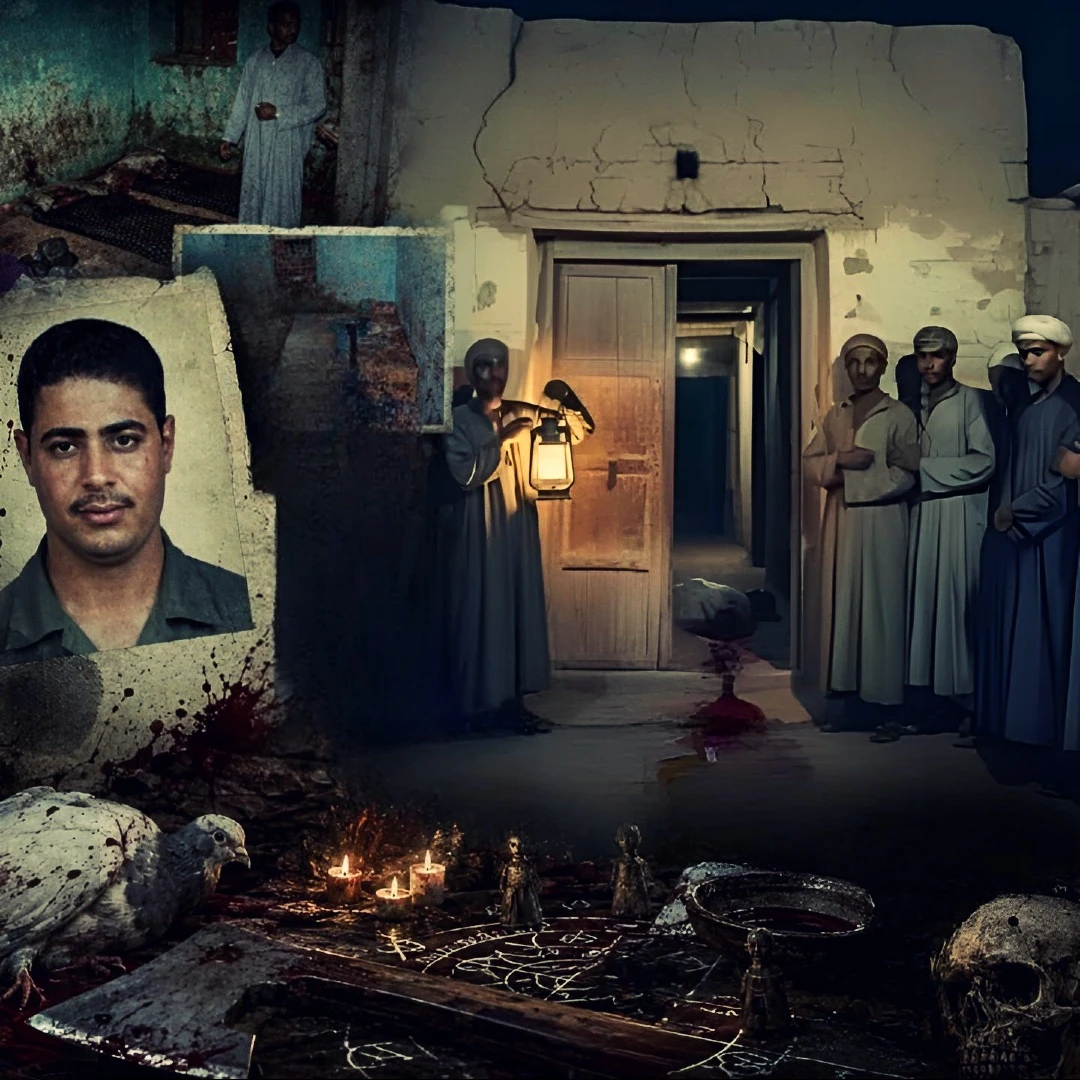
Before dawn broke on December 29, 2005, the village of Shams El-Din in Beni Mazar, Minya Governorate, was enjoying its usual calm. But that morning turned into a nightmare when ten men, women, and children were found brutally murdered in three neighboring homes. The floors were soaked in blood, bodies lay scattered across the rooms, and the signs of extreme violence made investigators immediately realize they were facing one of the most horrific crimes in modern Egyptian history.
The mystery wasn’t just about the number of victims, but also the way the crime was carried out. How did the killer—or killers—move between three houses in a single night without anyone escaping or raising an alarm? This question marked the beginning of a mystery that remains unsolved to this day.
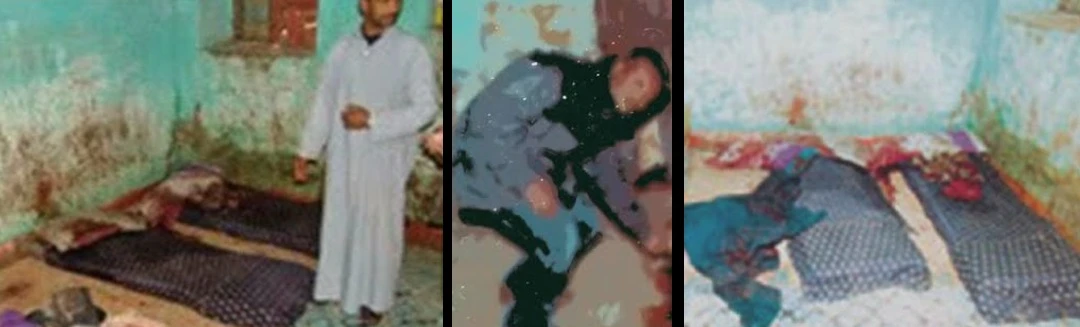
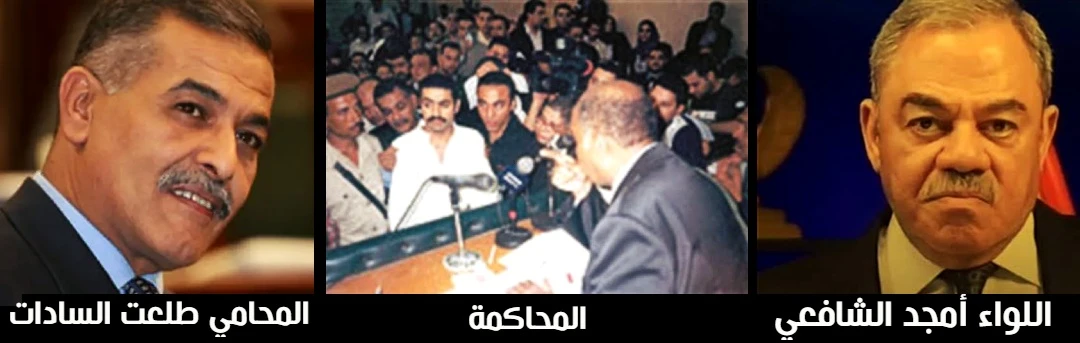
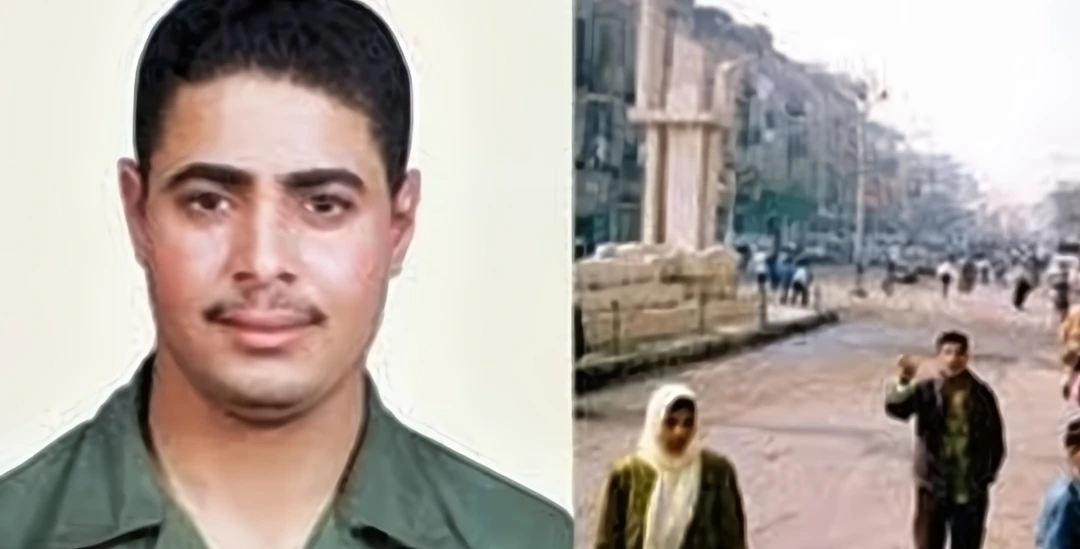
After several days of investigation, authorities announced the arrest of Mohamed Ali Abdel Latif, a local resident. They claimed he confessed to the massacre and even reenacted how he committed it. According to later police accounts, including those shared by retired General Amjad El-Shafie, the suspect allegedly attacked his victims while they slept, delivering swift, powerful blows to their heads—possibly with an axe—leaving them unable to resist. This could explain the absence of screams or calls for help. The victims were then reportedly slashed from the neck down to the abdomen, and the male victims' genital organs were removed.
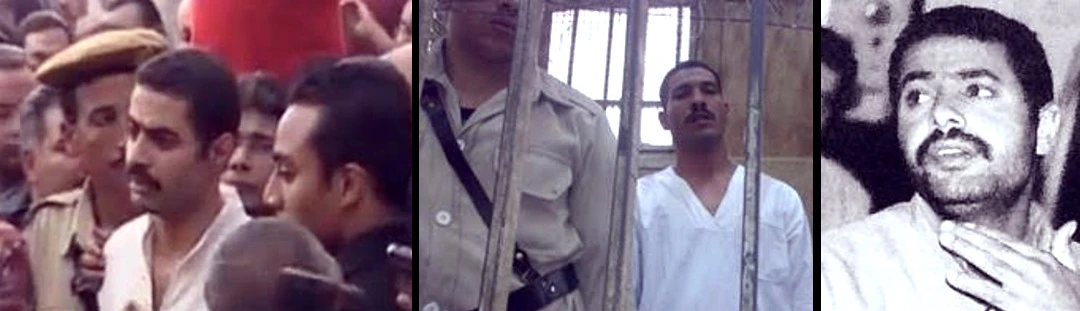
But the case was far from straightforward. When it went to court, the defense team, led by the late lawyer and parliamentarian Talaat El-Sadat, challenged the confession, the arrest procedures, and the evidence collection. The court found that the evidence did not meet the standard of certainty required in criminal cases and ruled that the confession had been coerced. Mohamed Ali Abdel Latif was acquitted, and the Court of Cassation later upheld this verdict, making it final. Legally, the case was closed, but for the public, it was far from over.
Between Investigation and Legend
At this point, the case took on a new dimension. In Upper Egypt, long-standing folk beliefs hold that ancient treasures—especially those from the Pharaonic era—are protected by a supernatural force known as 'Rasd.' In local folklore, this is a hidden entity, often associated with jinn, that prevents anyone from accessing the treasure unless certain rituals are performed or offerings are made. Some charlatans and so-called magicians promote these ideas, even though they have no scientific or religious basis.
Because the motive behind the crime remained unclear, many began to link the massacre to these folk beliefs. Media reports and local rumors described unusual details at the crime scene, such as the discovery—according to some accounts—of slaughtered pigeons and the removal of genital organs from some male victims. This fueled a theory that the killings were part of rituals intended to break the 'Rasd' protecting a hidden treasure, with both pigeons and humans offered as sacrifices to appease the jinn guarding the tomb. However, this theory has never been proven.
The public prosecutor never announced that the crime was motivated by a search for treasure, nor did any court ruling or published forensic report confirm that the massacre was linked to magical rituals or jinn. Many of the details circulated in the media were not included in the official court documents, making it difficult to treat them as established facts.
Still, this narrative didn’t come out of nowhere. Researchers in Egyptian folklore confirm that some illegal antiquities hunters genuinely believe in the existence of 'Rasd' guarding treasures, and that some charlatans convince their clients that animal sacrifices or mysterious rituals are needed to break the spells. But the presence of these beliefs in society doesn’t mean they were the real motive behind the Beni Mazar massacre.
Others have looked at the case from a completely different angle. Some criminal psychologists have suggested that any unusual behavior at the crime scene—if it actually occurred—could be a 'signature' left by the killer to satisfy a psychological urge, rather than part of a magical ritual. Meanwhile, the theory of organ trafficking was dismissed by experts, since the organs reportedly removed did not match known patterns of organ trade, and the method of removal, according to published accounts, was violent and haphazard, not surgical.
DNA Evidence
One of the most controversial aspects of the Beni Mazar massacre involves the forensic evidence, especially DNA analysis. Years after the case, retired General Amjad El-Shafie stated in media interviews that the investigation relied not only on the confession, but also on technical evidence, including DNA test results and a shoe print that allegedly matched the suspect. He argued that this evidence was sufficient to prove the suspect’s guilt.
But this account doesn’t align with the court’s final decision. If the DNA results had been conclusive in the legal sense, it’s hard to imagine the court would have acquitted the suspect, with the verdict later upheld on appeal. Some legal experts believe that the forensic results were either not as strong as later claimed, or simply not enough on their own to definitively link the suspect to the crime scene.
Another possibility can't be ruled out: in 2005, DNA analysis techniques in Egypt were not as advanced as they are today, whether in terms of the number of genetic markers that could be compared or the standards for preserving and preventing contamination of samples. This could have affected the evidentiary value of any results presented in court.
For this reason, the details of the DNA report remain one of the most mysterious aspects of the case. The full technical report was never made public, and there is still uncertainty about the exact nature of the samples tested or how closely they matched the suspect. This lack of transparency led to conflicting interpretations between investigators and the defense team.
Conflicting Forensic Reports
The controversy wasn't limited to DNA evidence; it also extended to forensic reports, which played a central role in the case.
At the start of the investigation, local media circulated conflicting accounts about the nature of the injuries, how the crime was committed, and even the suspect's mental state. This gave the public the impression that the case file was riddled with contradictions.
One of the most debated points was the mental state of Mohamed Ali Abdel Latif. While some media reports claimed he suffered from psychological disorders or schizophrenia, the official psychiatric committee at Abbasiya Hospital concluded that he did not have a mental illness that would impair his judgment or criminal responsibility. This finding undermined many narratives that tried to explain the crime as the act of someone incapable of distinguishing right from wrong.
There was also ongoing debate about the timeline of the injuries—specifically, whether some occurred before or after death. These technical details were never fully disclosed, but they became key arguments for the defense in challenging the prosecution's version of events.
Because the full forensic reports were never published, many of these details remain the subject of debate among researchers and those interested in the case. It has become an example of the gap that can sometimes exist between what is reported in the media and the evidence actually considered by the court.
An Unsolved Mystery
Today, more than twenty years later, the Beni Mazar massacre still exists in two parallel narratives.
The police narrative maintains that the investigation identified the perpetrator, that confessions and evidence were sufficient for conviction, and that the acquittal was simply due to the court not being convinced by the evidence.
The judicial narrative, on the other hand, holds that the evidence did not reach the level of certainty required for a conviction, which is why the defendant was acquitted, a decision later upheld by the Court of Cassation.
Between these two versions, a third narrative emerged from popular imagination, linking the massacre to supernatural forces, treasure guardians, and ritual sacrifices. Over time, this theory became part of the collective memory of the case, even though it was never substantiated in court.
As for Mohamed Ali Abdel Latif, he left prison legally exonerated but never fully escaped the shadow of the case. In later interviews, he spoke about being forced to leave his village and how his life was forever changed by an accusation that was never proven in court.
Meanwhile, the victims' families and many Egyptians continue to ask: if he wasn't the killer, then who committed one of the most horrific massacres in Egypt's history?
The answer may never be known, but what is certain is that the Beni Mazar massacre has become a rare example of how crime, folklore, fact, and legend can become so intertwined that it's sometimes impossible to separate what was established by investigation from what was shaped by fear of the unknown.
About the Author