Since the dawn of history, certain magical practices have been tied to the idea of offering sacrifices to appease hidden forces.
In many ancient cultures, people believed that gods or mysterious spirits could grant luck, wealth, or protection in exchange for something precious. While modern civilization has largely put an end to the bloody rituals of the past, the world still occasionally witnesses horrific crimes committed in the name of magic or to placate spirits.
In these crimes, superstition and human greed collide, turning victims into mere 'ritual objects' whose blood or bodies are believed to bring wealth, power, or protection. What’s especially striking is that many of these cases have occurred in the 21st century , an age of science and forensic medicine, raising a troubling question: how do such violent beliefs persist even today?
Here are five true stories from around the world that reveal the darkest side of the connection between magic and crime.
1- The House of Horrors in the Nigerian Forest
In 2014, a motorcycle taxi driver known locally as an Okada named Kazim disappeared in Ibadan, a city in southwestern Nigeria. Like many others, Kazim made his living ferrying passengers around the city and its outskirts, a common job for thousands of young people. One day, two men asked him to take them to a wooded area outside the city. The request didn’t seem unusual; many passengers travel to villages or side roads, so Kazim agreed without hesitation.
But things quickly took a terrifying turn. Kazim managed to send a series of frantic text messages to his friends and colleagues, telling them he had been tricked and was being held captive in an unknown location in the forest. He warned that the people who lured him there had no intention of letting him go. Those messages were the last anyone heard from him before all contact was lost.
His disappearance alarmed his fellow drivers, and several of them decided to search the area where they believed Kazim had been taken. As they ventured deeper into the forest, they noticed strange signs: narrow paths winding through the trees and abandoned huts scattered throughout. What they discovered next was beyond their worst fears.
Inside those deserted buildings, they found a horrifying scene: decomposing bodies lying in the corners of rooms, human skeletons and bones strewn across the floor, and the air thick with the stench of death. In one room, they found people still alive but in terrible condition ,chained up, starving, and suffering from severe abuse.
When police arrived and expanded the search, it became clear that this was more than just an abandoned house. The site was a sprawling complex of derelict buildings stretching across a large area of jungle. The place was filled with victims’ belongings: clothes, shoes, passports, suitcases, and ID cards left behind by people who had disappeared over the years.
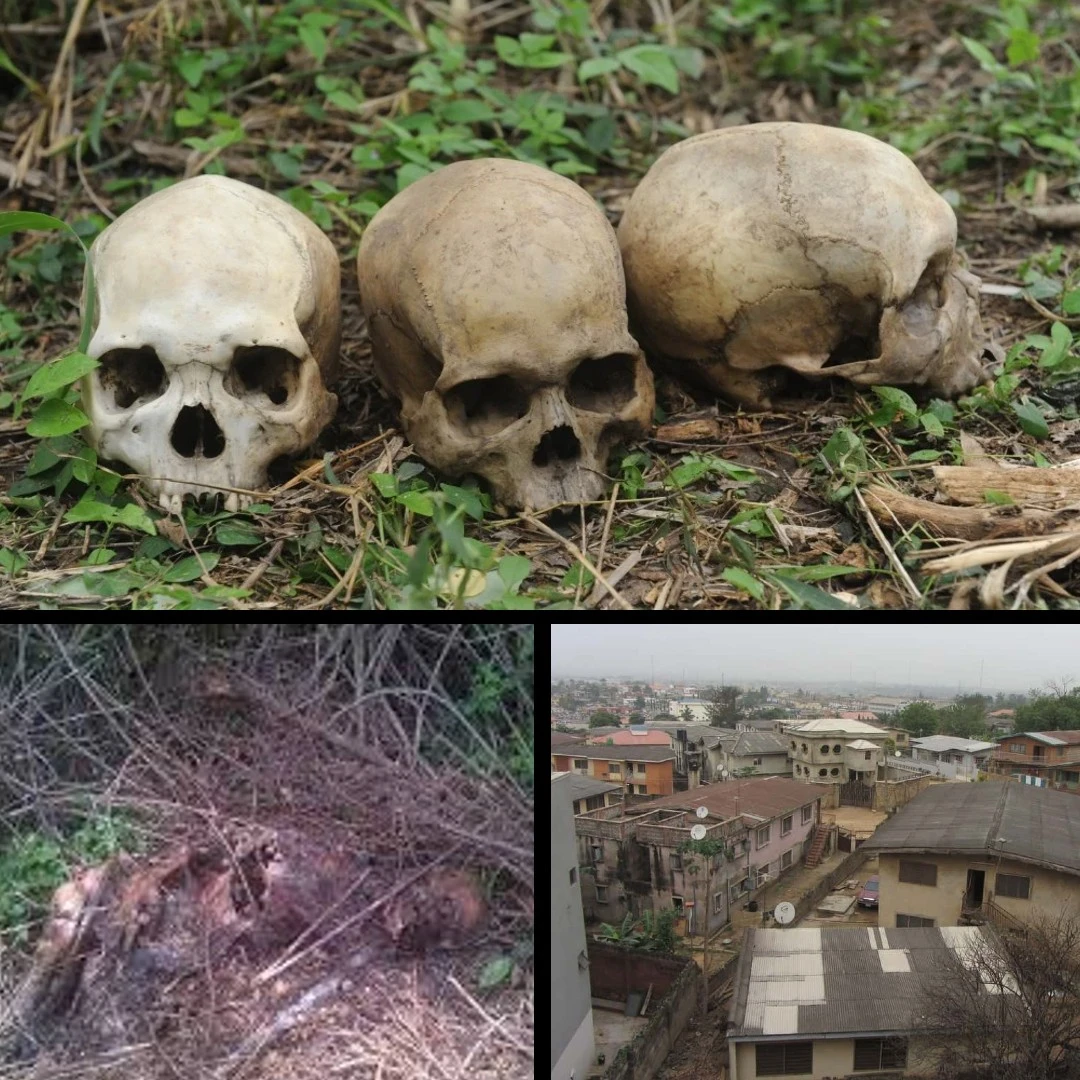
Investigations revealed that the site had long been used as a center for horrific crimes. Criminal gangs lured victims into the forest, killed them, and harvested body parts. These parts were then sold to witch doctors, who some believed could use human organs in black magic rituals to bring wealth, luck, or power.
The case sparked outrage among local residents, especially after it emerged that earlier warnings from the community about suspicious activity in the area had been largely ignored by authorities. Protests erupted, demanding continued searches of the forest out of fear that more victims might still be undiscovered.
As for Kazim, the man whose disappearance started the search, he was not among those rescued. Investigators concluded that he had likely become one of the victims whose lives ended in these dark rituals, turning his story into a tragic symbol of one of the most superstition-driven crimes in modern Nigeria.
2- The Death Farm in Mexico
In the spring of 1989, American student Mark Kilroy vanished while on a trip with friends to Matamoros, a city on the border between Mexico and the United States. The 21-year-old University of Texas student had gone there for a weekend getaway, like many students who cross the border to enjoy the nightlife. But the trip ended in tragedy when he suddenly disappeared from a crowded street after being approached and forcibly taken by a group of men.
Kilroy’s disappearance drew widespread attention, especially after U.S. authorities pressured Mexican police to intensify the search. Weeks of investigation led to an abandoned ranch known as Rancho Santa Elena, located in a rural area on the outskirts of Matamoros. When police raided the property, they uncovered a chilling scene that revealed one of the most bizarre crimes in the region’s history.
On the ranch grounds, investigators found a large pit filled with human remains and scattered bones. Inside one of the buildings, they discovered a massive iron cauldron used in magical rituals, along with mysterious religious symbols and various ritual items. The cauldron contained a shocking mix of bones, blood, and animal remains, which investigators saw as evidence of occult practices.
It soon became clear that the ranch was the headquarters of a cult led by a man named Adolfo Constanzo, who combined the roles of sorcerer and secretive cult leader. Constanzo blended Afro-Caribbean religious beliefs known as Palo Mayombe with satanic rituals and magical incantations, claiming he could grant his followers supernatural powers and protection from harm.
Some of his followers were drug traffickers looking for a way to make themselves 'bulletproof' or evade the police. Constanzo convinced them that offering human sacrifices to the spirits would grant them this protection. Over time, the ranch became the site of terrifying rituals where victims were killed and parts of their bodies were used to prepare what was known as the nganga, a ritual cauldron believed by the cult to possess spiritual powers.
When the site was uncovered, several members of the group admitted that multiple people had been killed in these rituals over the previous years. The case sent shockwaves through both Mexico and the United States—not just because of the brutality of the crimes, but also because the cult had operated for years in secrecy, with no one realizing what was happening inside that remote ranch.
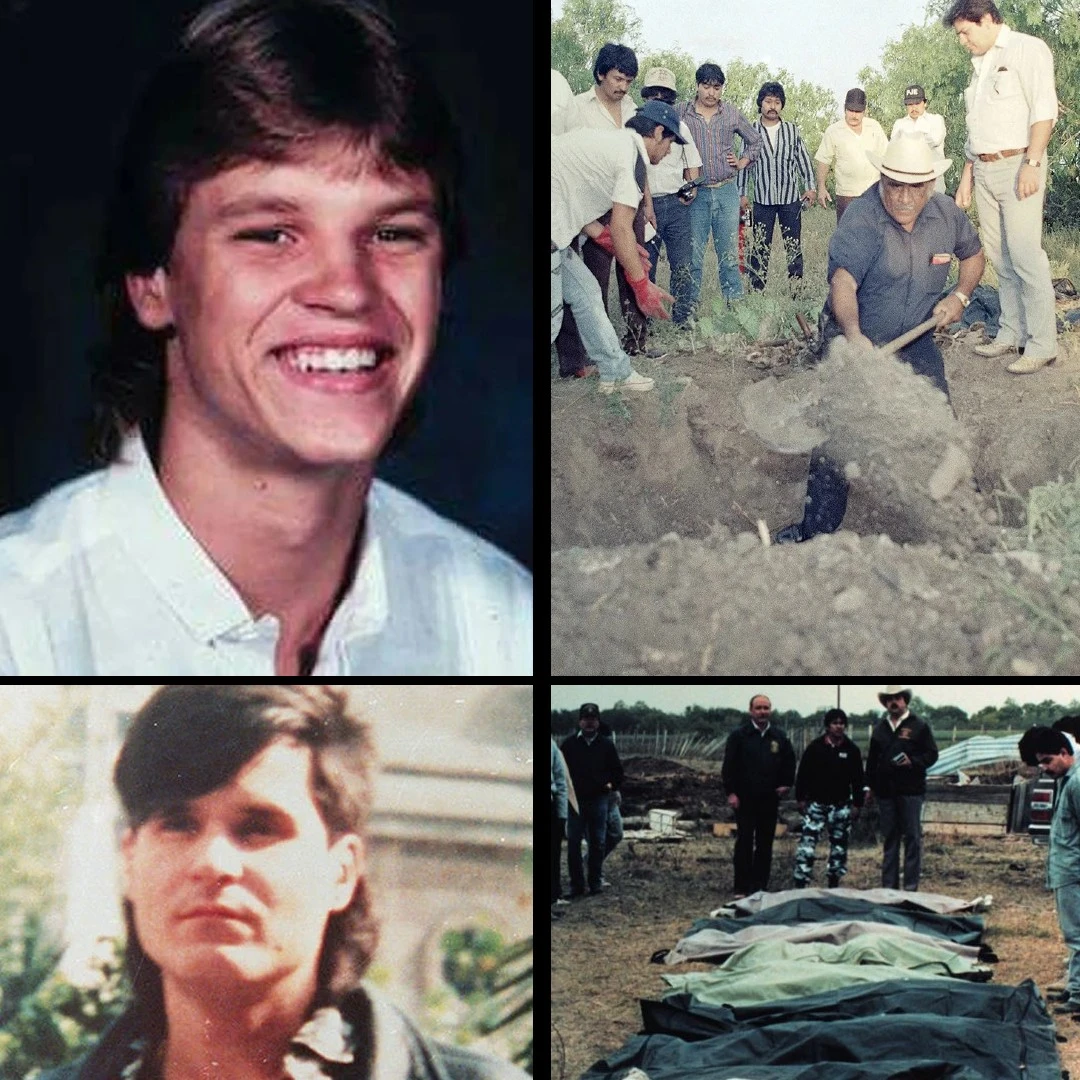
The case ended with a massive manhunt for Constanzo and his followers, turning the Matamoros incident into one of the most notorious modern examples of crimes committed under the guise of magic and human sacrifice. It became a real-life story where superstition, violence, and organized crime collided—every bit as chilling as the darkest legends.
3- The Dark Temples of Uganda
In rural areas of Uganda, the past two decades have seen a series of shocking cases linked to so-called human sacrifice in traditional witchcraft. The phenomenon first drew the attention of authorities when mysterious disappearances of children were reported in scattered villages especially in poor farming regions where folk beliefs about magic and appeasing spirits are widespread.
One case that captured public attention began when a child vanished from a small village without a trace. After days of searching, information led police to a remote cabin on the edge of the forest, known among locals as the haunt of a witch doctor. When police raided the site, they were met with a horrifying scene: human skulls buried around the cabin, body parts preserved in ritual containers, and knives and tools used for slaughter.
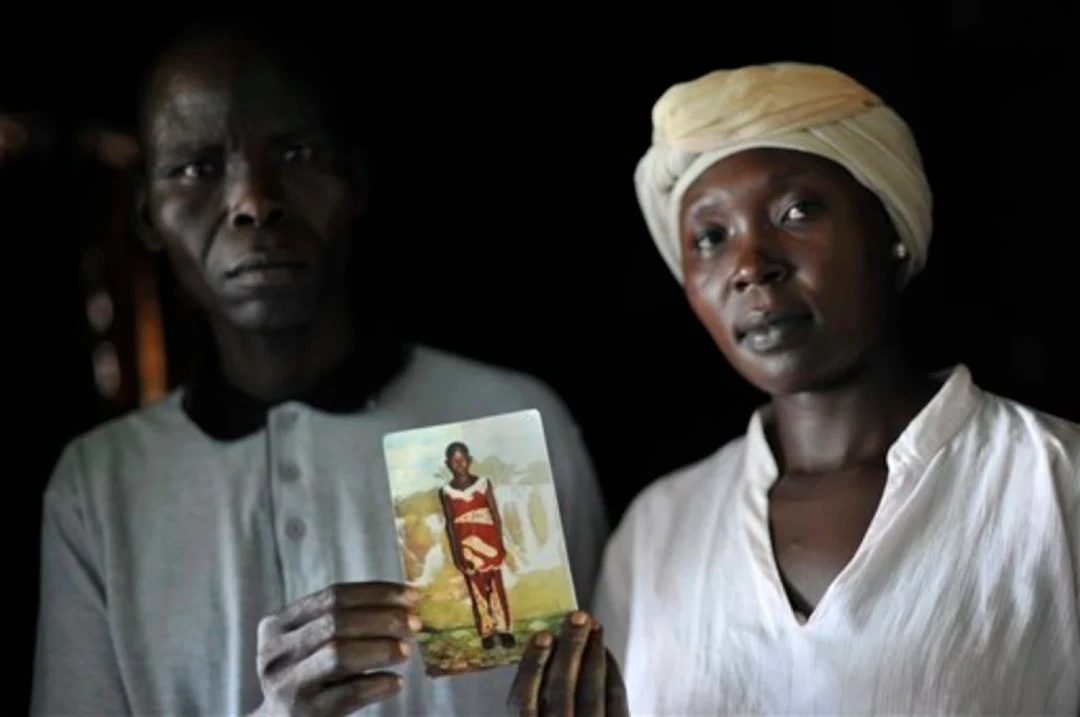
Investigations revealed that some people turned to witch doctors seeking quick wealth or business success. In a society plagued by poverty and economic instability, many found themselves vulnerable to the mysterious promises made by these practitioners. The witch doctors convinced their clients that spirits or hidden forces would only grant their wishes after a human sacrifice, often a child, as they believed children possessed a stronger 'life force.'
Further investigations showed that these crimes were not always the work of individuals; sometimes, they were linked to small networks of collaborators who kidnapped victims or transported them to ritual sites. In some cases, bodies were dismembered and parts used in ceremonies believed to bring luck or wealth.
These incidents sent shockwaves through Ugandan society, especially when reports revealed that the number of missing children in some years was higher than previously thought. Under mounting public pressure, the government launched major campaigns to combat what became known as ritual and human sacrifice crimes, and police arrested several witch doctors and others involved in these practices.
Despite these efforts, investigations revealed that the problem ran deeper than isolated crimes. In some areas, belief in the power of magic to change fate or bring riches was widespread. These cases became a tragic example of what can happen when poverty, superstition, and greed combine, driving some to offer the most precious thing imaginable: the life of an innocent person in exchange for an empty promise of wealth or power.
4- The 'Ripper Crew' Gang in Chicago
In the early 1980s, Chicago was rocked by one of the most terrifying criminal cases in its modern history, when police uncovered a series of gruesome murders linked to a small gang later known as 'The Ripper Crew.' The group consisted mainly of four young men led by Robin Gecht, and their crimes became a shocking example of pathological violence mixed with satanic ideas and bizarre rituals.
The case began when several women disappeared from different areas of Chicago and its suburbs in 1981 and 1982. At first, authorities suspected isolated murders or assaults, but over time, disturbing similarities emerged. Some victims were found brutally assaulted and deliberately mutilated, leading investigators to realize they were dealing with an organized gang rather than a lone killer.
The group's leader, Robin Gecht, worked for a construction company, but also claimed to practice satanic rituals and sought to appease dark forces through acts of violence with his followers. During investigations, some gang members later revealed that they would gather in secluded places to perform strange rituals before committing their crimes, believing these acts gave them power or control.
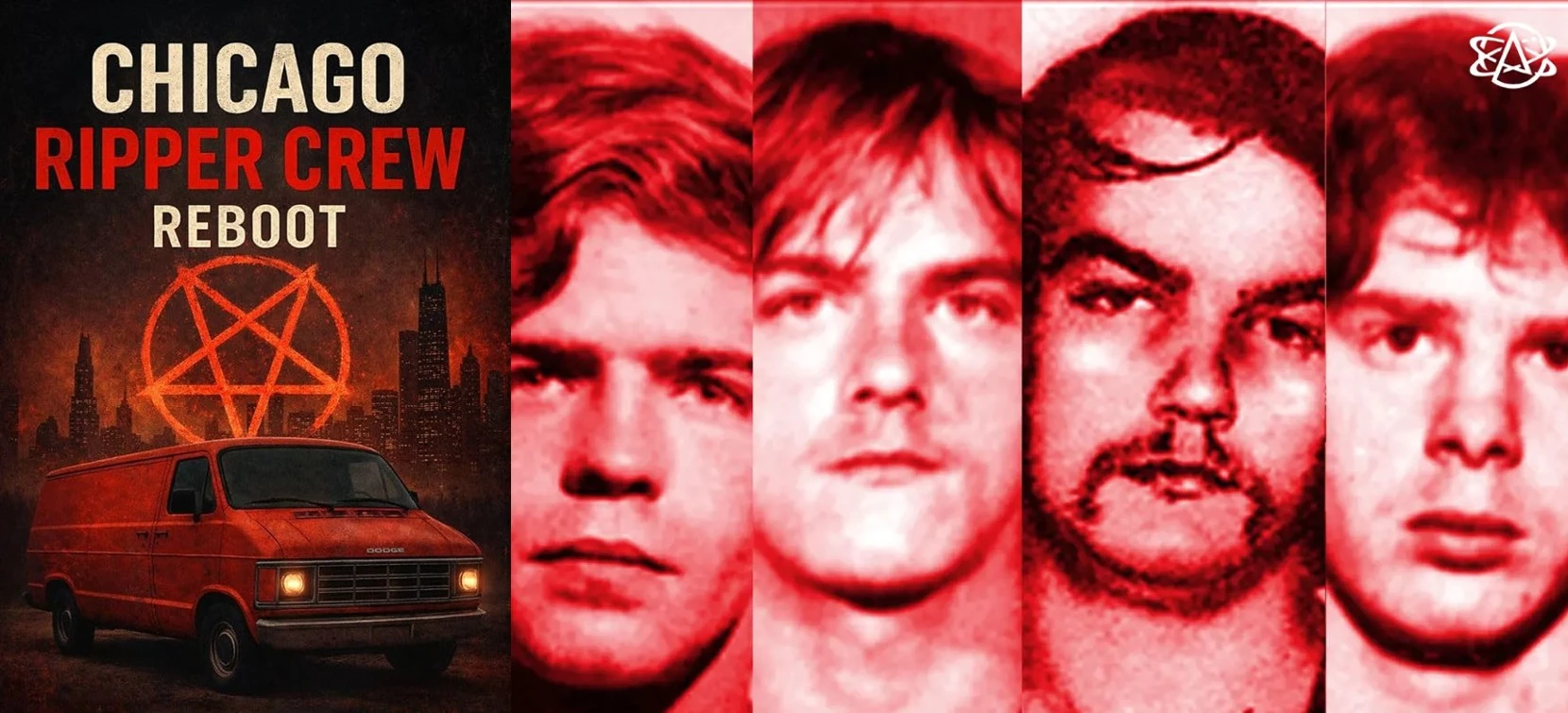
The gang typically targeted women by luring them to abandoned locations or empty apartments, where the encounters turned into group assaults that sometimes ended in murder. One victim was found alive despite severe injuries, and her testimony later became crucial in helping police identify the perpetrators.
As the investigation widened, police managed to track down and arrest the gang members one by one. Interrogations revealed shocking details about the nature of the crimes and the rituals Gecht claimed to perform. The case caused widespread panic in American society at the time, exposing a dark side of violence fueled by satanic beliefs and an obsession with power and control.
The case ended with the gang members being tried and sentenced to long prison terms, while their leader was considered one of the most dangerous criminals in Chicago's history. Over time, the story of 'The Ripper Crew' became one of the most infamous criminal cases associated with satanic rituals and extreme violence, serving as a chilling example of how obsession with dark ideas can lead to unimaginable brutality.
5- The Devil's House in London
In the late 1980s and early 1990s, Britain experienced a wave of public anxiety over what the media dubbed Satanic Ritual Abuse. Police and social services began receiving strange reports about secret groups performing satanic rituals in abandoned locations, with some claims involving harm to people or animals as part of symbolic ceremonies.
In one case that drew significant media attention, police raided an abandoned house in a London neighborhood after repeated complaints from residents about suspicious nighttime gatherings and mysterious noises. Upon entering, investigators found the place transformed into a makeshift ritual temple.
The floors and walls were covered in mysterious symbols, most notably large pentagrams drawn in dark, blood-like substances. In one room, police found a small wooden altar surrounded by black candles and metal bowls containing burnt remnants. They also discovered remains of slaughtered animals, books with ritual texts, and tapes featuring strange chants.
Although the investigation found no evidence of human murder at the site, the evidence clearly indicated that a group had been gathering there to perform rituals associated with black magic or satan worship. These discoveries sparked widespread debate in British society, especially as similar stories emerged during that period.
Later, opinions were divided about the extent of the phenomenon. While some researchers believed that much of the public panic was exaggerated, police reports confirmed that some small groups were indeed practicing real satanic rituals, though these were often symbolic or so secretive that they were difficult to track.
Over time, the abandoned house became known among locals as the 'Devil’s House'—a name that captured both the fear and curiosity the case sparked in the city’s collective memory. For years, the building stood as a symbol of a mysterious chapter in modern London’s history, where urban legends collided with criminal investigations into the world of dark rituals.
Legends of Magic and Bloody Reality
Despite the differences in countries and cultures where these crimes have occurred, they share a clear common thread: the belief that supernatural forces can be appeased with human blood. In these practices, people are reduced to mere tools for achieving material goals like wealth, power, or protection.
From a scientific perspective, there’s no evidence that such rituals deliver on the promises made by their practitioners. Yet they persist, fueled by fear, greed, and desperation—emotions that can drive some to believe any promise of salvation or riches.
These stories stand as a stark reminder of one of humanity’s darkest tendencies: when blind faith in superstition meets crime, so-called magic turns into real tragedy, with innocent people paying the price with their bodies and lives.
About the Author