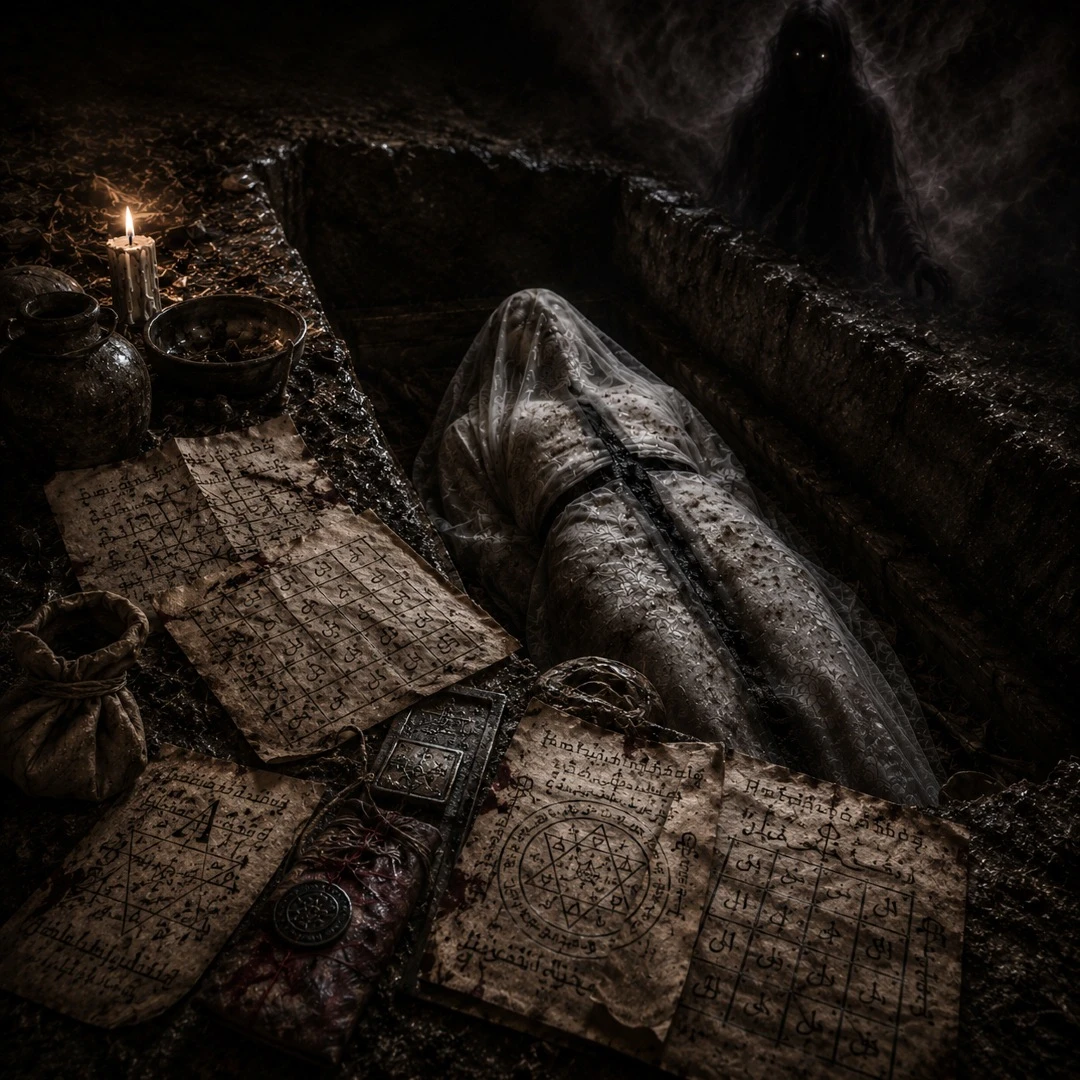
Cemeteries have long been shrouded in mystery and fear, often seen as gateways to the unknown. Throughout history, they have served as the backdrop for countless beliefs and rituals linked to magic, spirit summoning, and supernatural beings. Many of these practices still echo in folklore and personal stories today, and sometimes even surface in criminal investigations involving grave robbing or the discovery of buried amulets and talismans.
It's important to clarify from the outset that this article does not aim to teach or encourage any form of magic, nor to validate the claims associated with it. Most major religions, especially Islam, strictly prohibit magic and warn against violating the sanctity of the dead or desecrating graves, considering such acts to be serious moral and religious transgressions.
The purpose here is to explore this phenomenon from a historical and anthropological perspective to understand how these beliefs emerged, why different civilizations linked corpses and graves to hidden forces, and how these ideas have been passed down through the centuries to become part of folklore, legends, and dark narratives.
From skulls to grave soil: Why did entire civilizations believe that the remains of the dead held powers the living did not?
When death becomes a tool for magic
On a night in the Middle Ages, a man carrying a dim lantern slips into a cemetery outside the city walls. He isn't there to bury the dead or visit a loved one—he's searching for a freshly dug grave. At the time, it was widely believed that a soul lingered near its body for a short while after death, offering a rare chance to connect with another world or summon hidden forces capable of fulfilling human desires.
This scene might sound like something out of a horror film, but it reflects beliefs and rituals that developed, sometimes independently in civilizations as far-flung as ancient Egypt, Greece, Rome, medieval Europe, and in certain African and Indian traditions.
But the most intriguing question remains:
Why have corpses and bones, more than anything else, been so closely associated with dark magic, spirit summoning, demons, and supernatural beings?
When death is not the end
Nearly all ancient civilizations shared a core belief: death was not a complete disappearance, but a transition from one world to another. This gave rise to the idea that the body retained significance even after life ended, holding onto a trace, a presence, or a connection to the spirit world. British anthropologist James Frazer described this as the 'Law of Contagion,' a principle of sympathetic magic stating that objects associated with a person continue to carry some of their influence even after separation. That's why rituals often used hair, nails, teeth, blood, clothing, bones, and skulls. Since the body itself was seen as the final vessel of the soul, cemeteries became imagined as places where two worlds touched.
The cemetery: a boundary between the living and the dead
A cemetery was never just a burial ground. In many cultures, it was considered a transitional zone belonging neither fully to the world of the living nor the dead. This made it the focus of numerous rituals, as people believed spirits were more present there and that unseen forces found it an ideal place to appear. According to old stories, magicians and sorcerers weren't always after bodies themselves, but rather the places where the dead rested. The sense of awe and fear became part of the ritual.
Ancient Egypt: Respect for the dead, not exploitation
Despite what popular culture suggests, there is no historical evidence that the ancient Egyptians practiced magic involving corpses in the way black magic is commonly understood. On the contrary, the body was essential for existence in the afterlife, which is why they invested so much in mummification and protecting tombs. Defiling a grave or damaging a mummy was considered a religious crime before it was a moral one. Ironically, this changed thousands of years later.
Between the 16th and 19th centuries in Europe, Egyptian mummies became a commodity sold in markets. They were ground into a powder called 'Mumia,' believed to cure illnesses and grant strength, and were even used in magical and medical recipes. Thus, the remains that Egyptians preserved out of respect became a traded material elsewhere, driven by medicine, magic, or superstition.
Greece and Rome: The birth of necromancy
To trace the true origins of what is known as necromancy, we need to look to the ancient Greek and Roman worlds. Necromancers believed that the spirit of the dead could be summoned to answer questions, reveal the future, or help achieve specific goals. The Greek Magical Papyri contain texts describing rituals performed near graves or at sites of battles and executions, based on the belief that spirits were closer to the world of the living in such places.
Interestingly, many of these texts focused not on the corpse itself, but on the grave as a point of contact between the living and the dead.
The Witch of Endor
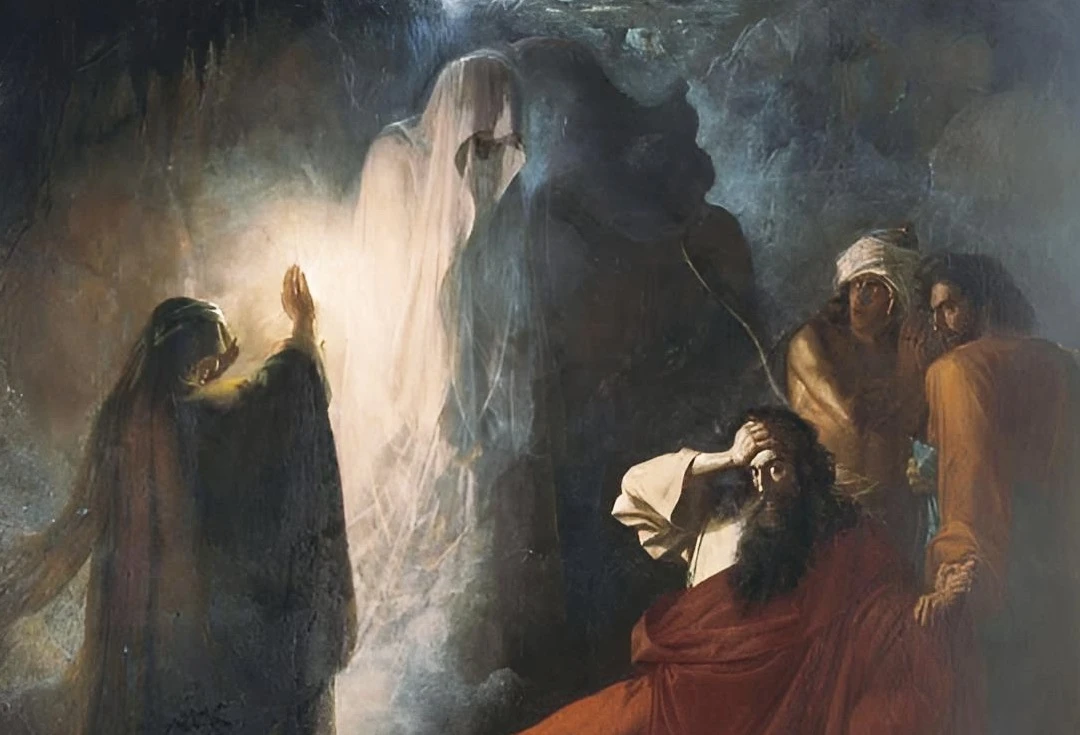
One of the most famous religious stories involving the summoning of the dead is the tale of the Witch of Endor in the First Book of Samuel. According to the account, King Saul, desperate for guidance after receiving no answers from the prophets, sought out a woman known for her ability to summon spirits and asked her to call forth the spirit of the prophet Samuel. Whether interpreted as a miracle, deception, or a unique event allowed by divine will, this story became the most well-known reference for the idea of communicating with the dead. However, the text itself condemns the practice, viewing it as a clear violation of religious law.
The Middle Ages: When Demons Entered the Scene
With the spread of Christianity across Europe, interpretations of these phenomena changed. Summoned spirits were no longer necessarily seen as the souls of the dead; instead, it became widely believed that demons could impersonate the dead to deceive people. This led to a new concept: rather than summoning a human spirit, magic was now seen as an attempt to interact with demonic beings.
Latin grimoires such as the Munich Manual of Demonic Magic and the Sworn Book of Honorius often mention performing rituals in cemeteries or near human remains. This wasn't because bones were believed to have inherent power, but rather because these places were thought to be closer to the underworld and more likely to attract unseen entities, according to the beliefs of that era.
Why skulls, specifically?
If you look at depictions of witches and sorcerers throughout history, skulls are almost always present. Contrary to popular belief, this isn't about worshipping death. In many cultures, the skull was seen as the seat of the mind, the core of identity, and the last part of a person to remain after the body decays. Some believed it retained a trace of consciousness or personality. Interestingly, skulls weren't exclusive to magical practices, churches kept the skulls of certain saints as sacred relics, and monks would meditate on skulls as a reminder of mortality. For some practitioners of magic, the skull became a symbol for communicating with the otherworld.
The same object, completely different meanings.
Voodoo
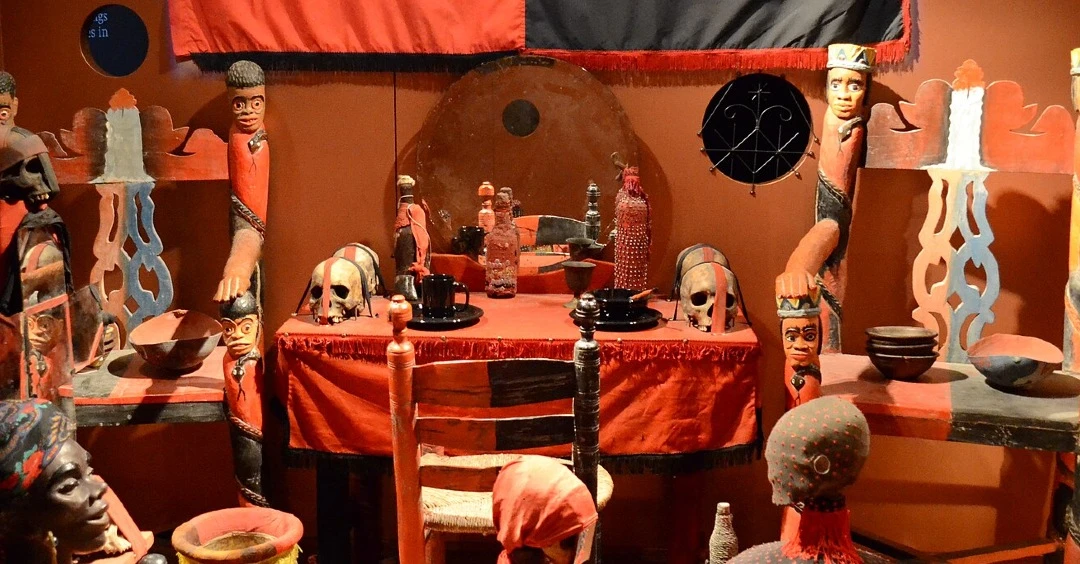
Voodoo is a religion with African roots that blends local beliefs with Christian influences. At its core, it doesn't revolve around death or demons. However, some Afro-Caribbean traditions, like certain branches of Palo Mayombe, are known for using graveyard soil or human bones in ritual vessels called Nganga. According to these beliefs, the vessel becomes a home for a spirit that assists the practitioner with specific tasks. These practices have sometimes led to documented cases of grave robbing, drawing the attention of both police and researchers. Still, it's important to note that such practices are limited to specific, often controversial, groups and shouldn't be seen as representative of all followers of these religions or traditions.
When magic is buried with the dead
One of the most widespread beliefs in traditions of dark magic whether in Europe, the Middle East, or parts of Africa—is that a spell becomes more powerful if it's buried with a corpse, near a grave, or within human remains. The goal, according to these beliefs, wasn't to harm the deceased, but to tap into what was thought to be the transitional energy of the cemetery or the presence of spirits and unseen beings in places of death. Historical sources and criminal investigations have described finding:
- Amulets wrapped in cloth bags and buried in cemeteries.
- Lead tablets inscribed with names and curses, known in the Greek and Roman world as 'curse tablets' (Defixiones), which were buried in graves, wells, or other places believed to be gateways to the underworld.
- Papers or scrolls covered in symbols and incantations, placed inside coffins or between grave stones.
In various folk stories, there are accounts of amulets or written charms being hidden inside a corpse's mouth or between its burial shrouds, based on the belief that the dead would deliver the message to the spirit world, or that as long as the body remained buried, the spell's effect would persist.
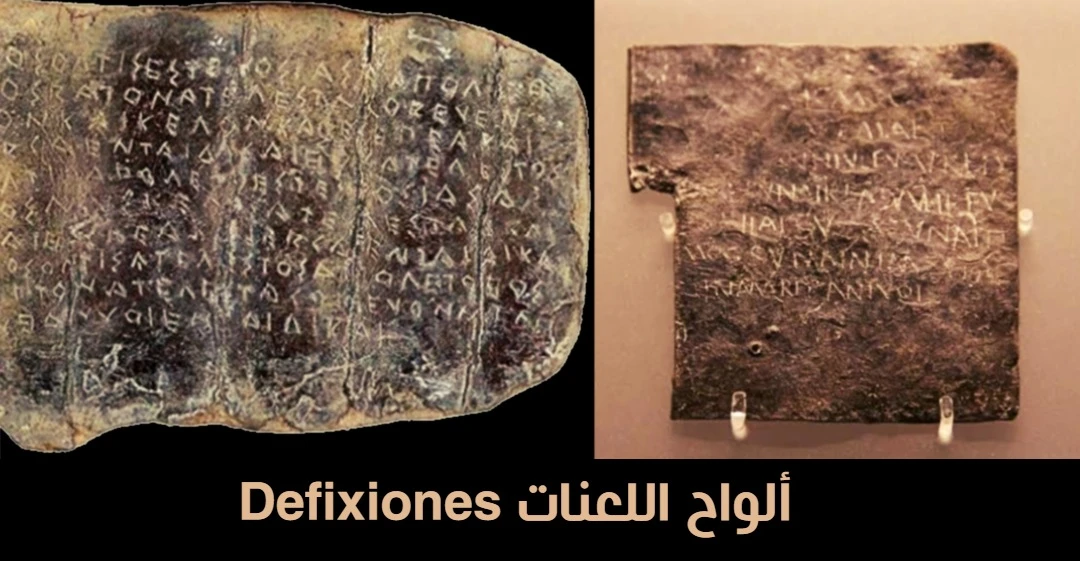
What has been most commonly found are curse tablets—thin sheets of lead inscribed with names and requests addressed to underworld deities or the spirits of the dead, then buried near graves in the hope that the message would reach the powers of the other side.
This idea, in various forms, also made its way into some folk magic traditions in the Middle East and North Africa, where it became common to believe that burying amulets or charms in cemeteries made them 'unbreakable,' and that only removing them from the ground could end their effect. While these beliefs have no scientific basis, they've remained a part of local folklore passed down through generations.
It's notable that police in several countries still occasionally discover charms buried in cemeteries or at their entrances, or inside clay pots containing written papers, candles, and organic materials. While investigations treat these as remnants of folk practices or rituals associated with magic, there's no evidence that these rituals have any supernatural power. What they do show is that the belief in cemeteries as places to 'preserve magic' is still alive for some people today.
Algerian cemeteries: Talismans beneath the soil
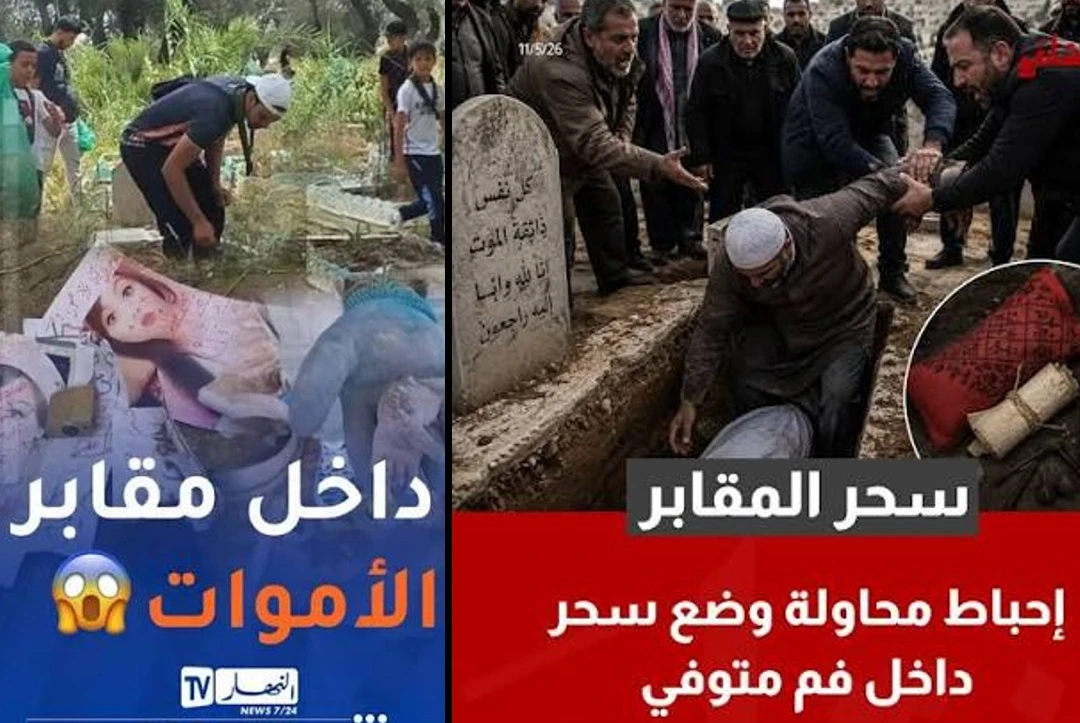
During volunteer clean-up campaigns at cemeteries in several Algerian provinces, participants found charms, amulets, and papers covered in symbols and incantations, along with photos, locks, and small bags buried among the graves. These discoveries reignited debate over the popular belief that burying a 'spell' in a cemetery helps anchor and prolong its effect, highlighting the persistence of these beliefs and the ongoing desecration of graves.
Jinn, demons, or ancestral spirits?
It's interesting to note that the entity believed to respond to these rituals varies across cultures: in Europe, they're called 'demons'; in the Arab world and Islamic societies, they're known as 'jinn'; in Africa, they're referred to as 'ancestral spirits'; and in India, they're described as beings like 'preta' and 'pishacha'.
Yet the core idea remains the same: places associated with death are thought to attract invisible beings that people try to communicate with, appease, or even benefit from. There's no independent evidence to support this belief, but it has persisted for centuries in many forms, taking on the language, symbols, and religious context of each society.
Why have these beliefs endured?
If these ideas were nothing more than simple superstitions, they would have faded away long ago. Instead, they've remained alive in literature, film, folklore, and even some modern criminal cases. Perhaps this is because death itself is still humanity's greatest mystery. When the mind can't comprehend what happens after the end, it's easy to imagine a hidden door that can be opened—and for many, the cemetery has represented that door.
In the end, science has yet to prove that bones, skulls, or cemetery soil attract jinn, demons, or grant anyone supernatural powers. Still, the persistence of these beliefs in civilizations with no shared history, language, or religion raises a question that's hard to ignore:
Have people everywhere been weaving the same illusion for thousands of years, or is the awe of death itself enough to make them see, at the edge of the graveyard, what they see nowhere else?
About the Author