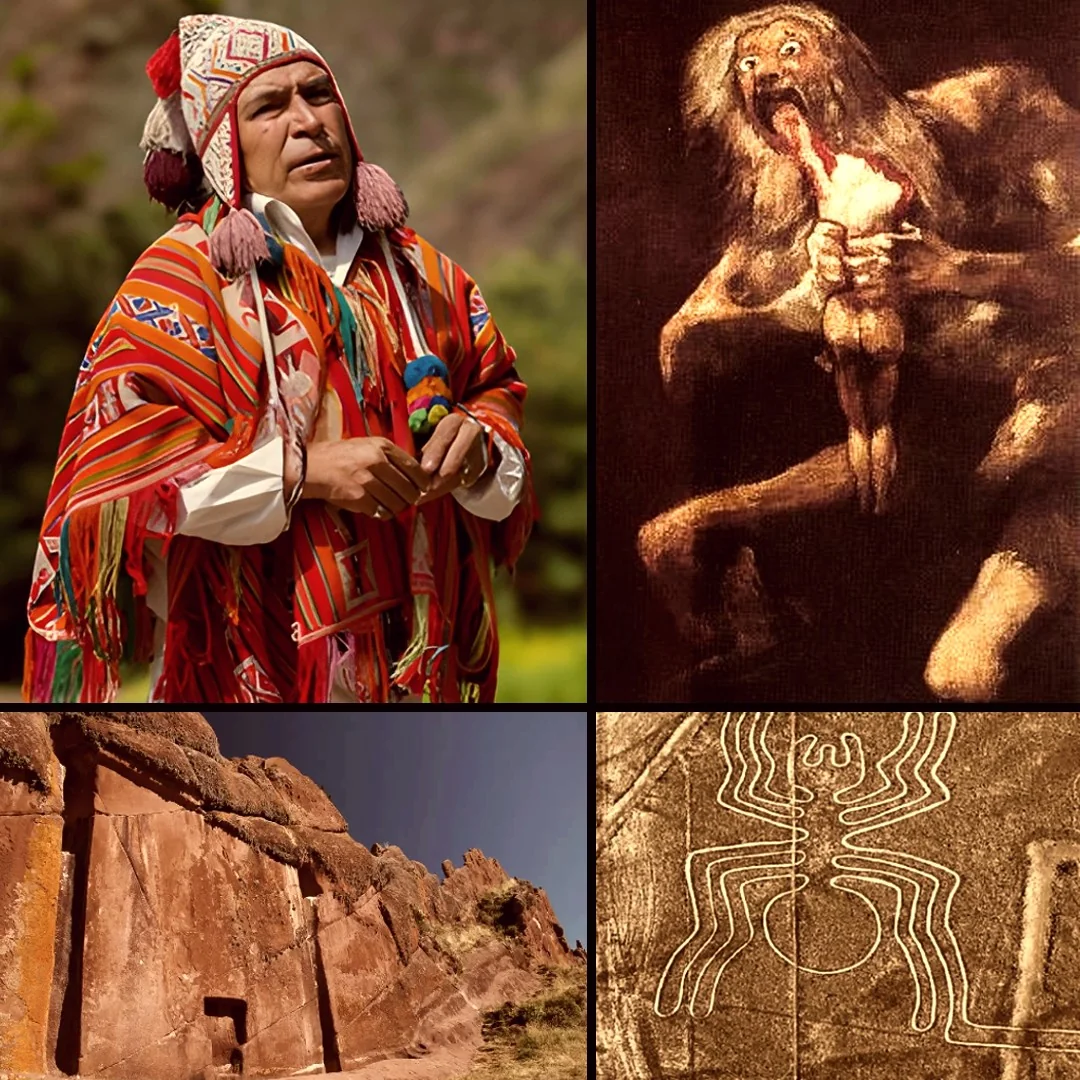
Deep in South America, where the majestic Andes stretch across the land and the rainforests breathe like the earth’s hidden lungs, lies Peru, a country known not only for the remnants of the Inca civilization, but also as a gateway to the supernatural. Here, legends are alive and ancient rituals continue as if time itself has stood still.
In this land, mountains aren’t just stone, they’re living spirits. Lakes aren’t simply still waters, but portals to the divine. In Peru, the line between nature and the sacred blurs, between what we see and what we feel.
Legendary Beings
Peruvian folklore, a blend of pre-Columbian cultures and Catholic beliefs is rich with mythical creatures and spiritual entities that still inspire awe and fear:
Pishtaco
A sinister figure said to prey on people to harvest their body fat, Pishtaco is often seen as a metaphor for European colonizers or corporate exploitation. Even today, rural communities fear this entity, with stories of nighttime attacks on travelers persisting.
Apu
These are the mountain spirits—each major peak is believed to have its own guardian spirit that must be appeased with offerings and prayers. Indigenous people in the Andes still present tobacco, alcohol, and coca leaves to these spirits, seeking rain, health, or forgiveness.
Yacumama
A legendary water serpent said to stretch hundreds of meters, Yacumama inhabits Amazonian rivers and is considered the protector of the waters. Its roar is believed to silence the jungle, and it is said to drown anyone who pollutes the rivers.
Supay
In Andean beliefs, Supay is the spirit of the underworld, later associated with the devil in Catholicism. Supay still appears in local festivals, depicted in fearsome costumes, symbolizing the fusion of indigenous and religious traditions.
Shamanism and Paranormal Rituals
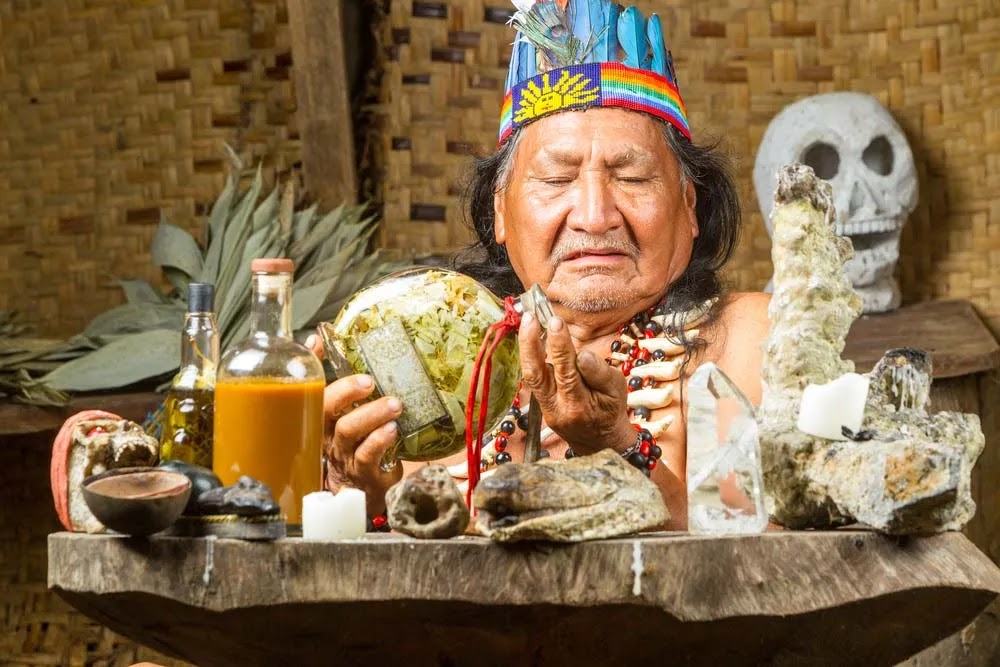 Despite centuries of Spanish conquest and Christianization, shamanism remains a vibrant part of Peruvian spirituality, especially in the Andes and the Amazon.
Ayahuasca Rituals
Ayahuasca is a powerful hallucinogenic brew used to open the 'vision gate.' Participants claim to see spirits and connect with the universe during ceremonies led by shamans deep in the jungle. Many report profound spiritual transformations or encounters with 'shadow entities.' The rise of spiritual tourism has brought global attention to this experience.
Kambo
A potent toxin extracted from an Amazonian frog is burned onto the skin as part of a purification ritual. It's believed to expel both physical and spiritual toxins, but the process is extremely painful and is used as part of healing or visionary journeys.
Offerings to the Earth
Symbolic offerings are made to Mother Earth, Pachamama: coca leaves, small animals, and even bread are buried or burned as a gesture of gratitude to nature. These rituals are still naturally and reverently practiced in rural villages.
Legends of Ancient Civilizations
The Inca
They believed the sun (Inti), the earth (Pachamama), and the stars were conscious beings. Their worldview included an upper, lower, and middle world, and the souls of the dead were preserved in their 'mummified kings.' Mountains were sacred, and making offerings was a common spiritual practice.
Chavín and Paracas
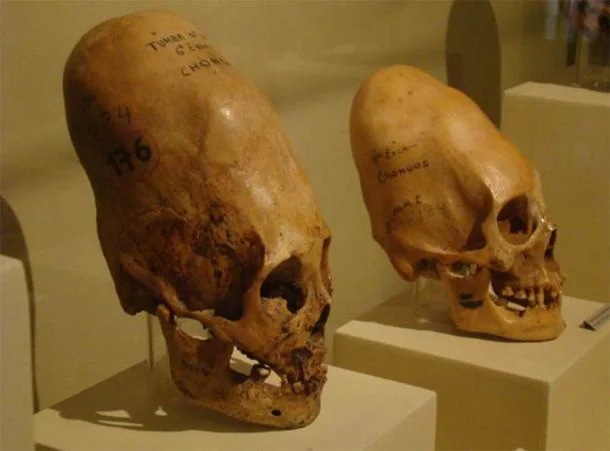
Some of their temples and passageways, such as the Chavín de Huantar temple, were constructed as spiritual labyrinths designed to guide visitors through extraordinary perceptual experiences, resembling a journey into the spirit world.
Nazca
Famous for The Nazca Lines, These giant geoglyphs, carved into the earth and only visible from the air, depict figures like monkeys, spiders, and birds. Their purpose remains a mystery: were they messages to the gods, astronomical markers, or energy portals?
Places Still Shrouded in Mystery
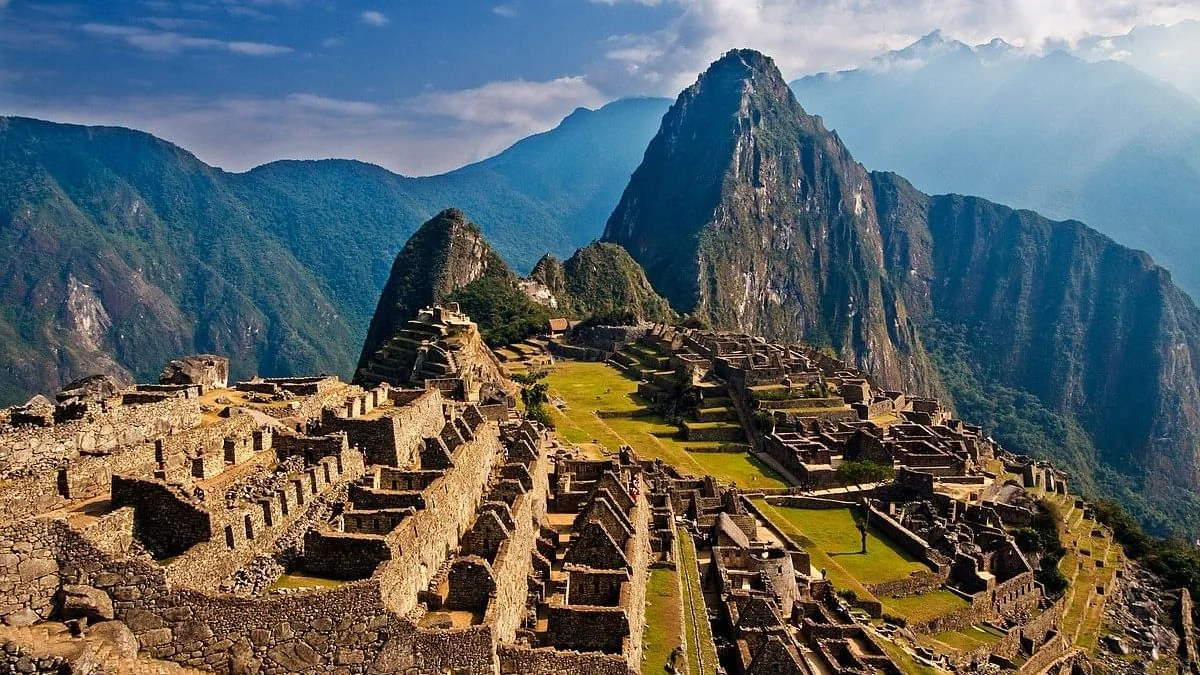
Machu Picchu
The lost city was built on a remote mountain site that's difficult to reach, and is said to have been a center for spiritual rituals. It still inspires awe in visitors, and some believe it once served as a gateway to the realm of the gods.
Lake Titicaca
The highest navigable lake in the world, Lake Titicaca is considered the birthplace of the first Inca kings. Legends say its waters conceal sunken cities and that mysterious sounds can be heard at night.
The Gate of the Gods (Aramu Muru)
Carved into a rocky mountainside near Lake Titicaca, this site is believed to be a portal between worlds, once used by ancient priests for spiritual or even physical journeys. Many visitors report visions, sudden headaches, or a strange sense of time distortion when approaching it.
The Supernatural in Everyday Peruvian Life
Despite the modern infrastructure of Peru’s major cities, supernatural beliefs remain woven into daily life:
- In rural villages, shamans are consulted before traveling, getting married, or buying land.
- Coca leaves are considered sacred, not just for drinking, but as an essential part of rituals.
- Blending Catholicism with shamanic traditions is common; it's not unusual to see statues of the Virgin Mary alongside symbols of Andean deities.
Why Does Peru Remain a Land of Mystery?
Peru is a rare example of myth and reality coexisting. It’s not just a country that tells stories about its past—it lives them in the present. Here, science mingles with magic, sacred rituals blend with medicine, and legend is part of national identity.
For Peruvians, spirituality isn’t separate from daily life—it’s an essential part of it. Perhaps that’s why visitors often feel an inexplicable sensation here, as if something ancient and profound has awakened within them.
About the Author