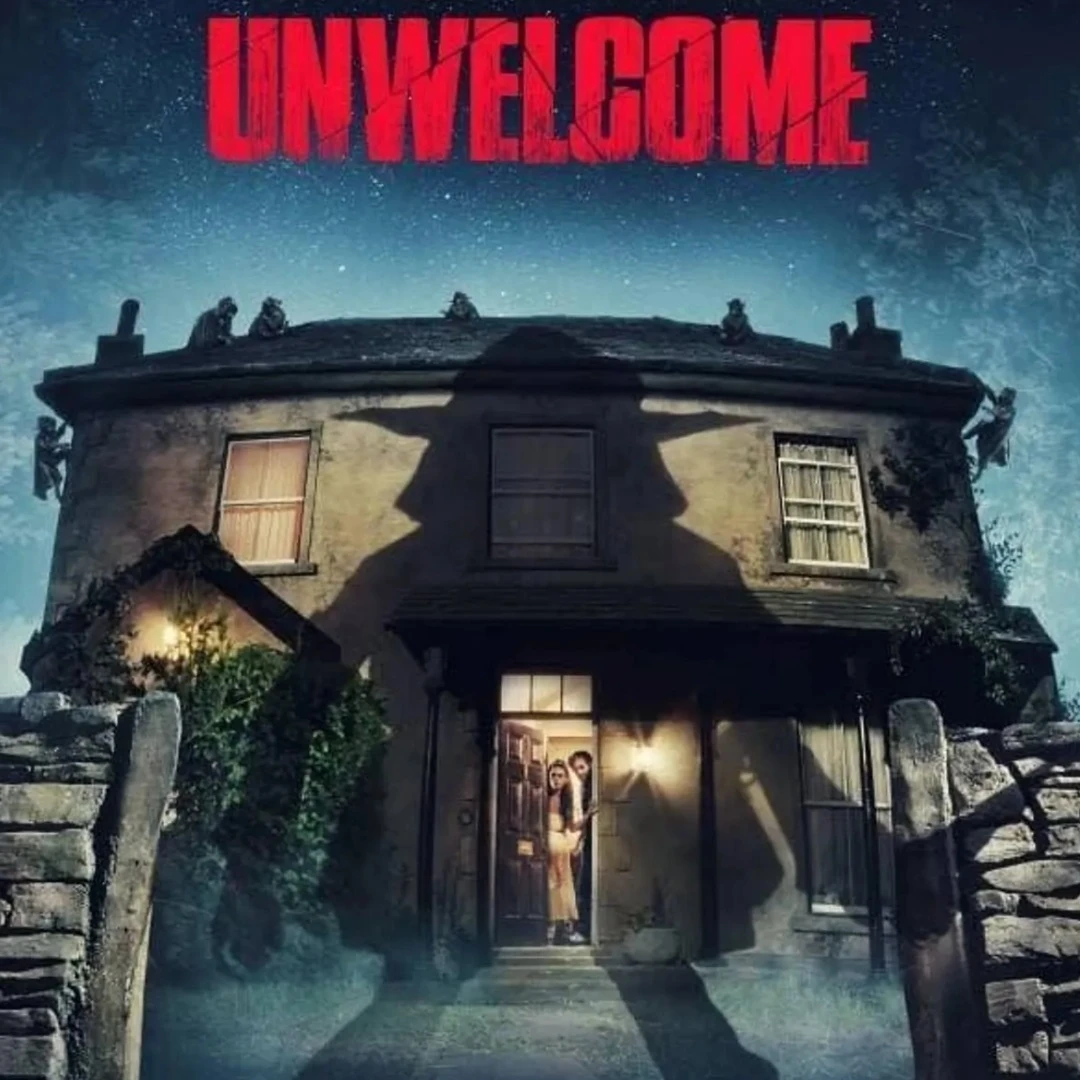
It's easy to laugh when someone tells you that hidden creatures need food left out for them every night. You can play along, then close your door, comforted by the thought that your walls separate you from superstition. But what if the real danger comes from people who can break through those walls? Would you still dismiss the story, or would you find yourself wishing the forest's inhabitants were real?
Unwelcome builds its story in the space between mocking the unknown and seeking its help. Drawing on unsettling elements of folklore, the film sets them against a very modern fear: being unable to protect your home and family, and realizing your survival may depend on a force whose demands are impossible to predict.
A new home doesn't erase fear
The story begins in London, where a couple's joy over a pregnancy turns into a nightmare after they're attacked in their own home. When Jamie inherits a house in the Irish countryside, the move seems like a promise of a quieter life.
But the house comes with a strange obligation: every night, a piece of liver must be left by the garden wall to appease the creatures living in the nearby woods. Maya treats it as a local superstition she can humor. Meanwhile, the couple hires the Whelan family to help with repairs, bringing new people into their lives whose presence grows increasingly threatening and aggressive.
The house soon becomes surrounded by two kinds of fear: a human threat that approaches in broad daylight, and a mysterious one lurking beyond the wall. The question of whether the creatures are real quickly shifts to a more urgent one: could they actually help?
Folklore, reimagined
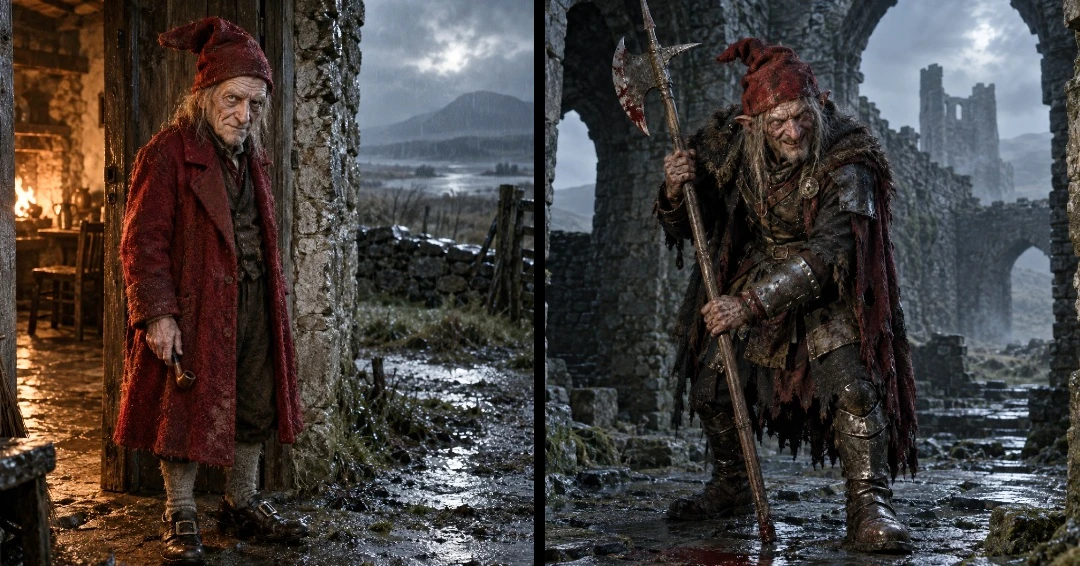
In our article on the Red Man and the Redcap, we see that while some folkloric creatures share similarities, their stories aren't identical. The Irish Fear Dearg, or Red Man, is known for his crimson clothes and terrifying pranks, and sometimes appears as a guest linked to prosperity. The Redcap, famous in English-Scottish border tales, haunts ruined castles and dyes his cap in the blood of his victims.
Unwelcome draws from this shared folklore, creating its own unique creatures. Director Jon Wright has said in interviews that the filmmakers rewrote the traditional stories, making the creatures embodiments of the film's themes. He noted that, unlike vampires or werewolves, these lesser-known beings gave him more creative freedom to reinvent them.
That's why the film's rules about food, help, and their price are unique to its world, rather than a faithful retelling of any single historical belief. Here, folklore provides characters and atmosphere, while the script rearranges them to build suspense.
From frightening pranks to violence for its own sake
In old stories, a supernatural creature might play tricks just to enjoy a human's fear. The film taps into this idea, giving its creatures a blend of cruelty and wicked humor.
Wright explained that the image of a creature dipping its cap in a victim's blood suggested a sense of pleasure and pride in violence. This makes the creatures more disturbing than a predator driven by hunger—they seem fully aware of the chaos they cause, and they enjoy it. The director described the film as a Grimm-style fairy tale for adults.
This approach explains the film's mix of horror and dark comedy. The creatures' oddness might make you smile, but their actions quickly turn that smile uneasy. It's as if the film lures viewers into underestimating them, just as its characters dismiss local legends.
The wall that marks the edge of safety
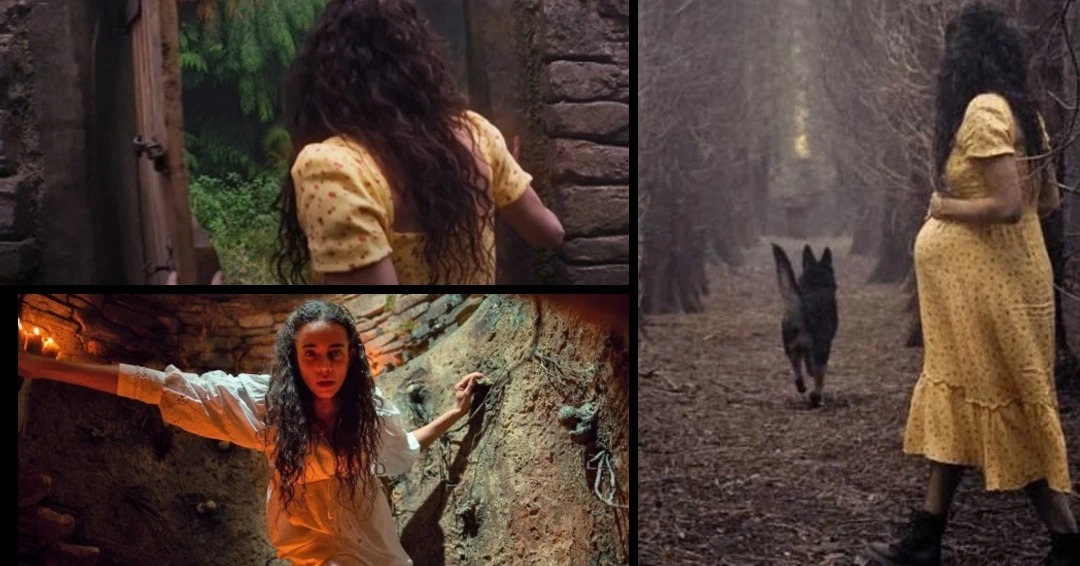
The garden wall can be seen as more than just a boundary separating the house from the forest. On one side lies the life the couple is trying to organize repairs, meals, preparing for a baby while on the other is a world whose language they don't understand, and whose promises or demands remain a mystery.
The act of leaving food takes on a dramatic significance in this chapter. It's a small, repeated gesture that maintains a relationship the newcomers never chose, yet they find themselves expected to uphold it. The house they've inherited comes with a history that goes far beyond simply owning its walls.
The story then flips the idea of safety on its head: it's the people entering the house who can make it frightening, while the forest, once something to avoid , suddenly becomes a possible refuge. This is where the title Unwelcome broadens in meaning: who is truly unwelcome? The newcomers, those who invade their privacy, or the creatures no one wants to admit live next door?
An old tale that speaks to a modern fear
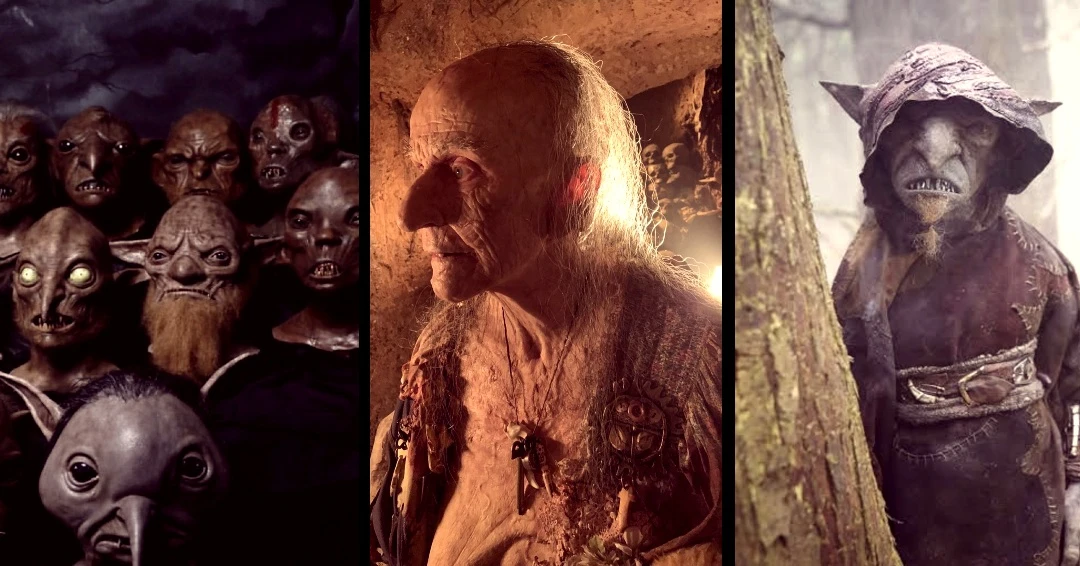
Unwelcome isn't a documentary about supernatural events, nor is it a systematic exploration of Irish beliefs. It's a work of fiction that uses folklore to make questions about home, family, and violence feel stranger and more intense. One of its key elements is that it doesn't separate human brutality from the supernatural; instead, each pushes the characters toward the other.
For some viewers, the mix of real-world violence, bizarre creatures, and dark humor might feel jarring. But this very blend serves the film's core idea: beneath the unbelievable story lies a fear everyone can recognize the need for protection you can't provide for yourself.
In the end, the film gives old legends a doorway into modern life. When you find yourself helpless in the face of a nearby threat, everything you've heard about the forest dwellers suddenly takes on new meaning. In that moment, you might wish the old stories were true until you remember that legends rarely offer escape without a price.
About the Author