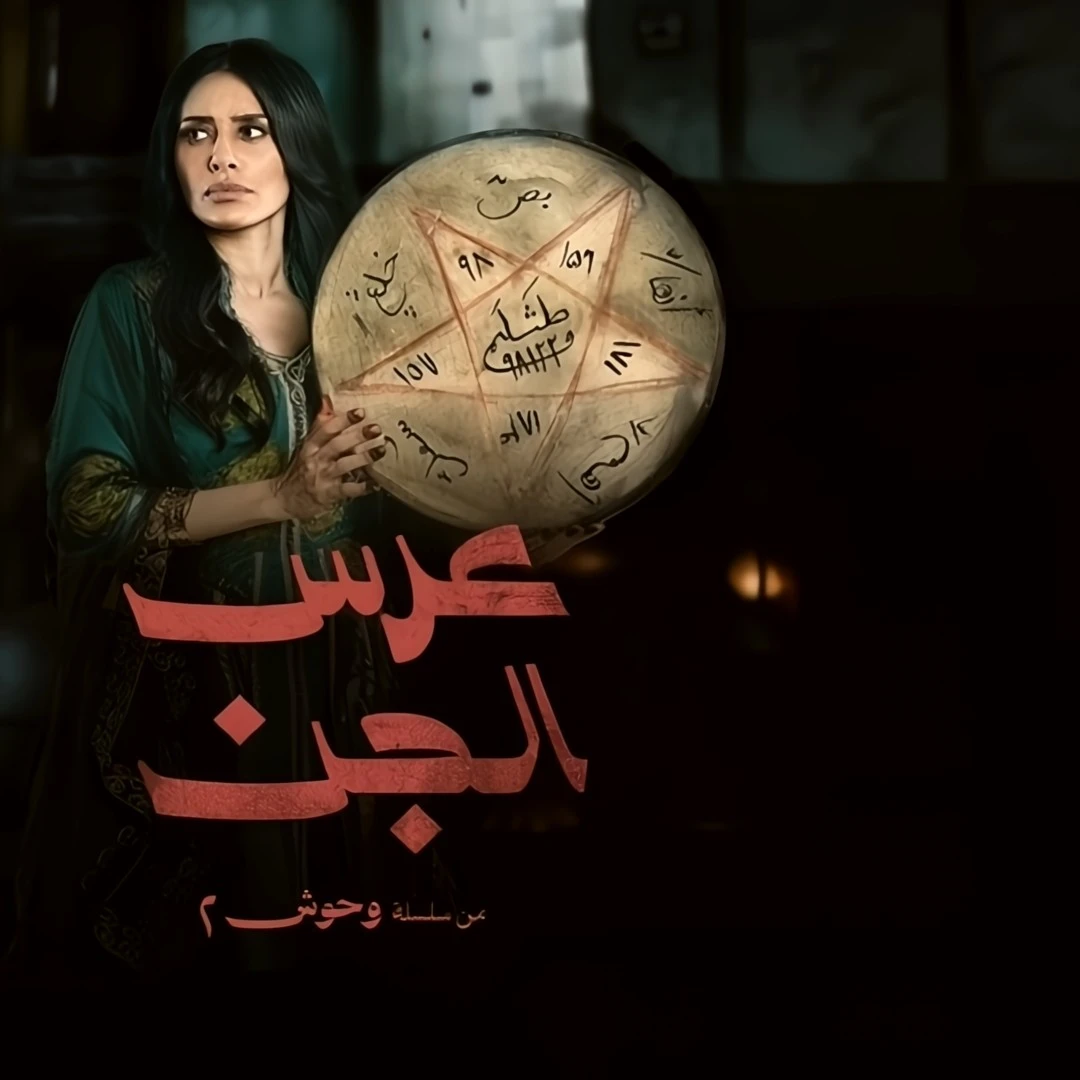
Every Ramadan season brings a flood of new TV dramas competing for viewers’ attention, but only a handful manage to capture the public’s imagination. In Ramadan 2026, the series 'The Jinn’s Wedding' stood out—not just as a fleeting horror story, but as a drama that revived one of the Gulf’s most famous urban legends.
Featured as part of the second season of the 'Monsters' anthology on the Shasha platform, the story is based on an incident said to have taken place in Kuwait in the late 1990s—specifically in 1997—when a popular wedding singer was invited to perform at a mysterious wedding, only to discover that the guests weren’t human.
The result is a show that blends psychological horror with local folklore, bringing back the sense of mystery that has long surrounded jinn stories in Gulf popular culture.
Series Synopsis
'The Jinn’s Wedding' centers on Noura, a well-known wedding singer (taqqaqa) in Kuwait during the 1990s.
One night, Noura and her band are invited to perform at a wedding in a remote area. At first, everything seems normal: a grand mansion, lavish decorations, and elegantly dressed guests. But soon, strange details begin to emerge.
Unintelligible voices, bizarre behavior from the guests, and then a chilling discovery: beneath some of the women’s dresses, there are hooves instead of human feet.
As the tension mounts, Noura realizes she hasn’t entered a wedding hall, but a feast for the jinn—and she and her band are unwelcome guests in a world that isn’t meant for humans.
According to the story that inspired the series, this night was the reason Noura suddenly quit music and disappeared from the public eye.
Ilham Ali Delivers a Career-Defining Performance
Saudi actress Ilham Ali carries almost the entire show with her portrayal of Noura. Her performance goes beyond the usual screams and jump scares of horror, focusing instead on the character’s psychological transformation—from the confidence of a seasoned performer, to suspicion, terror, and ultimately, collapse.
Some critics called the scene where she enters the abandoned mansion one of the most powerful moments in Gulf drama this Ramadan, with Ilham Ali’s performance so convincing that many viewers reported feeling genuinely anxious while watching.
The Legend of Taqqaqa Noura: Between Fact and Folklore
The series is inspired by a story that has circulated in Kuwait since the 1990s, popularly known as the tale of Taqqaqa Noura.
According to local legend, Noura was a well-known wedding singer who was invited to perform at a wedding in the Sabahiyah area. After that night, she suddenly vanished and gave up singing.
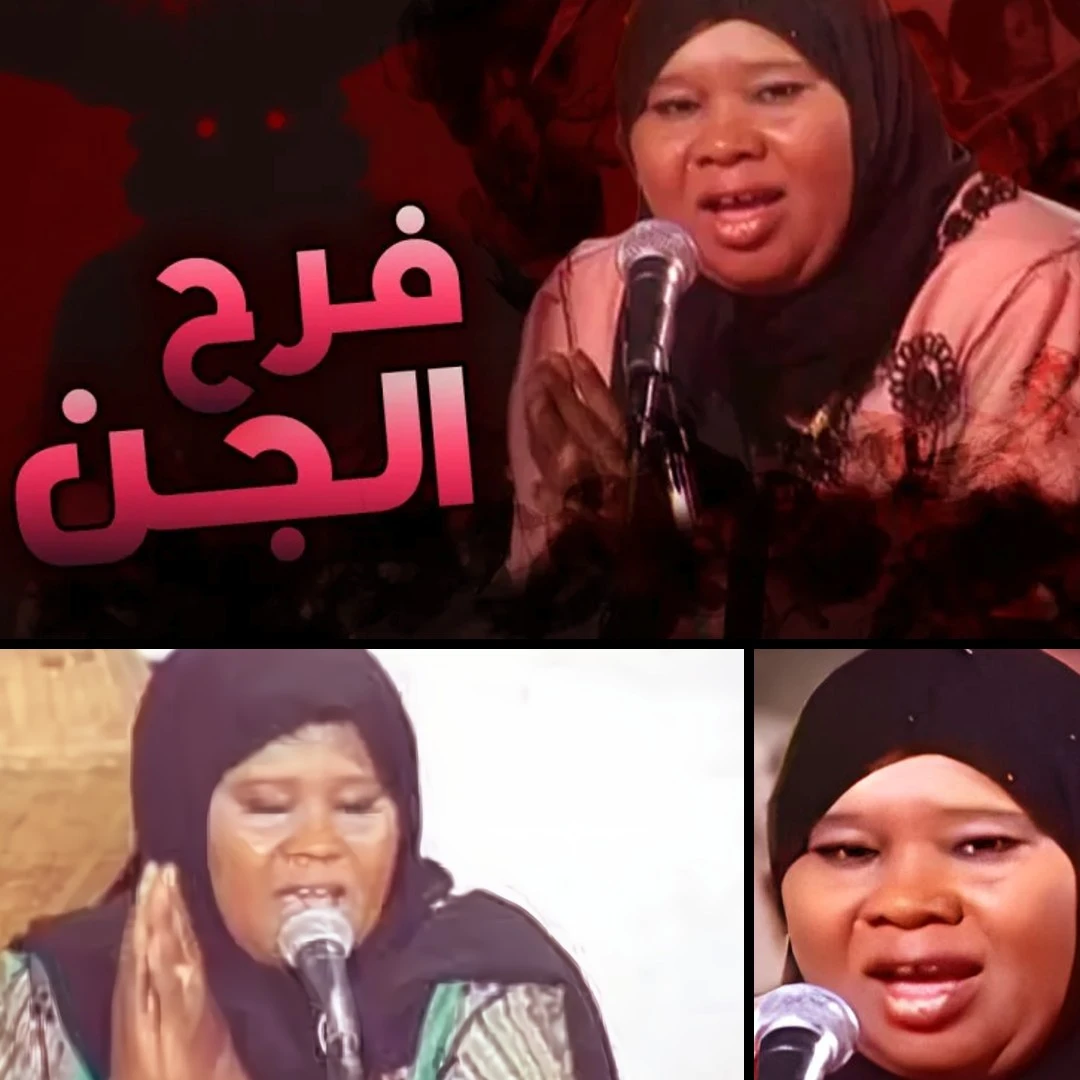
The legend claims that during the event, the band realized the guests weren’t human and that the venue was actually an abandoned mansion that had been empty for years.
It’s important to note that this story has never been historically documented; it remains more of an urban legend, passed down in gatherings and online, before being adapted into a TV drama.
A focus on psychological horror rather than special effects
What sets the show apart is its direction, which avoids excessive visual effects and instead builds a tense, mysterious atmosphere.
Dim lighting, abandoned filming locations, and a gradual sense of escalating danger.
This approach makes the show's horror feel more like psychological unease than the jump scares typical of many horror productions.
Audience reactions
From the very first episodes, 'Arous Al-Jinn' became a trending topic on social media. Many viewers shared comments that mixed humor with genuine fear. One viewer wrote, "After watching Arous Al-Jinn, I had to sleep with the lights on!"
Others highlighted the strong performances and the chilling atmosphere the show managed to create. This buzz helped the series top viewership charts at the start of Ramadan, especially among Gulf audiences.
What did the critics say?
Overall, most reviews were positive and focused on three main points:
1 – Bold subject matter
Some critics praised the show for bringing horror and local folklore into Gulf drama—a bold and unconventional move.
2 – Ilham Ali's performance
Many commended her ability to carry the show and convincingly portray her character's psychological shifts.
3 – Visual atmosphere
Some reviewers felt the direction succeeded in creating a mysterious and frightening mood without overusing effects.
On the other hand, some viewers felt the plot could have been more complex, noting that the story largely revolves around a single central idea.
Why did the series generate so much buzz?
The real reason for 'Arous Al-Jinn's' success may be that it didn't borrow its horror from other cultures, but instead tapped into fears deeply rooted in Gulf traditions.
Stories about jinn at weddings, abandoned houses, and mysterious guests who turn out not to be human have been part of popular folklore for decades.
When this tale was adapted into a modern drama, viewers felt as if they were watching a story they'd heard since childhood—only now, it was brought to life on screen.
Between Fact and Fiction
In the end, the question that lingers with every story like this remains: Did it really happen?
So far, there’s no historical evidence to confirm that the 'Jinn Wedding' ever took place as described in the legend. Still, the story has become a staple of Gulf folklore.
The series simply took this legend and added modern dramatic elements, creating one of the most thrilling horror stories of Ramadan 2026.
About the Author