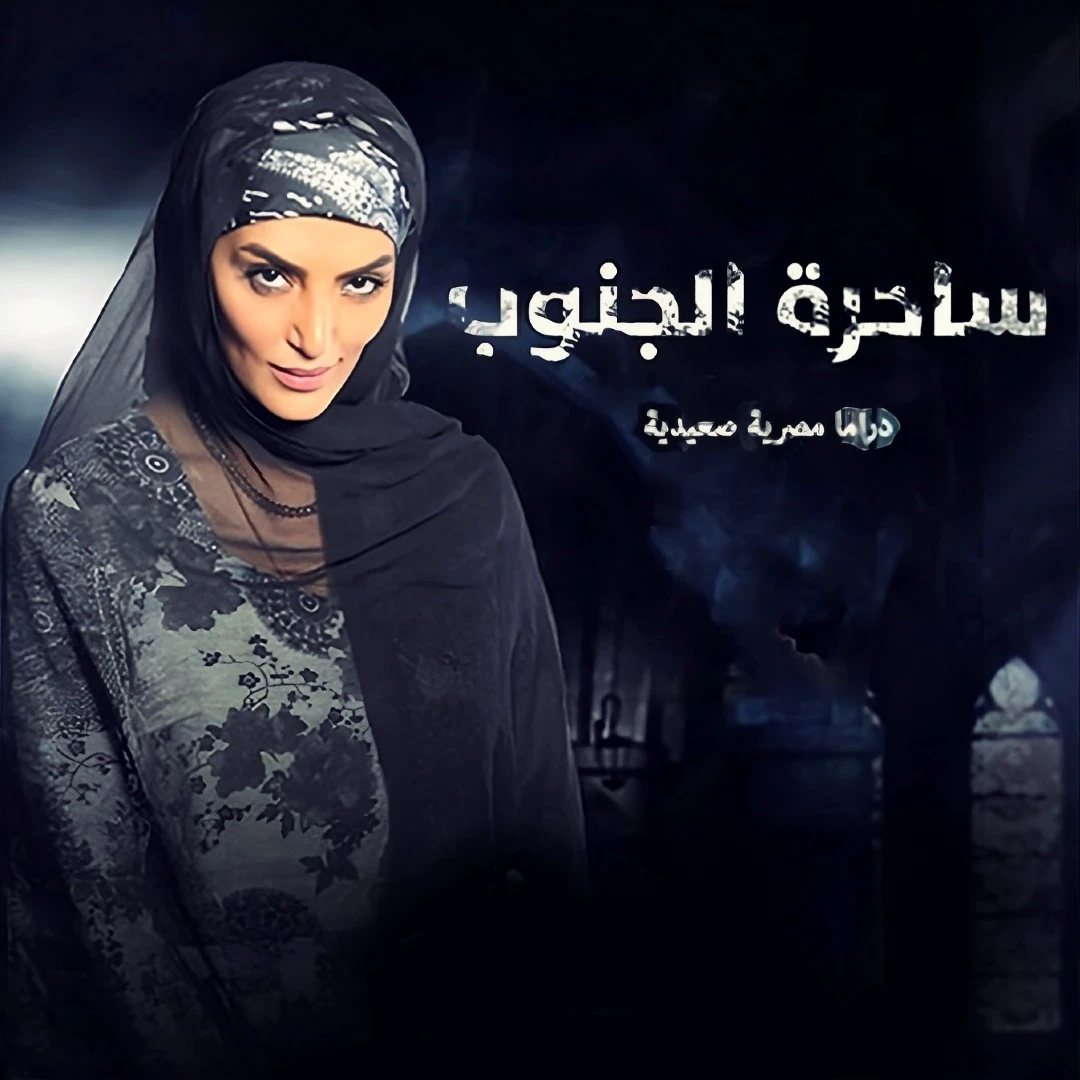
The series 'South Witch' (2015) stands out as one of the rare Egyptian dramas to tackle the world of magic and jinn head-on—not just as symbols, but as real forces within the story. The show blends Upper Egyptian folklore with a tale of supernatural revenge.
Plot Summary
The story follows a young woman named Rehab, who returns to her village after enduring a series of tragedies and injustices. Gradually, she becomes an enigmatic figure, surrounded by rumors of curses, mysterious deaths, strange apparitions, and supernatural vengeance. The villagers come to believe she is either a witch, possessed, or protected by a powerful jinn. Rehab soon becomes a symbol of fear, awe, and vigilante justice.
Folk Magic as Parallel Justice
The series is built around elements of folk magic, jinn, amulets, rituals, vengeful prayers, and curses—all deeply rooted in Egyptian popular culture. Unlike traditional portrayals, Rehab is not depicted as a classic witch, but as a wronged woman who becomes the focus of collective belief in her supernatural powers. She transforms into a legend, a deterrent, and a symbol of unofficial justice. This aligns with global folk horror traditions, where witches are often products of injustice or persecution, and the community itself becomes a source of fear—here, set in a distinctly Upper Egyptian environment.
Related Series
The show fits within the 'Supernatural Folk Horror Drama' genre, sharing similarities with works like The Wicker Man , The Witch, Midsommar.
Audience and Critical Reception
The series attracted high viewership and sparked widespread debate, with many viewers sympathizing with the protagonist. While some criticized it for indirectly promoting magic, portraying jinn as tools, and blurring the lines between religion and superstition, others praised its atmosphere, soundtrack, boldness, and strong performances.
Ultimately, 'South Witch' is not an endorsement of magic, but rather a reflection of a mindset that turns to the supernatural for justice when legal systems fail.
About the Author