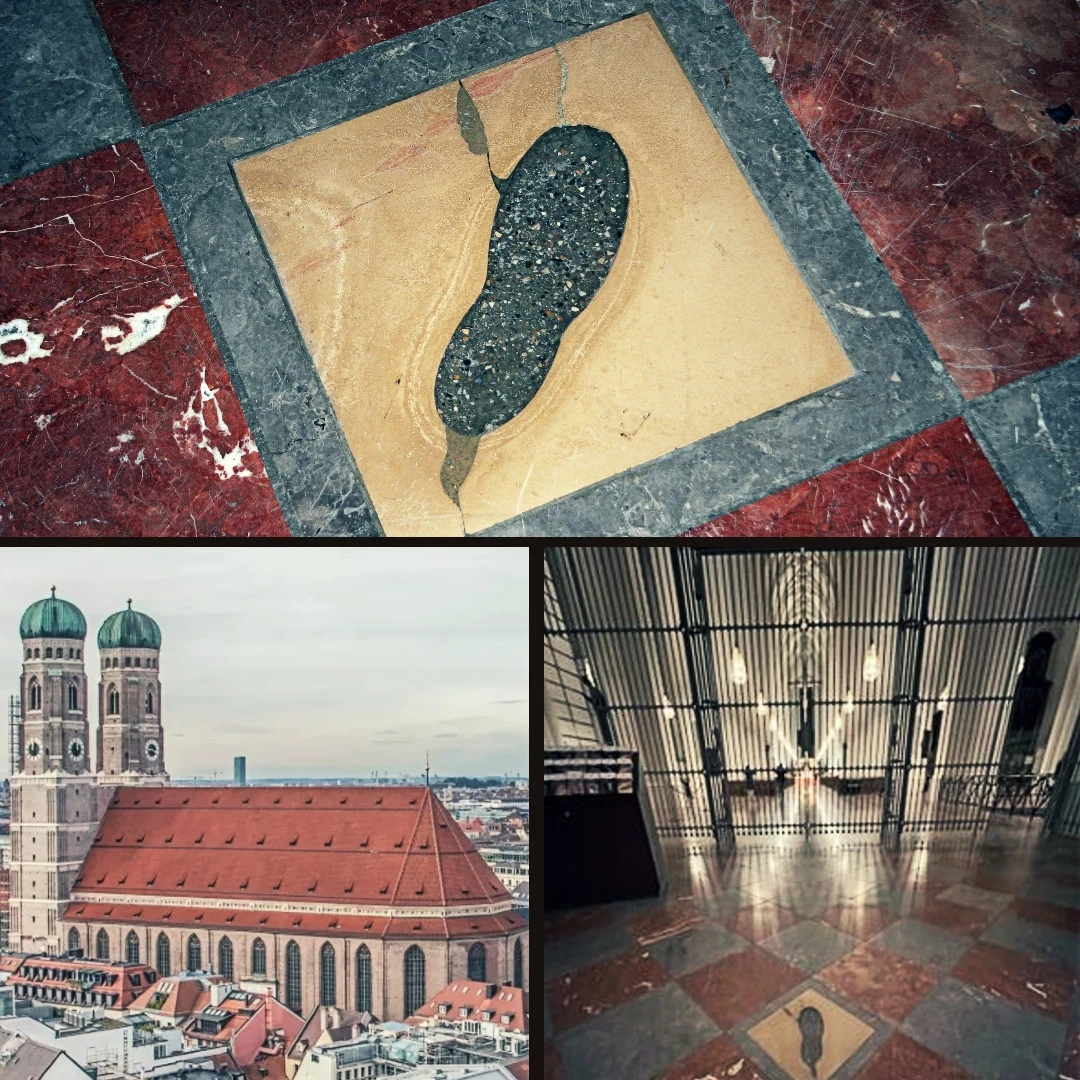
In the heart of Munich, beneath the iconic towers of the Frauenkirche, there’s a small mark on the floor that captures visitors’ attention more than any of the grand decorations inside. Embedded in the stone is what looks like a human footprint, with a curious spur-like mark at the heel. Locals call it the Devil’s Footstep , or Der Teufelstritt.
But who left this footprint? Why is it associated with the devil? Does the story really date back to the cathedral’s construction in the 15th century, or has the legend changed and grown over the centuries to become what we know today?
Before we look for answers, let’s step into the story as it’s told by the people of Munich.
A Deal with the Devil
According to the most popular version of the legend, architect Jörg von Halspach began building a grand church in Munich in 1468. He soon realized he didn’t have enough funds to finish such an ambitious project until the devil appeared.
As the story goes, the devil offered to finance the construction, but with a strange condition: the church could not have any windows that let in daylight. In some versions, the price was even steeper—the architect’s soul was at stake. Halspach agreed, but he had no intention of keeping the deal exactly as the devil imagined.
The church was built with plenty of windows, but the massive columns were arranged so that, from a certain spot near the entrance, none of the windows are visible. When construction was finished, the devil came to inspect the building. Standing at that now-famous spot, he looked around and saw no windows—just as he had demanded. Overjoyed, he stomped his foot on the ground, leaving his mark in the stone. But his triumph was short-lived.
According to the legend, if you move just a step away from that spot, the large windows suddenly come into view between the columns. When the devil realized he’d been tricked, he flew into a rage. In some versions, he didn’t leave the mark out of happiness, but rather stamped the ground in fury the moment he discovered the deception.
The Devil Returns as the Wind
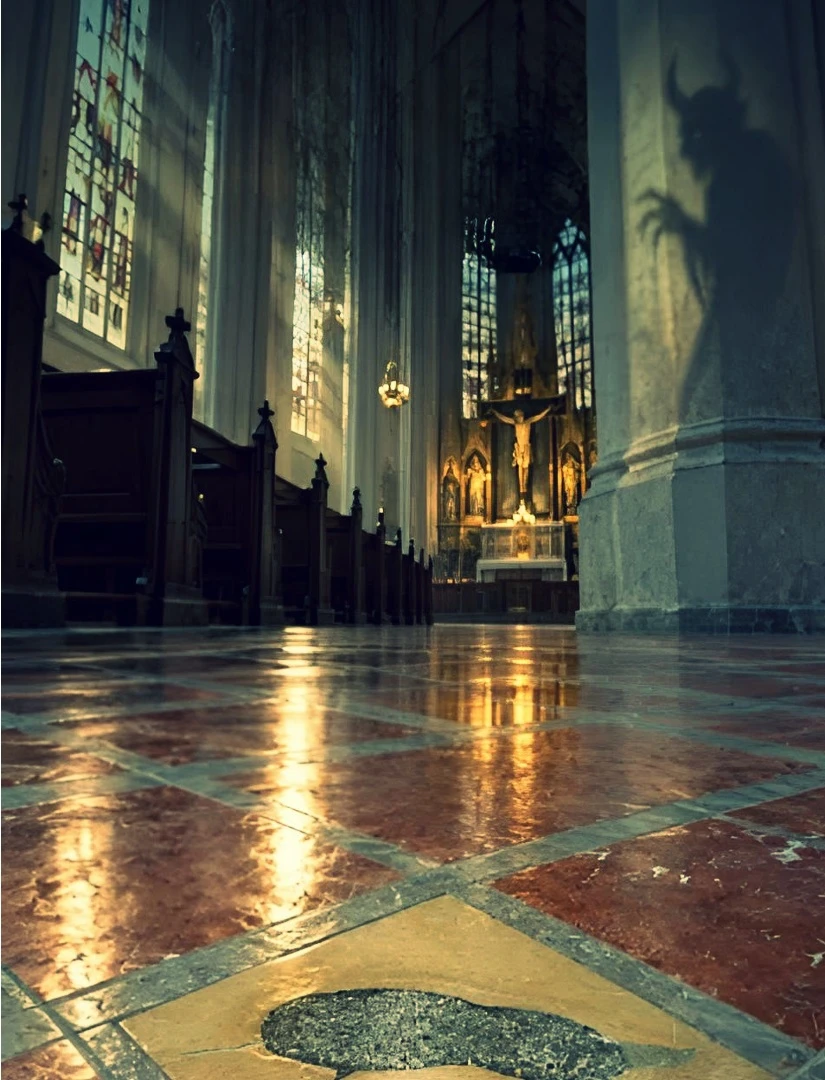
The story goes that the devil couldn’t destroy the church after it was completed and consecrated. Furious, he stormed out and unleashed powerful winds around the building, trying to tear it down—but failed.
That’s why, according to another Munich legend, the winds that swirl around the Frauenkirche’s towers aren’t just a weather phenomenon, they’re the lingering rage of the devil, still circling the church in search of revenge. Some versions add that one of his followers continues to haunt the towers, which is why the winds never seem to die down. The footprint inside remains as a witness to this legendary confrontation.
But the real question is: did any of this actually happen in the 15th century?
The Real Church Behind the Legend
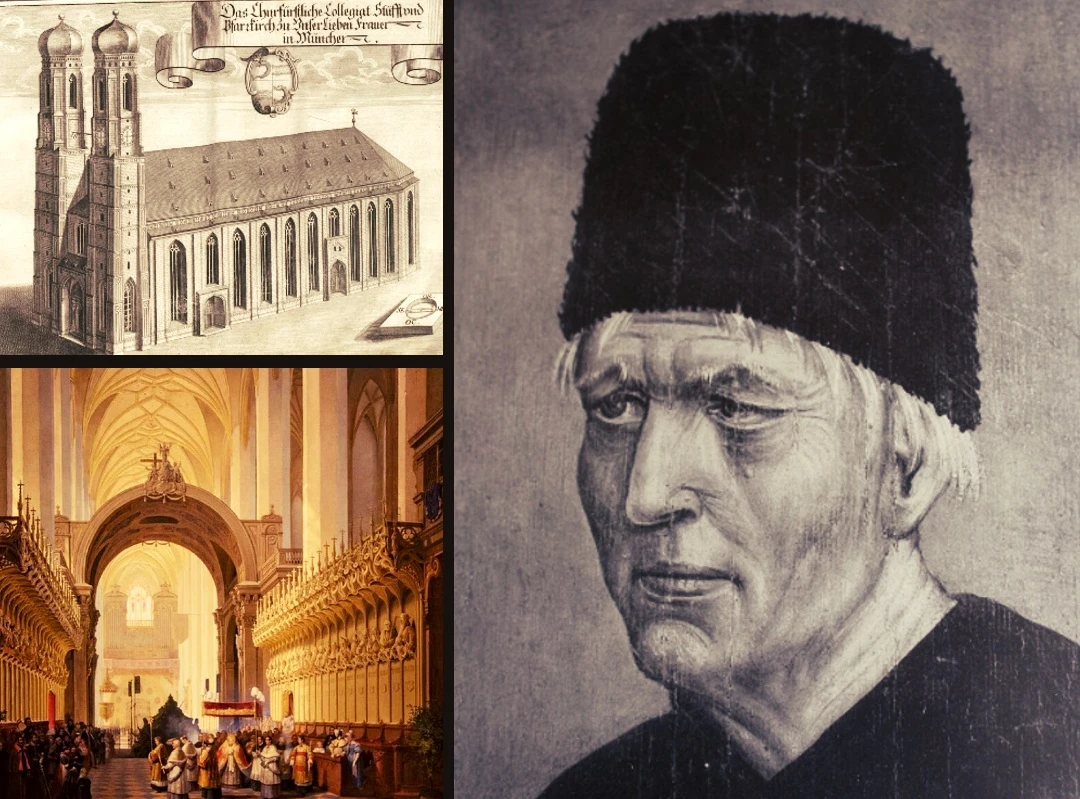
Construction of the new Frauenkirche did begin in 1468 under the supervision of Jörg von Halspach. The main structure was completed by 1488, and the church was consecrated in 1494. Finishing such a massive building in just about twenty years was remarkable for the time, and this speed may have fueled rumors of supernatural assistance. However, historical records show no evidence of a mysterious funding crisis.
The church’s construction was financed by the local parish and the city of Munich. The church sold some of its property and rights, and the city council helped provide building materials. Funding came from religious and financial sources common in Europe at the time.
So, the story of "the devil who funded the cathedral" isn’t historical fact, it’s a layer of legend added to the church’s history later on.
The Real Trick
This is where the story gets most intriguing. The legend didn’t just appear out of nowhere—if you stand today at the so-called 'Devil’s Footstep' and look into the church, you’ll notice that the massive columns actually block most of the windows from view. In other words, the optical illusion is real.
But there’s one problem: from this spot, you can still see a large window at the end of the church, which contradicts the idea that the devil couldn’t see any windows. The answer lies in an architectural change that took place more than a century after the cathedral was built.
In the early 17th century, a huge altar was added to the choir area. This structure also blocked the central window, so anyone standing at the footprint would see almost no windows inside the church. This situation lasted from around 1620 until the mid-19th century.
This opens up an interesting possibility: perhaps the story of the 'windowless church' didn’t originate during the 15th-century construction, but centuries later, after the altar was built and visitors began to notice the strange optical trick.
What do the old accounts say?
One of the earliest known written versions of the tale was published in 1868 under the title 'The Devil in the Church of Our Lady.' Interestingly, it’s quite different from the popular tourist version today—there’s no architect selling his soul, and no devil funding the project in exchange for removing the windows.
In that version, the devil is angry that a new church has been built and enters it intending to destroy it. But when he stands in a certain spot, the columns block his view of the windows. He assumes the builders made a huge mistake by creating such a dark church, laughs, leaves his footprint, and only later realizes he’s been tricked.
This difference reveals something important: the legend itself has evolved over time.
It seems to have started with a footprint, an optical illusion, and an angry devil. Later, the story of a wager for the architect’s soul appeared, and in modern versions, it’s become a full-blown financial deal where the devil funds the construction.
But is the footprint itself actually old?
Even the mark you see today should be viewed with some caution. The cathedral suffered heavy damage during World War II and underwent extensive repairs and renovations afterward, including a modern replacement of the floor.
Researcher Joe Nickell, after visiting the site, reported that a church staff member told him the current footprint was recreated during one of the restorations, and couldn’t confirm what happened to the original mark. There’s no documented chain of evidence proving that the slab seen today is the same one Munich residents saw centuries ago.
A legend shaped by architecture?
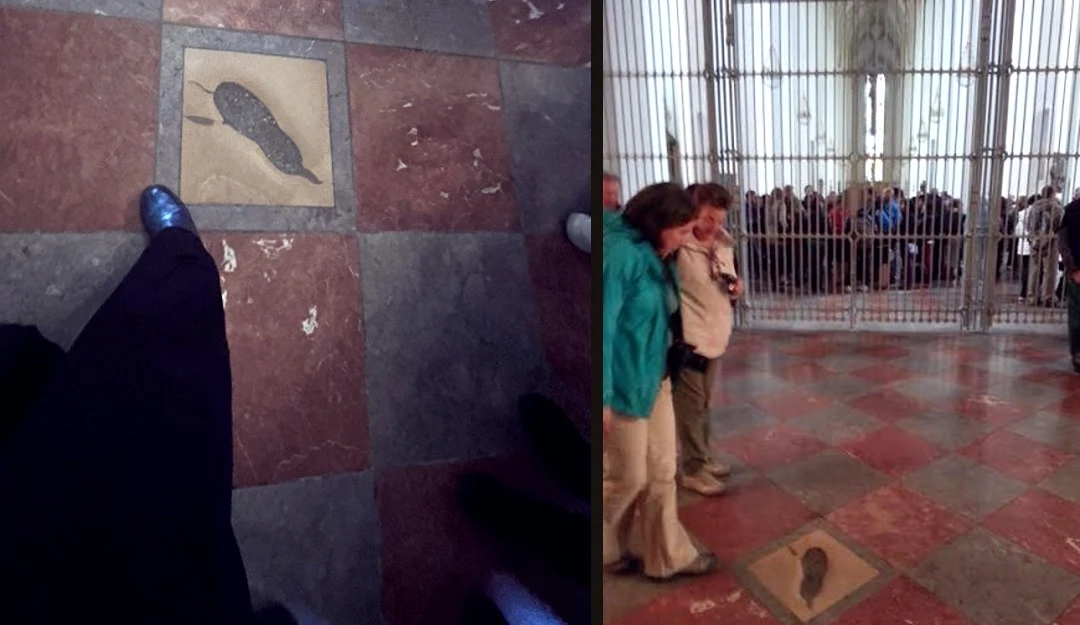
Perhaps the power of the 'Devil’s Footstep' lies in the fact that its key elements are right there for visitors to see: a footprint in the floor, columns that hide the windows, and a spot inside the church where a building full of light can, for a moment, seem windowless. Over time, the rest of the story was added.
A devil enters the church, an architect outsmarts him, a foot strikes the stone, and a furious wind keeps swirling around the towers.
But historical investigation flips the question: does the footprint remain because the devil once stood there, as the legend claims?
Or did a strange architectural illusion inspire people to invent a story about the devil, which then needed a footprint to make it more convincing?
Either way, this story has achieved what many legends cannot: centuries later, visitors still stand on the same spot, gaze at the columns, and experience for themselves the illusion that may have given rise to one of Munich’s most famous legends.
About the Author