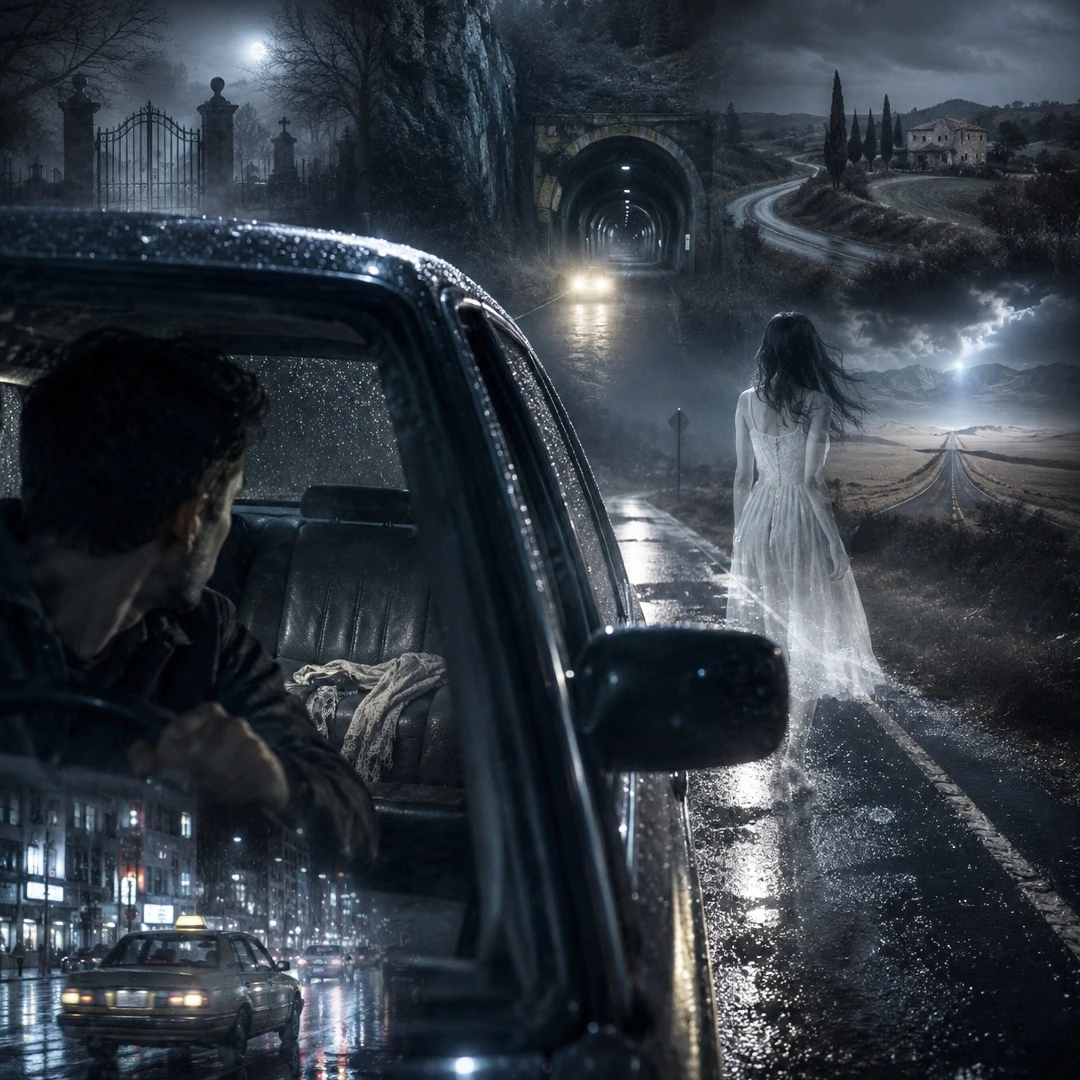
The story often begins on a rainy night, along a nearly deserted road. A driver spots someone standing by the roadside, usually a young woman, alone, dressed in light-colored clothes. The driver stops, and the woman asks for a ride to a nearby address. She sits quietly in the back seat or beside the driver. At first, nothing seems out of the ordinary. But after a few minutes, the driver glances over and realizes the passenger has vanished. The car doors haven't opened, the vehicle hasn't stopped, yet the passenger is simply gone, as if she was never there.
In some versions, the story doesn't end there. The driver goes to the address the woman gave him, where an elderly person answers the door and explains that the woman matching that description died years ago, often in an accident on that very road. Sometimes, there's a detail that's hard to ignore: a coat the driver lent her, a bag she left behind, a name, or a personal item that leads the driver to the grave of someone long deceased.
This is the legend of the Vanishing Hitchhiker, one of the most famous supernatural tales associated with roads. But it's not just a single story; it's a recurring pattern that appears with different names and settings across the United States, the UK, Europe, Africa, Asia, and even in Arab countries.
Strangely enough, the roots of this legend seem to go back hundreds of years long before the invention of the automobile.
A Passenger Who Disappears Before Arrival
There are dozens of variations in the details, but the basic structure of the story rarely changes: someone is traveling alone at night and encounters a stranger in need of help. The stranger gets into the vehicle, asks to be taken to a specific place, and then suddenly vanishes before the journey ends.
In many versions, the passenger is a young woman who died in a previous accident, as if she's still trying to complete the journey she couldn't finish in life.
That's why, in most stories, these ghosts aren't hostile. They don't try to harm or attack the driver; instead, they seem trapped in an endlessly repeating event: waiting for a car, asking to go home, and then disappearing before they arrive.
This element might be part of what makes the legend so powerful. There's something more tragic than frightening about the idea of someone who died mid-journey and is still trying to reach their destination.
A Story Older Than Cars
It's not accurate to say that 'hitchhikers' appeared on roads 400 years ago in the way we know them today, after all, the concept of car travel and hitchhiking is relatively modern. But folklore researchers have found old stories with the same basic structure.
One of the most famous early examples is a Swedish tale from 1602, recorded by the priest Joen Petri Klint. It tells of a priest and some farmers returning from a religious market when a mysterious girl or maid joins them on the road. When they stop at an inn and she asks for something to drink, strange things happen: a jug of beer turns into barley prepared for brewing, a second jug turns into acorns, and a third reveals blood. The girl then predicts a year of good harvests and abundant fruit, but also warns of war and plague then vanishes in front of the travelers.
Of course, this isn't a typical modern Vanishing Hitchhiker story, but it shares the same old idea: a stranger appears to travelers, accompanies them for a while, leaves a message or a sign, and then disappears in an unnatural way.
The modern version of the legend, involving cars and highways, really took hold in the twentieth century. So, while the roots of the story go back about four centuries, the version we know today was born with the age of the automobile.
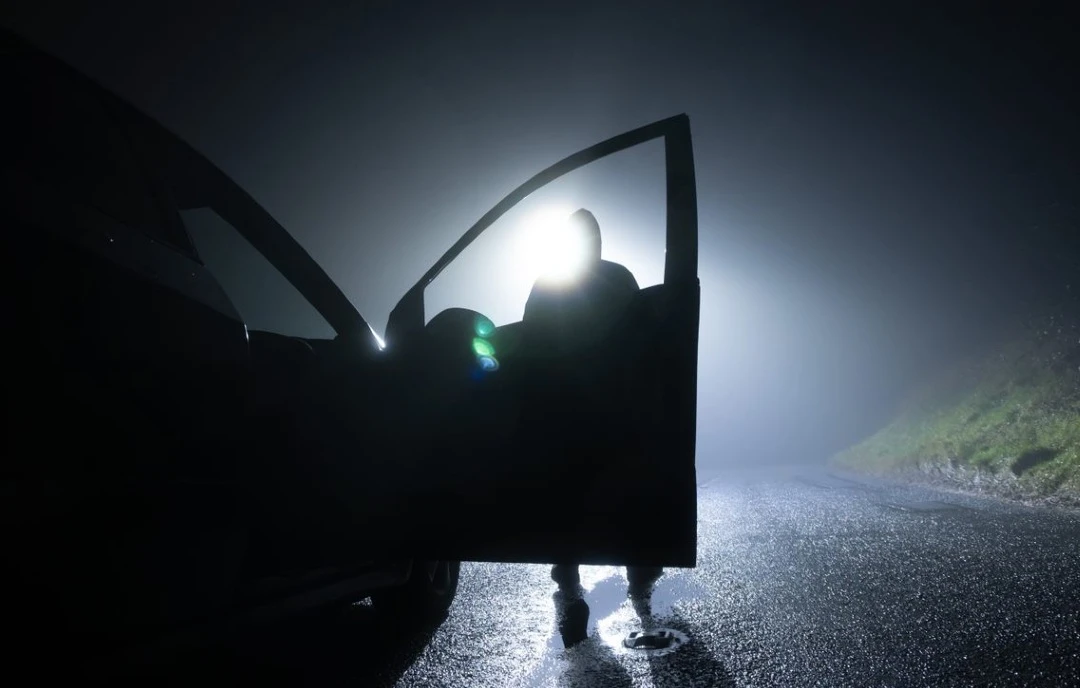
Roads Famous for Vanishing Hitchhikers
Interestingly, some places aren't linked to just one story over the decades, so many tales have accumulated that the road's name itself has become synonymous with the ghost.
Archer Avenue – Chicago, United States
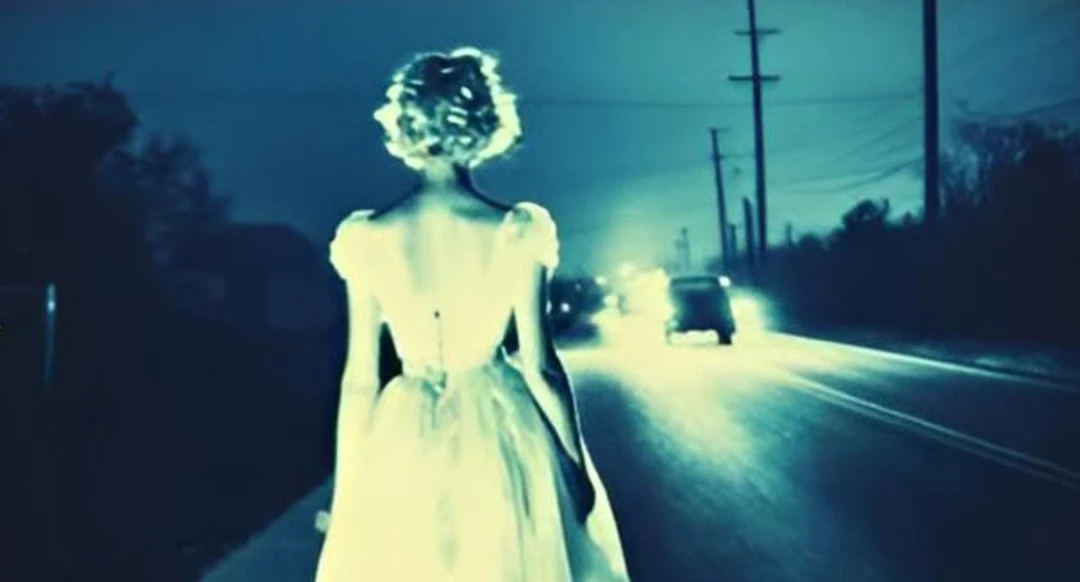
Perhaps the most famous 'vanishing hitchhiker' in the United States is Resurrection Mary. Since the 1930s, stories have circulated about a young blonde woman in a white evening gown who appears along Archer Avenue near a cemetery in the suburbs of Chicago.
In some versions, a driver spots her by the roadside and offers her a ride. In others, a man meets her at a dance hall and offers to take her home. She sits in the car and sometimes chats with the driver, but as they approach the cemetery, she suddenly disappears.
Many have tried to link Mary to a real woman who died in a car accident, but her identity has never been definitively confirmed. Over the years, various names have been suggested as the possible inspiration for the story.
This makes the tale of Resurrection Mary a textbook example of an urban legend: a real location, an actual cemetery, widespread eyewitness accounts, and possibly even a real accident—but no conclusive link tying all the elements together.
Highway 365 – Arkansas
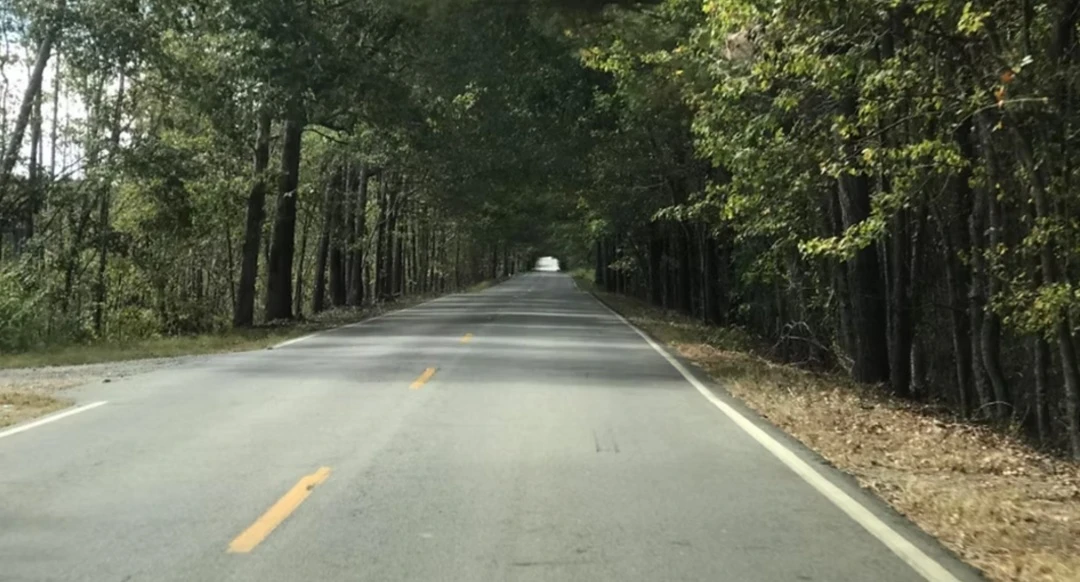
A similar story is told along Highway 365 near Woodson, Arkansas. On rainy or stormy nights, drivers encounter a young woman or girl, sometimes in torn or soaked clothing, who asks for a ride to her parents’ home. The driver obliges, but before they arrive, she vanishes from the car. When the driver knocks on the door and explains what happened, the family recognizes her description but reveals their daughter died years ago in a car accident.
This story has become a staple of local folklore and is now one of the region’s best-known road legends. Interestingly, over time, the road itself becomes part of the myth; drivers familiar with the legend enter the area expecting to see the girl, blurring the line between personal experience and stories they've already heard.
Jamestown – North Carolina
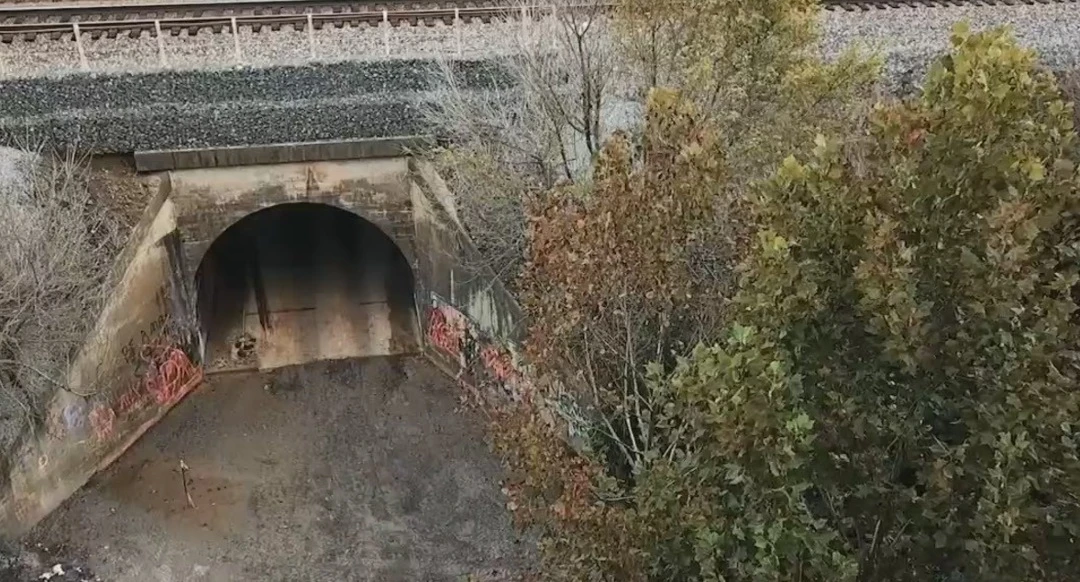
In Jamestown, North Carolina, another well-known figure appears: Lydia. According to the most popular accounts, drivers see a young woman in a white dress near a railroad crossing. She asks for a ride to an address in High Point, but disappears en route. When the driver tries to find her, he learns she died years earlier.
Even Lydia’s death is told in different ways. Some stories say she died in a car crash on her way to a party, while others offer entirely different versions. These variations aren’t a flaw, they reveal how the legend works.
Names, places, and dates may change, but the core remains: a girl who died on the road, still trying to reach the place she never made it to.
Blue Bell Hill – England
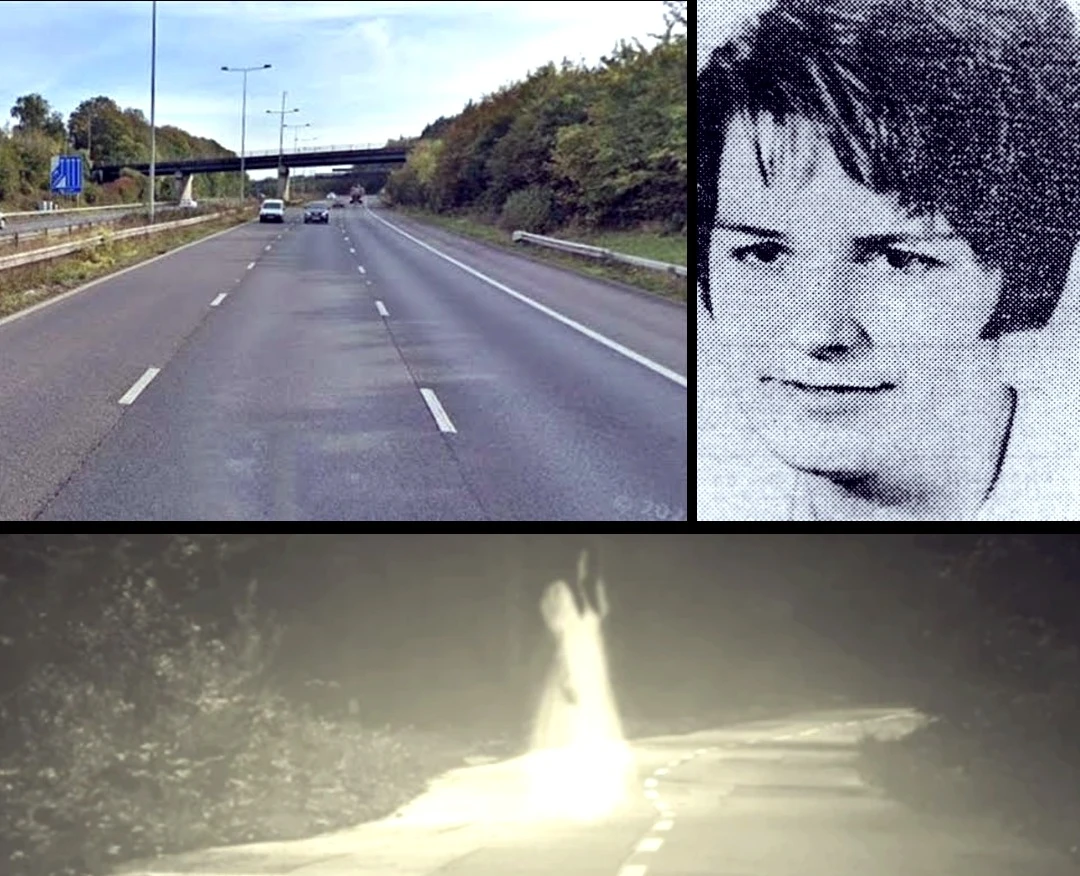
Blue Bell Hill in Kent, England, along the A229, is one of the UK’s most famous haunted road sites. In this case, there’s a well-documented real accident.
In November 1965, a car crash claimed several lives, including a young woman who was about to be married. Later, drivers began reporting sightings of a young woman on the road.
Some said they stopped and picked her up before she vanished. Others told even stranger stories—believing they had hit a woman with their car, only to find no body or evidence of an accident when they stopped to look.
These sightings were quickly linked to the bride who died in 1965, but folklore research revealed an intriguing problem: some witness descriptions of the 'ghost' didn’t always match the woman who died in the crash.
This raises the possibility that the legend didn’t originate with the accident victim. Instead, mysterious tales about the road may have existed first, and the tragic event later gave the story a name and a face people could remember.
Belchen Tunnel – Switzerland
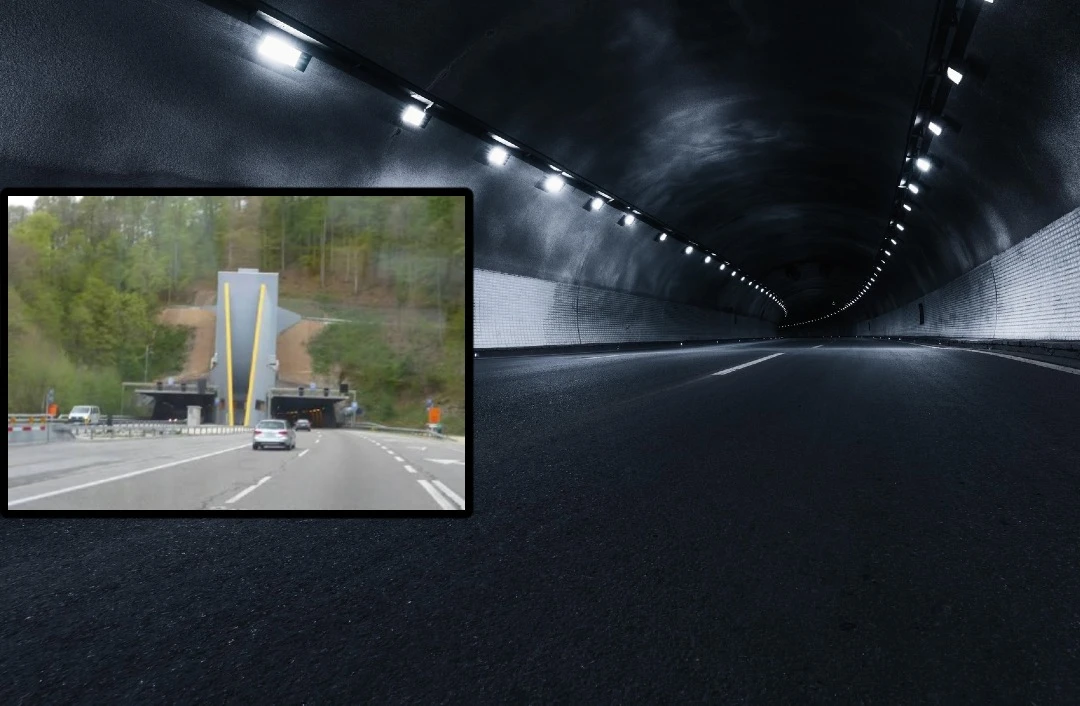
In Switzerland, there's an even stranger version of the legend known as the White Lady of Belchen Tunnel (Weisse Frau vom Belchentunnel), which is linked to the Belchen Tunnel on the A2 motorway, especially during the early 1980s.
The most famous account dates back to 1983, when two women picked up a pale, exhausted-looking woman—either young or middle-age near the tunnel. During the ride, one of them asked if she was feeling better. The woman replied that she was not, then issued a cryptic warning: 'Something terrible, something truly horrifying, is going to happen.' When the women turned to look at her, the back seat was completely empty. According to the original story, the woman never specified what the dreadful event would be or when it would occur.
A later version claims the two women were on their way to the autumn fair in Solothurn and decided to cancel their trip after the warning. However, this seems to be a later addition and isn't clearly part of the original 1983 account.
This actually makes the story even more intriguing: the warning was never explained, and no one ever discovered what the 'terrible thing' the woman predicted was supposed to be.
Uniondale Ghost – South Africa
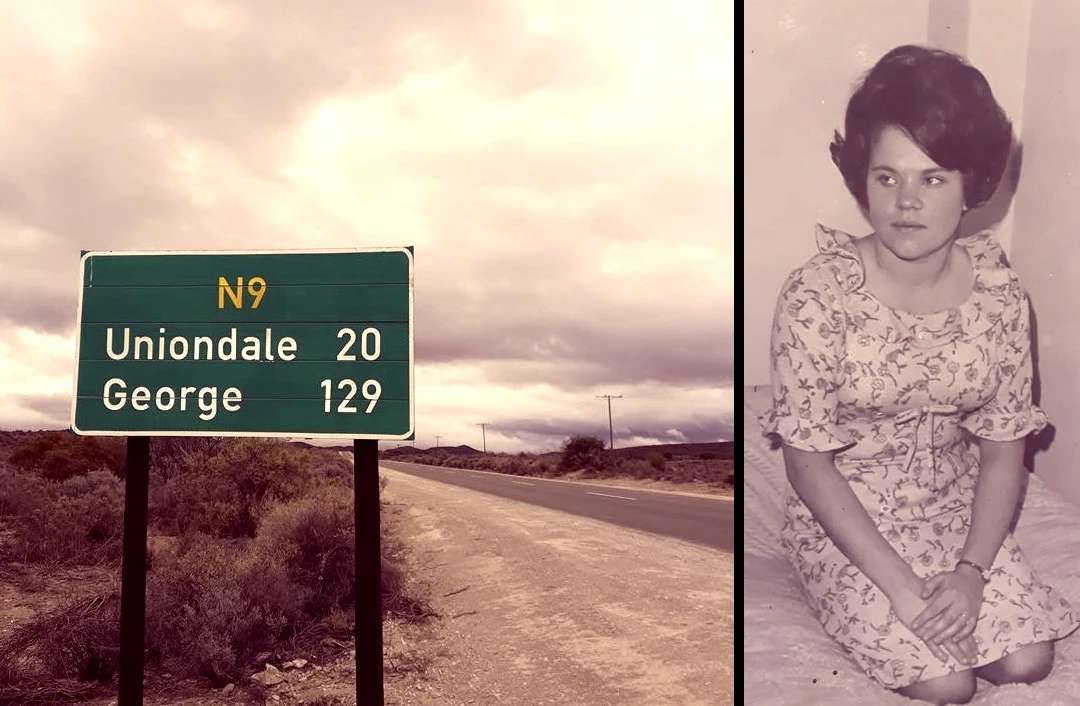
Along the N9 highway near Uniondale in South Africa, one of the continent's most famous ghost hitchhiker stories emerged—this time, with a real woman at its heart.
In April 1968, a young woman named Maria Charlotte Roux died in a car accident on the road between Uniondale and Willowmore.
Years later, drivers began reporting sightings of a young, dark-haired woman standing by the roadside, especially on cold nights. Some picked her up, only for her to vanish from their cars without a trace.
As the legend grew, new details were added: mysterious laughter or screams, car doors opening or closing on their own, and even a faint scent of apple blossoms. Over time, the Uniondale story became a staple of South African folklore.
Researchers have also pointed out the significant role the media played in spreading the story. Each new report brought more attention, and more people became aware of what was supposedly happening on that stretch of road.
This created a strange cycle: an experience sparks a story, the media publishes it, more drivers hear about it, and similar stories begin to surface.
Shillong – India
One of the most intriguing examples comes from Shillong, in northeast India, where researcher Margaret Lyngdoh studied 'vanishing hitchhiker' tales within the beliefs of the local Khasi people.
One story tells of a taxi driver who picked up a woman and her child late at night. She was cold, so he lent her his jacket. After dropping her off at her destination, they parted ways.
The next day, the driver went to the address to retrieve his jacket and collect his fare. An elderly woman answered the door and explained that the woman he described was her daughter, who had died years earlier. She led him to the cemetery, where, according to the story, he found his jacket draped over her grave.
What’s striking about this case is that the vanishing hitchhiker legend doesn’t simply travel unchanged from one country to another, it adapts to the beliefs and traditions of each community it reaches.
In Khasi culture, for example, there are beliefs about the spirits of the dead who remain unsettled, especially when someone dies violently or under unusual circumstances.
The Japanese Version of the Vanishing Hitchhiker
Japan has its own famous version of the 'vanishing hitchhiker' legend, but here the encounters often take place in taxis. In their book 'Ghost and the Japanese,' researchers Michiko Iwasaka and Barry Tolken recount a well-known story: A Tokyo taxi driver picks up a young woman outside a hospital late at night. She asks to be taken to the Hamachō district, giving precise directions. Near the destination, the driver glances in the mirror and finds the back seat empty and unusually cold. He then hears her voice again, asking to go to Aoyama and then back to Hamachō. When he finally arrives at her home, he smells incense commonly used at funerals. The family tells him that a young woman from their household had died at the hospital the previous day, and they believe she wanted to visit Aoyama one last time to say goodbye to her lover.
The source notes that this story is said to date back to around 1950, but it remains a classic example of the vanishing hitchhiker legend in folklore studies, rather than a historically verified event.
Taxi ghost stories aren’t limited to this tale. Japanese horror culture has long featured accounts of passengers who disappear from the back seat, sometimes leaving it cold or damp. According to local folklore, some Tokyo taxi drivers even avoid picking up passengers at night near Aoyama Cemetery out of superstition.
Other Experiences from the Arab World
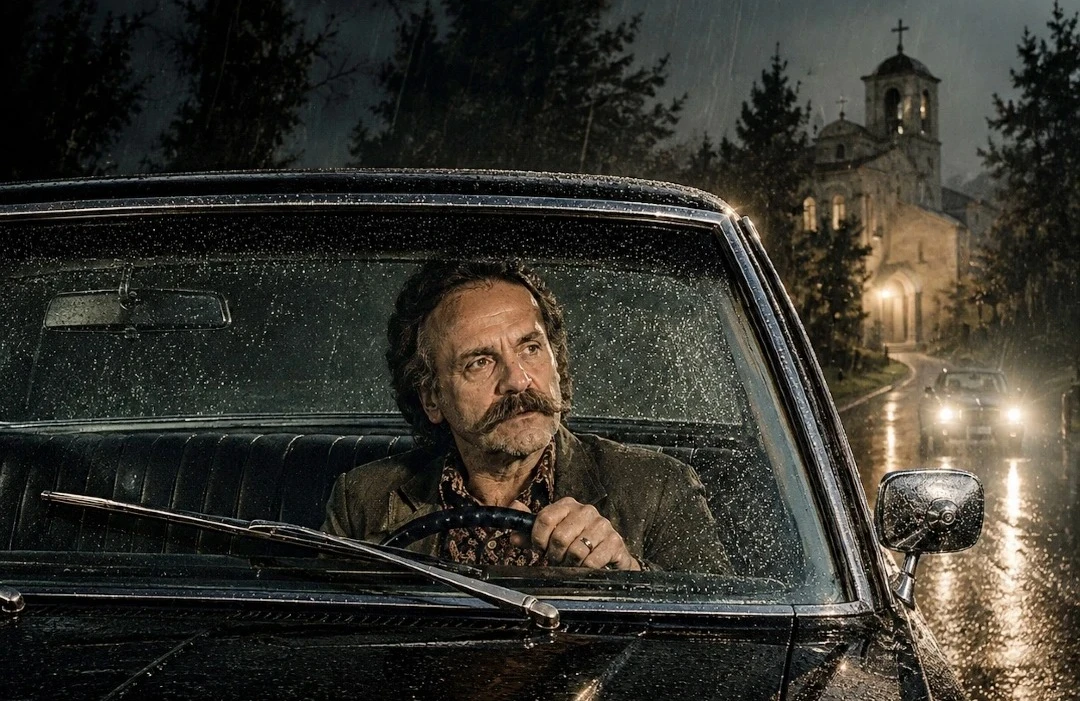
Similar experiences have been reported in our region, though their interpretations often vary depending on cultural and religious beliefs. In Lebanon, for example, the artist Tony Hanna recounted an incident from 1994. He was traveling with the poet Riad Najmeh to the Rafqa Monastery in Jrabta on a rainy day when they spotted a barefoot man on the road and offered him a ride. The man sat in the back seat, told them he was heading to Jrabta, and spoke about Rafqa, fasting, and prayer. When they arrived at the church, he had vanished without them noticing him leave the car. Over the years, the two men came to believe their mysterious passenger might have been Father Beshara Abu Murad, though this identification was based more on religious impression than physical resemblance. For both men, the event remained a spiritual experience rather than just a chance encounter with a stranger. Read more in Tony Hanna's Encounter with the Man Who Disappeared.
In Libya, We received a personal account from a man named Faisal. He said the incident happened to him in the summer of 1983 while driving at night from Tripoli to Yefren. After passing the "Bir Ayat Gate," he picked up a strange-looking man wearing a heavy military coat despite the summer heat. The man remained silent for a while, then told Faisal he had been in an accident, and added more bluntly, "I had an accident... and I died." According to Faisal, the man opened his coat to reveal what appeared to be blood on his body. Faisal began reciting Ayat al-Kursi, and after a few minutes, the car stopped, he heard the door open and close, and found the seat next to him empty.
When Faisal shared his story with locals, they told him of old tales about a being that appears to lone travelers on that road, known locally as "al-Ghoula." While this is a personal account that can't be independently verified, it's significant because it shows how the global "vanishing hitchhiker" motif can blend into local folklore and beliefs about spirits and supernatural beings.
When the ghost leaves something behind
One of the strangest elements in these stories is the presence of a physical object, a bag, an ID card, a scarf, a ring, or, in the most famous version, a coat or jacket that the driver lends to the passenger because of the cold, only to later find it left on her grave. These details play a crucial role in shaping the story.
If a driver simply claims to have seen a woman who then vanished, it's easy to dismiss it as a hallucination or a trick of perception. But what if there's a physical object involved?
At that point, the story shifts from a simple ghost sighting to a mystery that seems to offer tangible evidence. That's why some folklorists believe these objects aren't necessarily real remnants of a supernatural event, but narrative devices that give the story more power.
A compelling legend doesn't just say, "I saw a ghost", it says, "I saw it... and there's something left behind to prove it was real."
Why do these stories always happen on roads?
Another common thread in most of these tales is the setting: a nighttime road, a bridge, a tunnel, an intersection, a cemetery, or a railroad crossing. These are places of transition, not destinations. People passing through are themselves between where they've been and where they're going.
That's why some researchers use the concept of liminality to explain the appeal of these places in folklore. The road is a space between two places, dusk is between day and night, and the ghost itself exists between life and death. The symbolism becomes even stronger when the person died during a journey.
A bride who never made it to her wedding, a girl who didn't return home, a traveler who never reached his destination.
It's as if the collective imagination gives them another chance, but they're doomed to repeat the same journey forever.
Are these ghosts, or just stories that travel?
It's difficult to categorize all these accounts the same way. Some are linked to real fatal accidents, though the ghostly sightings often occur years later. Some are folk tales with no traceable original witness, while others are testimonies from real people who insist they saw someone in their car before that person vanished. There are also possible natural explanations.
Driving long distances at night can affect attention and perception, especially when tired, in darkness, fog, or rain. Under certain conditions, a person might misinterpret a shadow, a figure on the road, or a reflection of light, and later, memory reconstructs the scene in a way influenced by stories they've already heard.
But that alone doesn't explain the stranger cultural side of things:
Why does nearly the same story keep appearing in completely different societies?
Folklore offers one answer: stories travel and adapt.
When a story reaches a new town, it needs a local name, a local road, a local accident, and a grave people can point to.
Soon, people start telling it as something that happened to 'a friend of a friend.' New testimonies emerge, and history blends with folklore until it's almost impossible to separate the two. But for those who claim to have experienced it themselves, this explanation might not be enough.
About the Author