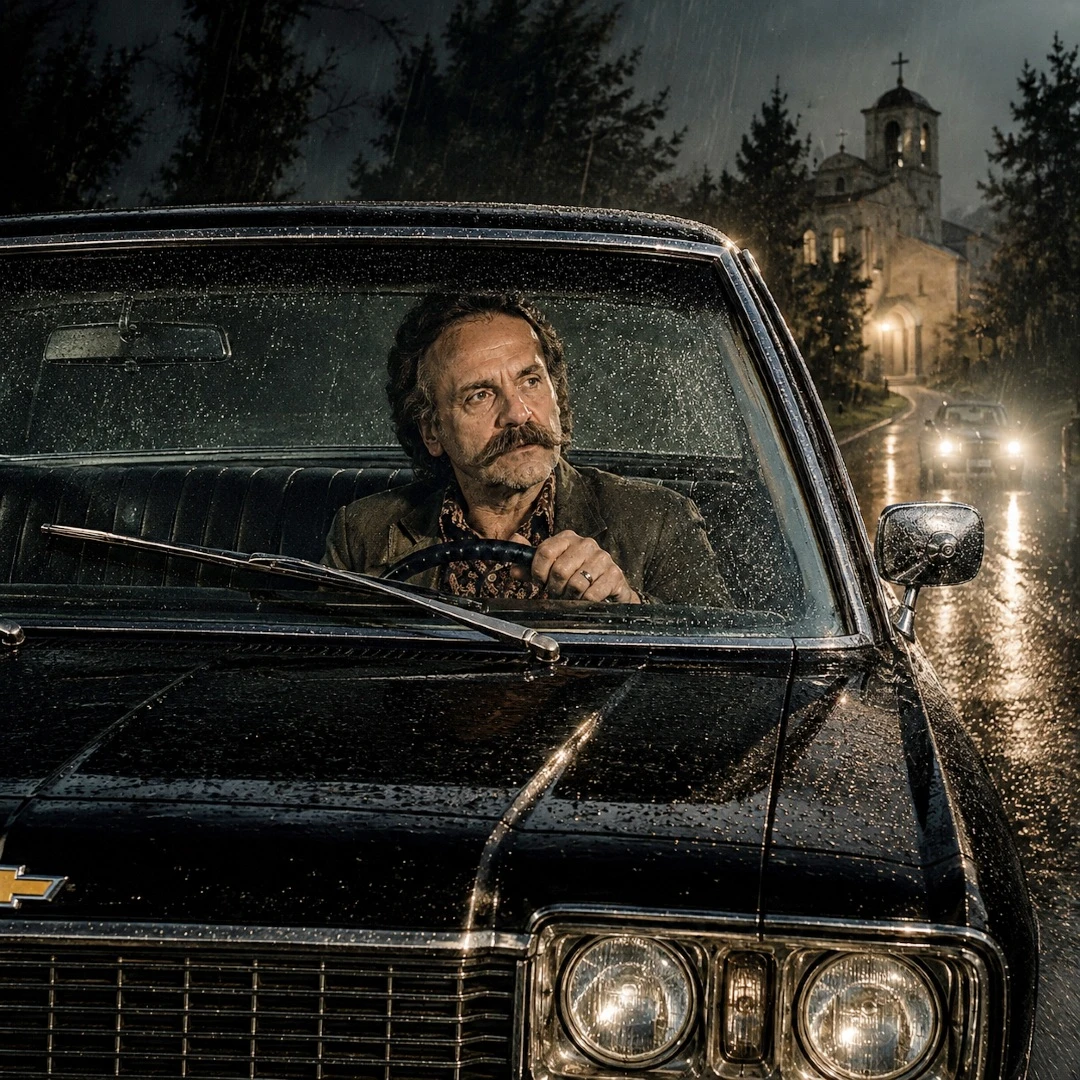
On a rainy day in 1994, Lebanese artist Tony Hanna set out with his friend, poet Riad Najmeh, to visit the Rafqa Monastery in the village of Jrabta, northern Lebanon. Riad's father was ill, so the two friends decided to go to church, pray for him, and attend mass.
They had no idea that what began as a simple trip to pray would leave them with a strange story, one they would recount more than thirty years later, convinced that the man who got into their car that day was no ordinary person, but a 'saint' who appeared on their path and then vanished.
Rafqa, the monastery they were heading to
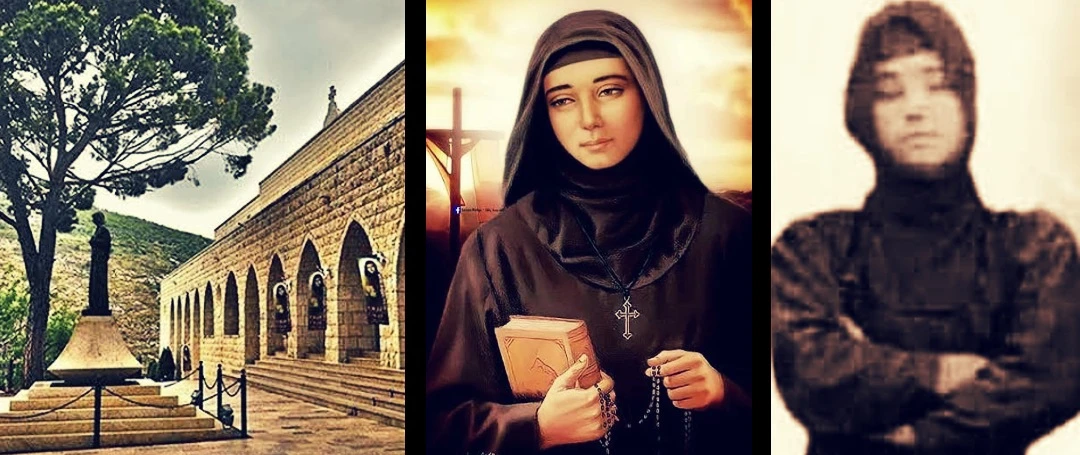
Saint Rafqa El Rayes was a Lebanese Maronite nun who lived from 1832 to 1914. She became known for her unwavering faith and patience through illness and physical suffering. She was beatified in 1985 and canonized by Pope John Paul II in 2001. Since then, her monastery in Jrabta has become a pilgrimage site for believers seeking her intercession.
When Tony and Riad had their experience in 1994, Rafqa was still officially recognized as 'Blessed.' However, when they recall the story today, they refer to her as 'Saint.'
A barefoot man in the rain
Tony was driving his black 1975 Chevrolet along the old road to the Madfoun area when he and Riad spotted a man walking in the rain.
The man was barefoot, but he didn't look homeless or distressed. He wore a jacket, had calm features, a simple appearance, and carried himself like a religious man. Tony specifically noted that he was clean-shaven.
Feeling sorry for him, the friends stopped, and Tony opened the car door. The man got in and sat in the right rear seat, and they continued on their way.
They asked where he was headed, and he told them he was going to Jrabta. During the conversation, he mentioned that 'Rafqa was with him.'
That statement had a powerful effect on Riad Najmeh. According to Tony, his friend's face noticeably changed, he turned pale, his eyes reddened with emotion, as if the words had touched something deep inside him.
His advice: Fasting first... then prayer
This wasn't just an ordinary trip for Tony and Riad; they were on their way to pray for Riad's ailing father. So, they asked the mysterious man to pray for them as well.
But his response wasn't just a promise to pray. Instead, what he said felt like a spiritual message. According to their recollection, he told them that fasting comes first, then prayer, and that these are the path to heaven and God's favor.
His words sounded more like a brief sermon from an ascetic than casual conversation with a stranger they picked up on the road.
Tony also tried to offer the man some money, perhaps because he saw him barefoot in the rain, but the man refused. Tony recalls wanting to touch his hands, but he never got the chance, and that wish stayed with him long after the encounter.
Where did the man go?
When they arrived at the church, Tony and Riad got out to attend the mass. As they entered, they glanced back to look for the man who had accompanied them, but he was nowhere to be seen.
He wasn't in the back seat, and there was no sign of him among the congregation or near the car. According to their account, they hadn't noticed him leave, nor did they see him walk away.
It's possible the man left while they were distracted getting out or entering the church, but Tony and Riad weren't convinced by this explanation. The impression he left—his words, appearance, and the way he appeared and vanished—made them believe they'd experienced something beyond a simple coincidence.
A story shared by two witnesses
Tony Hanna is the main storyteller, but he wasn't alone in recounting the experience. Riad Najmeh, who was with him on the journey and also saw the man, joined him as they retold the story on the show 'Sellem Aalsama,' hosted by Abed El Helou on Lebanon's OTV channel.
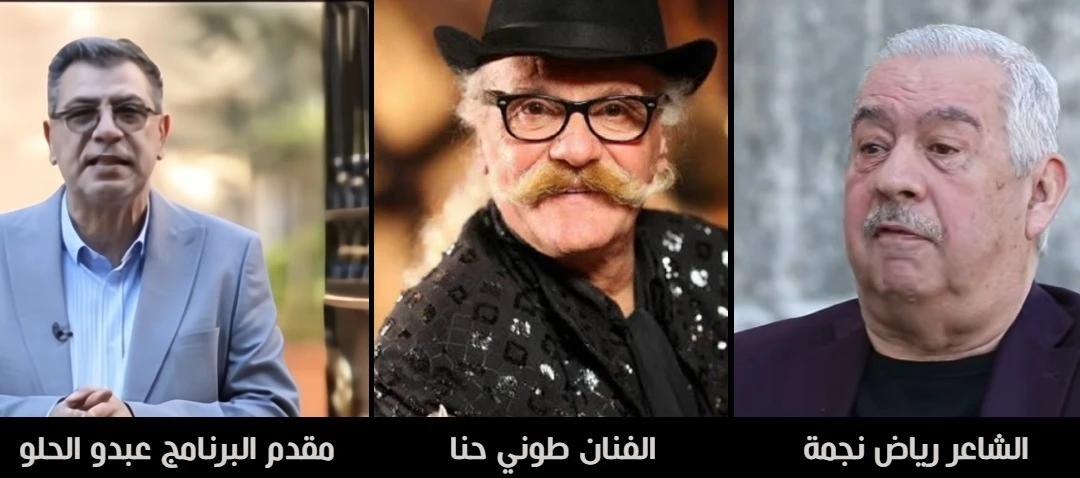
Riad would occasionally jump in to jog Tony's memory, remind him of certain details, or fill in parts of the conversation that had faded over the years. As a result, the story unfolded on the show as a shared memory, pieced together by two witnesses, rather than a solitary tale that only one person could confirm.
Having a second witness strengthens the claim that an encounter with a mysterious man actually took place, but it doesn't by itself prove the spiritual interpretation both witnesses later adopted.
Was the man Father Bechara Abou Mourad?
Years later, Tony and Riad connected the mysterious man to Father Bechara Abou Mourad, believing that the person who got into their car might have been him. To them, regardless of any official church title, the man was a 'saint.'
However, there's a detail that raises questions: the man Tony described was clean-shaven, while Father Bechara Abou Mourad is known from photographs to have had a prominent beard. This means their identification wasn't based on a perfect physical match, but rather on the spiritual impression the man left, his words about fasting, prayer, and kindness, and later, Tony and Riad's familiarity with Father Bechara's life story.
So, the two witnesses didn't immediately recognize him in the car; they came to that belief afterward.
Who was Bechara Abou Mourad?
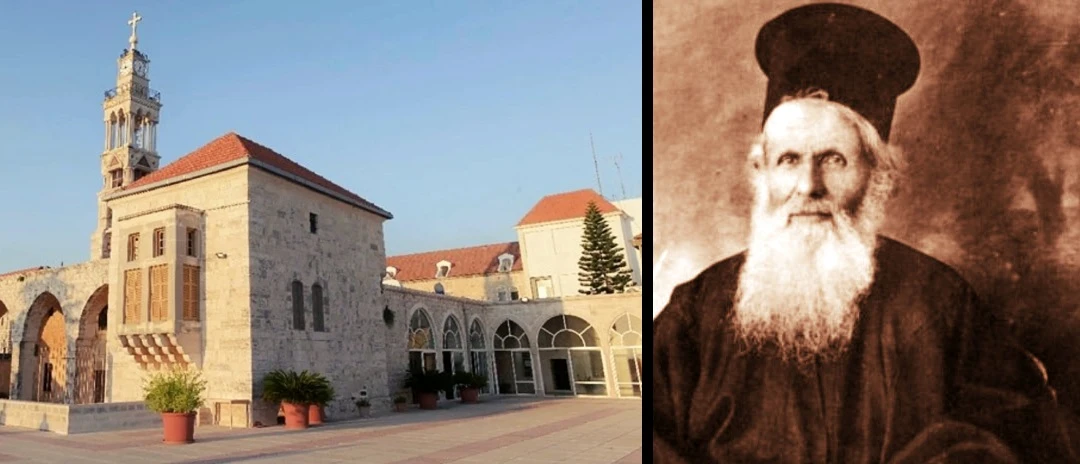
Bechara Abou Mourad was born in Zahle in 1853. His birth name was Salim Jabbour Abou Mourad. He joined the Basilian Salvatorian Order of the Melkite Greek Catholic Church, took the name Bechara, and was ordained a priest in 1883.
He was known for his ascetic lifestyle, humility, service to the poor, spiritual guidance, and hearing confessions. He spent years traveling between villages for pastoral work, later served in Sidon, and died in 1930. Church sources describe him as deeply devoted to prayer, uninterested in public recognition, and wholly dedicated to serving others.
But was he truly a saint?
As of the time this article was written, Bechara Abou Mourad had not been officially declared a saint by the Catholic Church. He was recognized for his heroic virtues and given the title 'Venerable,' which precedes beatification. On February 21, 2026, Pope Leo XIV approved recognition of a miracle attributed to his intercession, paving the way for his beatification in an official ceremony. Canonization, or sainthood, is a later step and usually requires recognition of another miracle after beatification.
So when Tony and Riad refer to him as a 'saint,' they're expressing their personal faith, not an official church status he held at the time of the incident.
The car that became a witness
Tony Hanna never got rid of the old Chevrolet. According to his account, he still keeps it in his garden, decades after the incident.
He placed a photo of Father Bechara Abou Mourad on the same right rear seat where the mysterious man had sat. For Tony, the car transformed from an old vehicle into the only tangible witness left from an experience he believes connected him to a holy person.
But for Tony, the story isn't just a closed chapter; he still feels the encounter is unfinished.
He says he continues to search for that man and hopes to meet him again. He regrets not being able to honor him as he wished—he had hoped to take him home, offer him hospitality and food, and even have him stay as an honored guest.
He couldn't give him money, didn't shake his hand, and never got the chance to host him. That's why he still hopes the man will reappear—not to prove his identity, but to give Tony a second chance to show him kindness and complete what he couldn't do during their first meeting.
How can this experience be explained?
There is one part of the story that seems credible: Tony Hanna and Riad Najmeh both insist they gave a ride to an unknown man, spoke with him, and were moved by what he said—only to find he had vanished when they reached their destination. However, the man's true identity remains a mystery.
From a faith-based perspective, the two witnesses believe the man was a saint—most likely Father Bishara Abu Murad—and that his appearance carried a message about fasting, prayer, and drawing closer to God.
From a more critical standpoint, the man could have simply been a passerby who left the car or walked away without them noticing, and later, after learning about Father Bishara, their memories of the encounter were reshaped. Human memory isn't a fixed recording; it’s often reconstructed in light of later emotions and knowledge.
It's also worth noting that the absence of a beard makes it difficult to rely on visual resemblance as definitive proof. And since the story is being recalled more than thirty years later, some details may have changed, even if the witnesses are being completely honest about what they remember.
Still, it's hard to reduce the experience to just a mysterious disappearance. The man didn't threaten them, claim to have special powers, or ask for money—in fact, he refused what they offered and left them with a simple message about fasting and prayer. Perhaps this moral and spiritual impact is the real reason the encounter has stayed with them all these years.
For Tony and Riad, the matter was settled long ago: the man was a saint, and the car still stands as a silent witness to his passing.
For the reader, however, the question remains: did the two friends simply give a ride to a good man who slipped away unnoticed, or did a rainy road truly witness a fleeting encounter between our world and the world of spirits?
About the Author