Sometimes a strange necklace appears on screen and we barely notice it, or someone mutters mysterious words that seem made up just to heighten the suspense. But some of these details actually existed long before they made it into the film: a seal from an occult book, a ritual passed down through generations, or an ancient belief that the director has revived. Filmmakers sometimes consult real practitioners to get the details right, while other times they change names or deliberately leave out parts of what they’ve found.
From the astrologer Al-Husseini in Egyptian cinema to shamans in Korea, nine films reveal a fascinating connection between cinematic imagination and esoteric traditions. When we talk about their 'actual' origins, we mean that these elements are found in real books, practices, and beliefs, not that their supernatural effects are proven. History can tell us what people believed, but that doesn’t mean those beliefs ever came true.
The Film 'He Returned to Take Revenge'
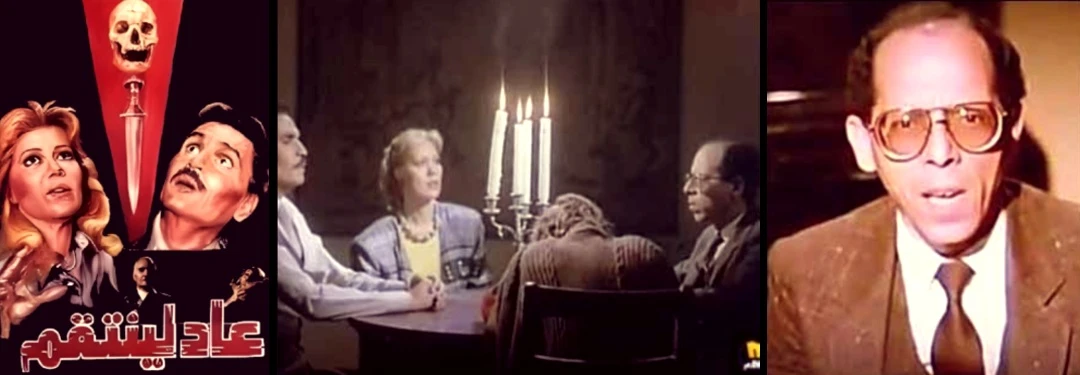
In the Egyptian film 'He Returned to Take Revenge' released in 1988 and starring Ezzat El Alaili, directed by Yassin Ismail Yassin, Sayyid Al-Husseini known as Al-Husseini the Astrologer appeared as a spiritualist. His appearance became the center of a widely shared story claiming he recited the 'Barhatiya Invocation,' or part of it, on camera.
His participation is confirmed in the film’s credits, but whether what he said matches the well-known text would require a direct comparison; the titles of viral clips alone aren’t enough to prove it.
Over time, the story grew into rumors about the director being tricked, spirits being summoned, and viewers experiencing strange events. These additions shouldn’t be treated as documented facts, which only adds to the intrigue: we have a movie scene, and we also have folklore that grew up around it.
Interest in Al-Husseini was renewed with reports that Ahmed Mekky will portray him in the upcoming series 'The Astrologer,' written by Ahmed Mourad and slated for Ramadan 2027, according to a Gulf newspaper article published in August 2026.
'The Blue Elephant' Film
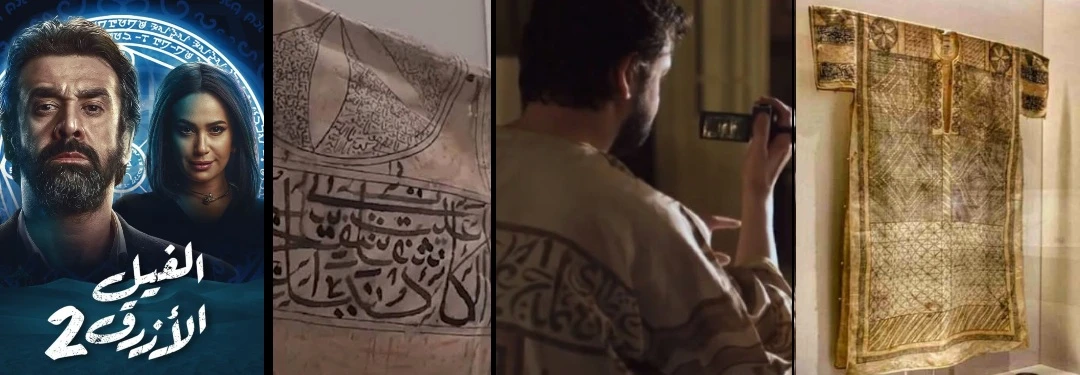
In the case of' The Blue Elephant' Egyptian film we have a direct statement from the writer himself. Ahmed Mourad explained during a 2019 appearance on the TV show 'Sahranin' that some of the numbers and incantations, both written and spoken in the two films, were taken from books on what’s known as 'Ilm al-Huruf' (the science of letters). He also mentioned that some of the songs were inspired by traditional wedding songs from Upper Egypt.
The film’s connection to esoteric traditions goes beyond cryptic words. The shirt covered in inscriptions and symbols worn by Karim Abdel Aziz recalls a historical tradition known as the 'Talismanic Shirt.' These garments were designed to serve as wearable amulets. The director of the Museum of Islamic Art in Cairo, speaking to Al-Shorouk, linked the shirt in the film to a Safavid-era piece in the museum’s collection, which features symbols and magic squares believed to protect against illness and spirits.
Historical examples of these garments combine verses, prayers, sacred names, and geometric patterns. Some were worn for protection in battle; the Metropolitan Museum holds a shirt thought to have been worn under armor. So, not all the inscriptions are mysterious talismans, nor were they always meant to summon entities, many were intended as protection or to ward off harm, according to the beliefs of their owners.
'A Dark Song' Film
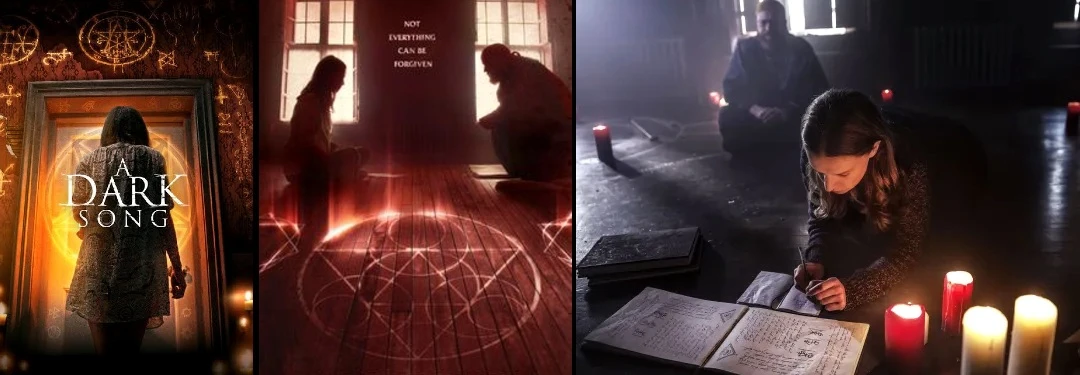
In A Dark Song (film) Released in 2016, the film follows a woman who isolates herself with a man skilled in ritual magic inside a secluded house. Together, they undergo a long and grueling preparation in hopes of contacting an angel. The story is inspired by the Abramelin Operation, a ritual described in a well-known occult book, which is said in that tradition to enable communication with the 'Holy Guardian Angel.'
However, director Liam Gavin revealed a detail that changes how viewers might approach the film: while the overall structure is inspired by the ritual, he intentionally chose not to depict the entire ceremony as it is traditionally performed. As a result, the film blends its written source with dramatic adaptations, and not every trial or practice shown is part of the actual Abramelin ritual. The film’s power lies in how it transforms waiting, discipline, and isolation into an experience that drains the two characters before offering any answers.
Hereditary (film)
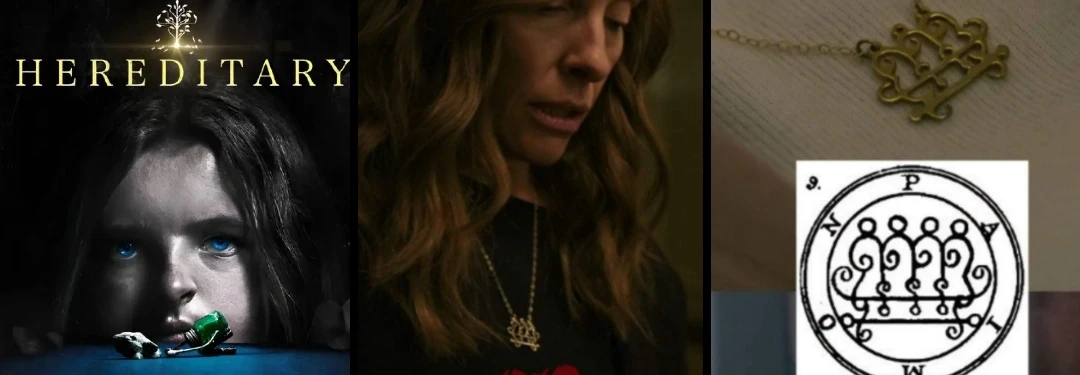
In Hereditary (film) In "Hereditary," a strange symbol appears repeatedly on necklaces and in other parts of the story. This isn't just a decorative choice by the set designer; it's inspired by the seal of Paimon, one of the names found in the "Ars Goetia," the first section of the Lesser Key of Solomon. This book describes various spirits, their seals, and their supposed roles.
The film uses the symbol as a visual clue before the audience understands its meaning, gradually turning familiar family details into unsettling signs. Still, the presence of Paimon and his seal in folklore doesn't mean the film's cult and its bloody rituals are a direct adaptation. Instead, the movie takes an ancient name and symbol and builds its own nightmare around them.
The Love Witch
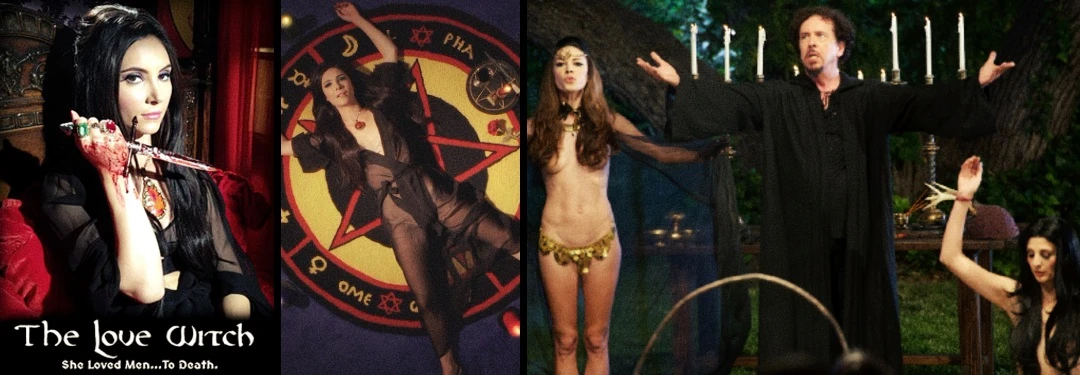
Beneath the vibrant look of The Love Witch there's an exploration of Wiccan practices, a modern pagan religion. Director Anna Biller said she read books, attended rituals and classes, and spoke with practitioners. She based the film's rituals on two main traditions: Gardnerian and Alexandrian.
Biller was also inspired by "witch bottles," which have historically been used for protection and warding off harm. She reimagined this tradition in a story about a woman obsessed with love, showing how the desire to attract someone can turn into a need to control them. Here, the connection to tradition comes not just from symbols, but from the director's own research, which she openly discussed.
The Craft
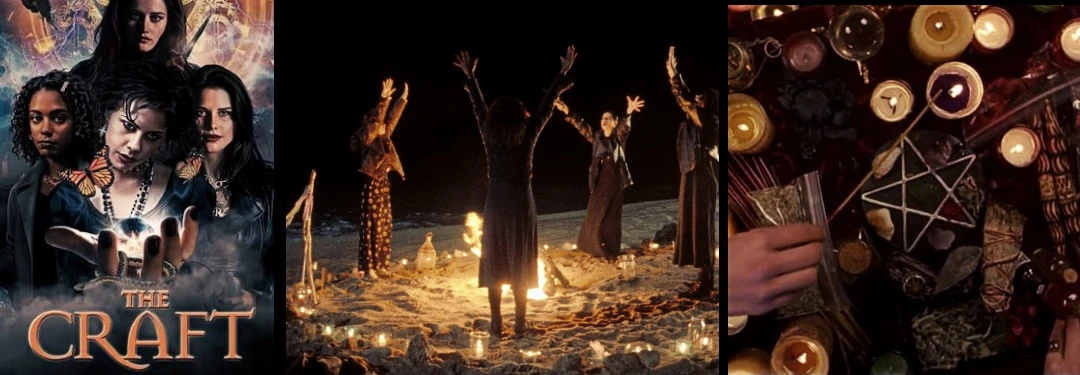
The 1996 film The Craft consulted Pat Devin, a practicing Wiccan, for advice on rituals. She helped shape scenes involving initiation and the calling of the elements, grounding them in concepts familiar to modern pagan practitioners.
However, "Manon," the entity the girls invoke, was created specifically for the film. This means each scene blends real-life practices with a fictional name invented for the story. That's why having a consultant doesn't guarantee every ritual on screen is authentic, cinema selects and reimagines elements to serve its narrative.
Exhuma
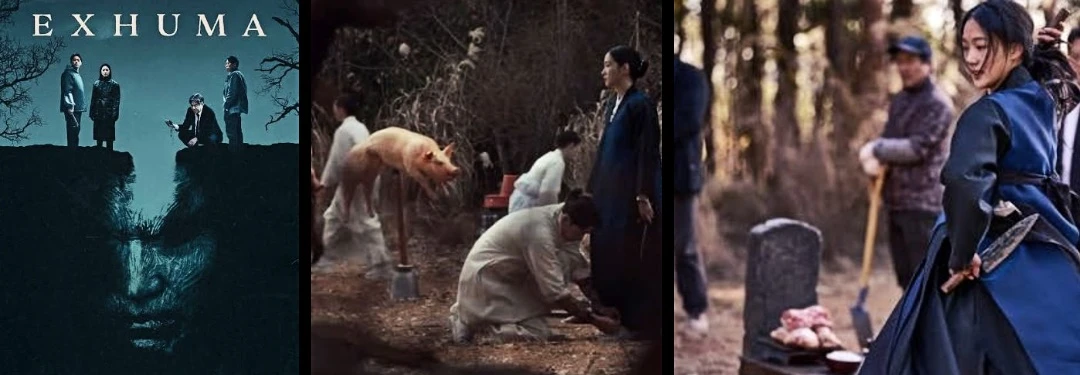
In the Korean film Exhuma, the relocation of a grave sets off a series of mysterious events. One of the most notable scenes features the "Daesal Gut" (대살굿) ritual, rooted in Korean shamanism. Actress Kim Go-eun said she observed the ritual in real life, spent time with shamans, and practiced the hand and body movements and chants with them.
According to her, "Gut" rituals are meant to calm spirits and resolve grievances within local beliefs. This is clear evidence of training based on real practices, but it's still about preparing for a performance. Rumors that Kim Go-eun actually summoned a spirit during filming are just that—rumors.
The Wailing
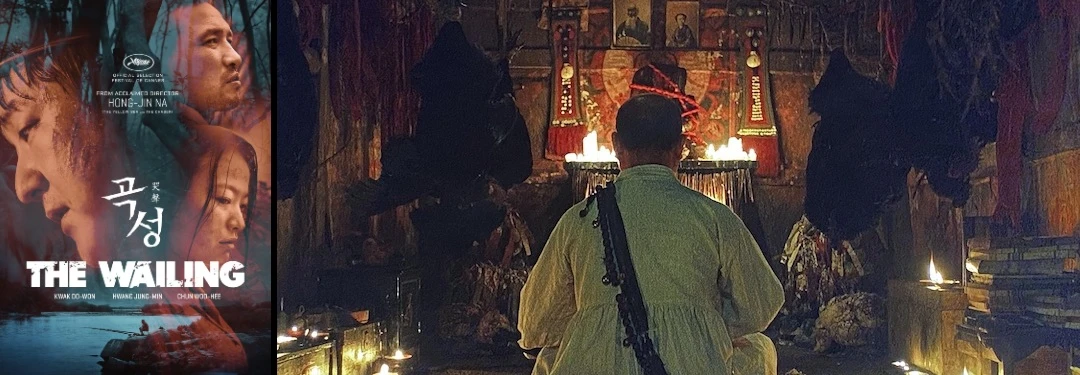
The 2016 Korean film The Wailing immerses viewers in a vivid shamanic ritual, woven into a story about a mysterious illness and a father's desperate attempt to protect his daughter. The rhythms, movements, and offerings make the scene feel intensely real, yet the film leaves us questioning the ritual's meaning and the role of the shaman.
Director Na Hong-jin has explained that he incorporated shamanism into the film as a reflection of his Korean heritage. The scenes draw on the 'gut' tradition, but this cultural background doesn't guarantee that every detail is an exact recreation of a specific ritual. Instead, the film uses inherited practices to create a dilemma of trust: when fear overwhelms our understanding, who do we turn to, and how can we be sure they're truly helping us?
The Witch
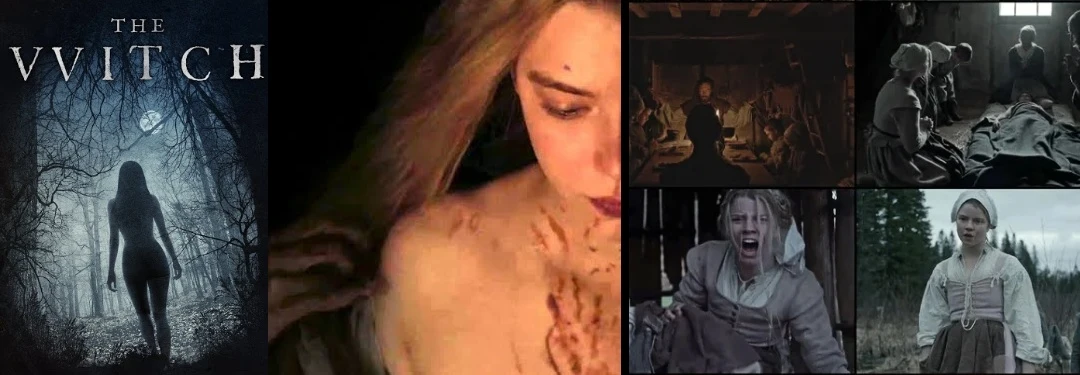
Robert Eggers based The Witch on ancient beliefs about witchcraft, creating a world where the fears of a family living on the edge of a New England forest come to life. The film features elements like flying ointment, pacts with the devil, and witches' gatherings.
This film requires a different perspective than the previous examples. It brings to life the stories and fears people once held about witches, rather than serving as evidence that those accused of witchcraft actually practiced it. Eggers described his work as a nightmare from the past here, authenticity refers to the historical beliefs and anxieties, not the truth of the accusations themselves.
Ultimately, understanding these origins adds a new layer to watching these films: a necklace becomes a text, a gesture becomes a legacy, and mysterious words echo beliefs older than cinema itself. Perhaps the most intriguing twist is that, after borrowing from folklore, cinema has started to create its own—stories about curses escaping the screen or actors uttering words they shouldn't. At that point, a new investigation begins: how does the art of fear become a story the audience believes?
About the Author