When you hear the name Dahshur in Egypt, the image that immediately comes to mind is of silent pyramids rising from the heart of the desert—most notably, the Bent Pyramid and the Red Pyramid. This area, home to some of the oldest royal tombs in history and once part of the great necropolis of Memphis, is more than just an archaeological site. It's a landscape steeped in the weight of death and the memory of funerary rituals that stretch back thousands of years.
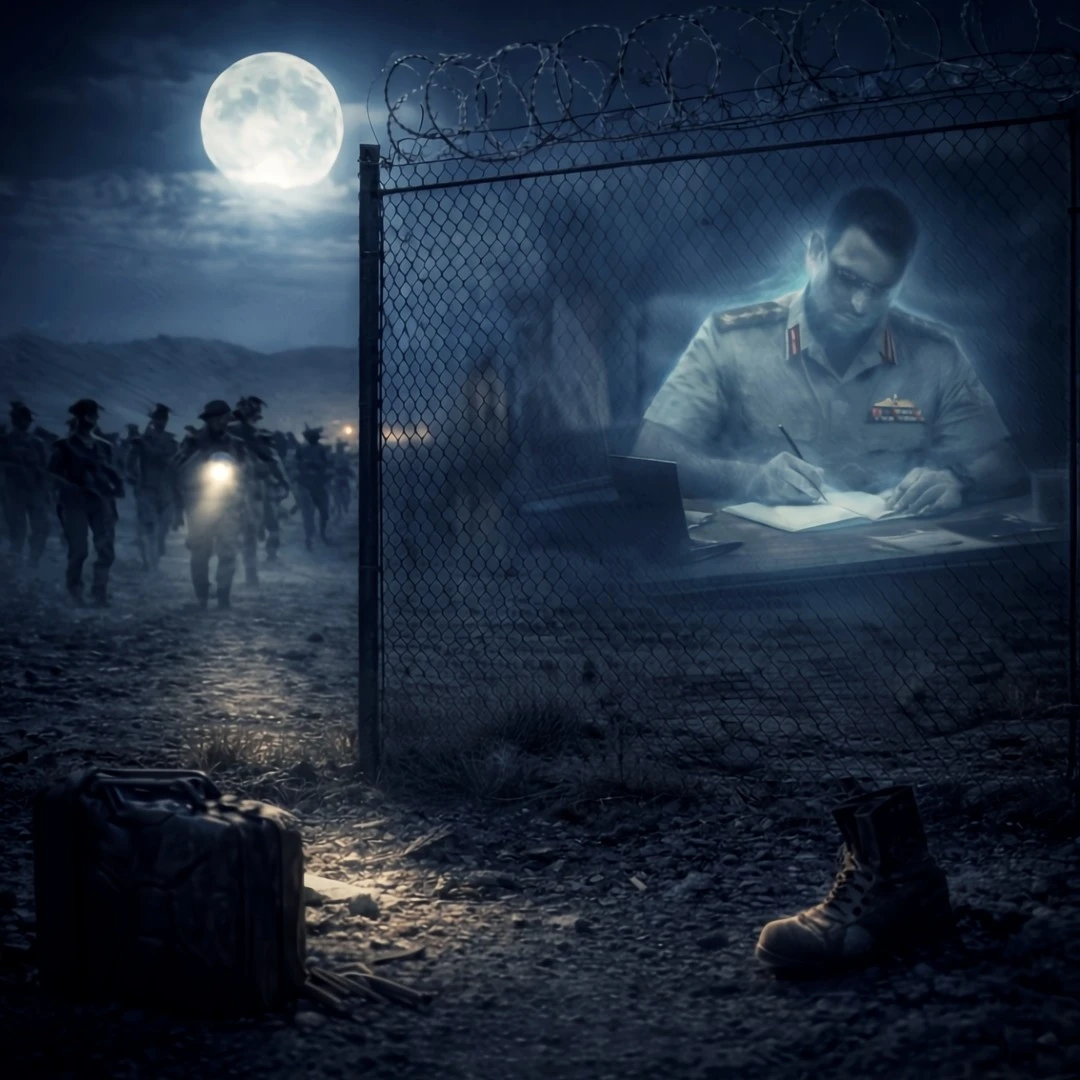
But Dahshur isn't just a chapter in history books. It also lives on in mysterious stories surrounding the military training camps that now occupy the area. Over time, these camps have gained a very different reputation: a place where unexplained voices echo through the night and strange sights are reported—things that shouldn't exist.
Cries in the Night... Without a Source
Former conscripts often share stories of hearing screams and gunfire deep into the night—at times when no training exercises are scheduled. What's striking is that these sounds are heard despite tight security that prevents any unauthorized approach to the camp. Some accounts are disturbingly detailed: military commands shouted, sporadic yelling, and sometimes what sounds like desperate pleas for help... followed by complete silence, as if nothing ever happened.
Although these stories have never been officially documented, they've been picked up by various media and cultural outlets, giving them a lasting place in the local folklore tied to Dahshur.
The General Who Never Left
One of the strangest tales involves a conscript who claimed to see a 'dead general' still performing drills in the camp's yard, seemingly unaware of his own death. He would appear, salute, move with strict discipline... and then vanish.
This image - a soldier or officer trapped between life and death - has surfaced in several variations, almost as if it's a symbolic reflection of a place where duty never ends, even after death.
Creatures in the Desert
Beyond the camp itself, even stranger stories circulate. One account from someone who served in the area describes seeing a massive creature with a horse-like head roaming the Dahshur desert. This wasn't just a fleeting glimpse; it left a deep impression on the witness, who insists he wasn't alone at the time. While these tales may sound mythical, they reveal something important: here, the desert isn't just a backdrop—it's an active force in shaping the sense of awe and fear.
Historical Overview
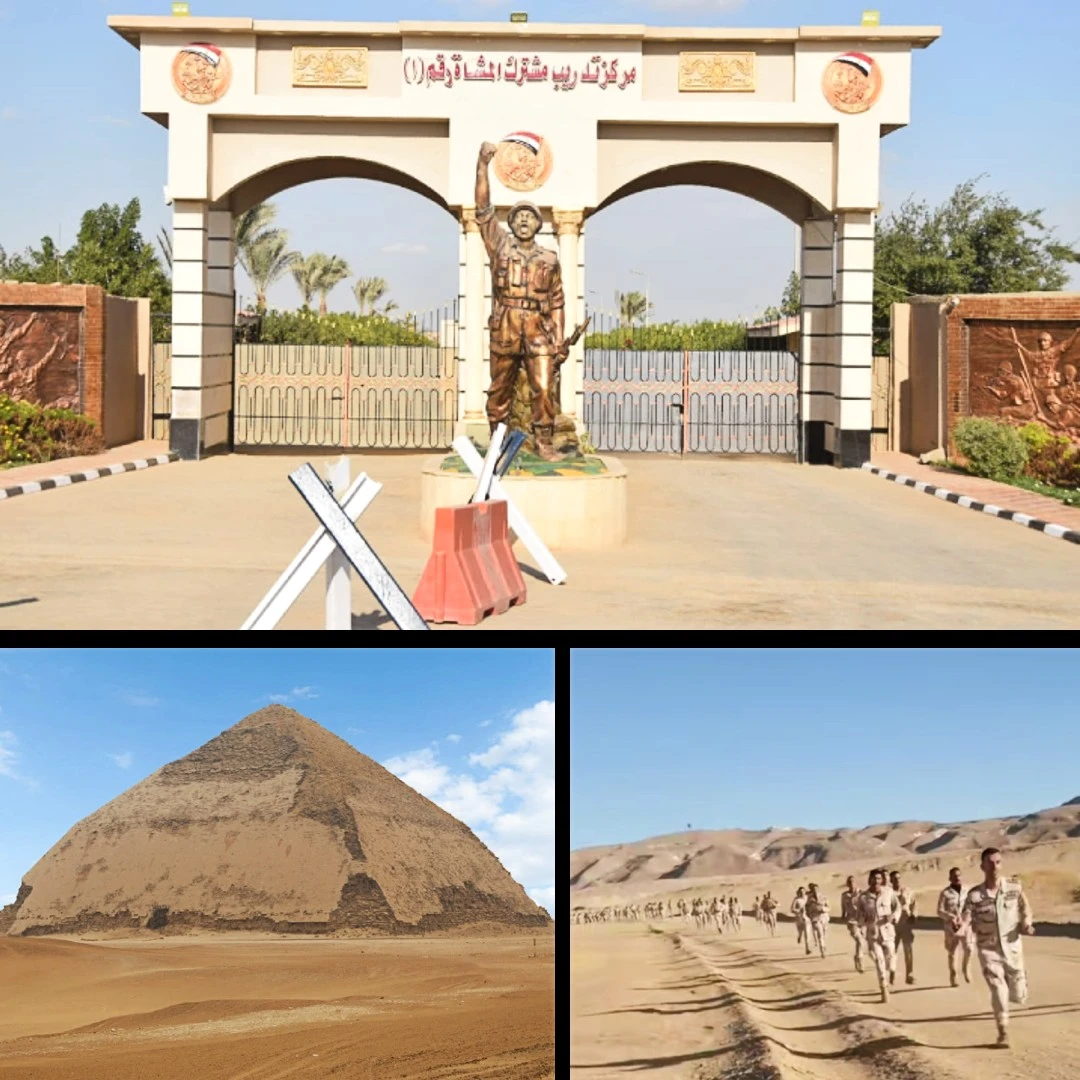
Dahshur is located about 40 kilometers south of Cairo and forms part of the southern extension of the ancient necropolis of Memphis. The site gained prominence during the reign of King Sneferu (around 2600 BCE), founder of the Fourth Dynasty, who commissioned two of Egypt’s most remarkable pyramids: the Bent Pyramid and the Red Pyramid. These monuments represent a pivotal transitional phase in pyramid architecture, bridging the gap between the earlier stepped designs and the fully developed forms later seen at Giza.
Dahshur remained significant in later periods, especially during the Middle Kingdom, when pyramids and tombs for the elite were constructed there. This made it one of the largest royal and elite burial grounds in ancient Egypt. For this reason, it is included as part of the 'Memphis and its Necropolis' UNESCO World Heritage Site.
In modern times, parts of the area have taken on a completely different role. Large stretches of the Dahshur desert have been used as military training grounds, thanks to their open landscape and distance from residential areas. This shift has created a unique overlap between an ancient burial site and a restricted military zone, a combination that, according to many stories, has contributed to the mysterious reputation the place holds in popular imagination.
Why Dahshur, specifically?
To understand this phenomenon, it’s important to consider the nature of the place itself. Dahshur brings together three rare elements: an ancient burial ground, an isolated desert environment, and closed military training facilities.
At night, the desert environment is notorious for playing tricks on the senses. Sounds travel far and become distorted, and shadows appear exaggerated. Add to this the physical exhaustion and psychological stress experienced by recruits in a strict setting, and perception becomes even more susceptible to confusion.
There’s also a symbolic factor: the proximity to pyramids and ancient tombs. In popular imagination, these are places that are 'inhabited' by their very nature, even without evidence. Any strange noise or unclear sight is quickly explained away as something unseen—a spirit, or a being from another world.
Between legend and reality
There’s no scientific proof or official documentation confirming that Dahshur is actually 'haunted.' What circulates are similar stories, fueled by an environment that’s perfect for such tales to take root.
The screams might just be distant noises or unseen training exercises, and the shadows could be optical illusions in the harsh desert. Still, for those who’ve experienced them, the fear and vivid details make the encounters feel absolutely real.
Ultimately, Dahshur stands as a vivid example of how a single place can embody two opposing faces: a silent archaeological site that tells the story of death, and a modern camp pulsing with life and discipline. Between the two lies a gray area where stories flourish.
Here, ghosts aren’t just possible beings, they become stories shaped by the place itself.
About the Author