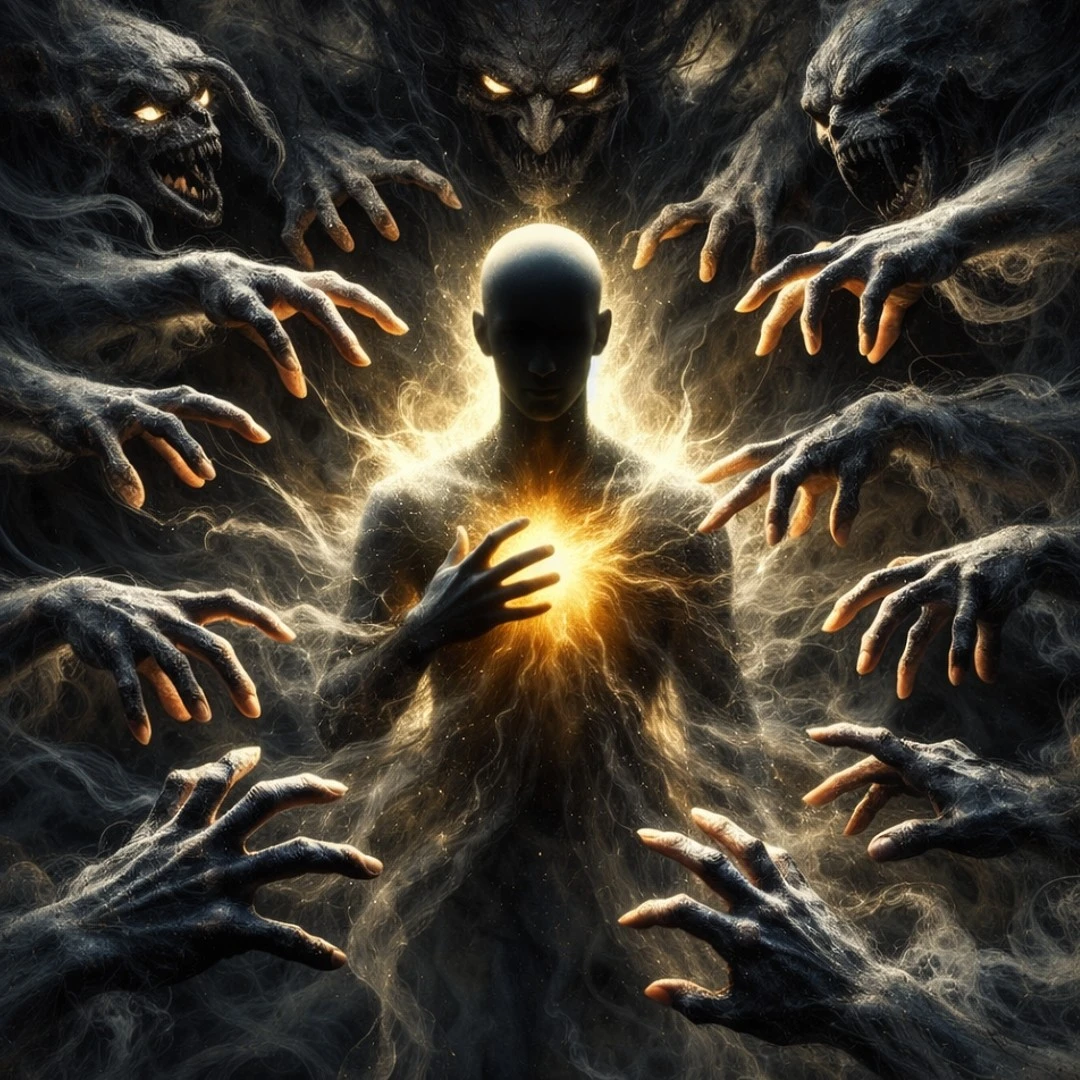
There are people whose company leaves us feeling as if something inside us has dimmed. There’s no obvious wound, no direct conflict, nothing tangible to point to, yet we walk away feeling drained, unsettled, and inexplicably exhausted. Sometimes it’s a sudden headache, tightness in the chest, or a sharp drop in mood, as if their mere presence was enough to sap our inner balance.
This idea isn’t new, it’s ancient. Across many cultures, this kind of depletion hasn’t always been explained away as simple 'social stress' or a 'toxic personality.' Sometimes, it’s been seen as a form of invisible predation: a person who feeds on others’ emotions, or an ethereal entity that thrives on fear, weakness, and exhaustion.
So, are we dealing with a modern urban legend dressed up in the language of spiritual wellness? Or does the concept of 'energy vampires' point to a real psychological phenomenon or perhaps, in some cases, something even more mysterious?
What is an energy vampire?
In contemporary usage, an energy vampire is someone who leaves you feeling emotionally or mentally drained after interacting with them. They may not be malicious in the traditional sense, and might not even be fully aware of what they’re doing, but the effect is unmistakable: fatigue, tension, confusion, impatience, or the sense that you’ve taken on burdens that aren’t yours.
In spiritual and paranormal beliefs, the idea goes beyond human behavior to something more radical:
Some believe that there are beings whether overpowering, exhausting people or ethereal entities that actually 'feed' on you. They might cling to your aura, slip in during moments of weakness, appear in dreams, or strike during times of grief, fear, or turmoil.
This is where the fascinating overlap between myth and psychology begins.
Energy vampires in ancient cultures
It would be a mistake to think of the 'energy vampire' as just a modern term that popped up on social media. The core idea , the existence of a being or person who drains others’ vitality or spiritual strengthcan be found in nearly every major civilization.
In Eastern Europe: The Strigoi
Romanian and Slavic folklore tells of creatures like the Strigoi , restless spirits or revenants who don’t just drink blood in the literal sense, but also sap the vitality, warmth, and life force from the living. The underlying belief was that the victim didn’t just fall ill physically, but would gradually wither away, as if something unseen was consuming them from within.
In South Asia: The Churel
In Indian, Pakistani, and Bengali traditions, the Churel is a female entity associated with death, vengeance, and the draining of life energy. In many folk tales, her threat isn’t just terror, but exhaustion: she weakens men, drains them, and leaves them emotionally or physically depleted. While these stories are rich with social symbolism about fear, desire, and mortality, they also reveal an ancient understanding of being worn down by a non-human presence.
In the Arab world and Europe: The Jathoom, Succubus, and Incubus
One of the most enduring images of the 'energy vampire' comes from ancient cultures’ belief in a nocturnal entity that attacks sleepers. In medieval Christian Europe, this idea took the form of the Incubus and Succubus The Old Hag phenomenon is known in the Arab and Islamic world as well. Sleep paralysis or the entity (often described as a jinn) that sits on the chest. In some beliefs, it's not just a matter of paralysis or nightmares, it's seen as a real attack that drains energy, instills fear, and saps vitality and desire. Many accounts describe waking up feeling depleted, as if something was stolen from them during the night.
In other folk traditions
From the Philippines to Latin America, from Slavic legends to tales of 'ghostly women' in Asia, a recurring pattern emerges: entities that don't necessarily harm you with weapons or direct violence, but instead drain your vitality, weaken you psychologically, or trap you in cycles of fear, exhaustion, and nightmares.
This cultural repetition doesn't necessarily prove these entities exist, but it does highlight something important: across time and place, people have noticed that certain presences are exhausting, and that some relationships or experiences leave behind a frightening sense of emptiness.
When and where do these paranormal entities become active?
In dreams and pre-sleep states
This is one of the most common contexts in people's stories: someone wakes up exhausted despite sleeping, senses a presence in the room, or experiences intense pressure on the chest, terror, or the feeling of an invisible entity nearby. In medical literature, many of these cases are now understood as sleep paralysis but in popular and spiritual beliefs, they're still often seen as nocturnal attacks.
In emotionally charged environments
Places marked by ongoing conflict, deep sadness, violence, addiction, psychological breakdowns, or homes filled with anxiety and hostility are often thought , according to some traditions, to be 'fertile ground' for the appearance or nourishment of parasitic entities.
After trauma or emotional breakdowns
There are many accounts—whether interpreted spiritually or psychologically—that link the feeling of mysterious exhaustion to periods following loss, divorce, emotional collapse, depression, or prolonged isolation. In these cases, it's sometimes hard to separate genuine psychological pain from supernatural explanations.
When the 'energy vampire' is a person, not a paranormal entity
Not every case requires a supernatural explanation. Sometimes, the 'energy vampire' is just an ordinary person , flesh and blood who drains you in subtle, repeated ways. This type rarely attacks directly or openly, but wears you down through chronic psychological exhaustion. It could be a friend, romantic partner, relative, or coworker. They might initially seem kind, needy, sensitive, or even wronged, but over time, you notice the same outcome: you're always left emotionally depleted.
Signs you might be dealing with a human 'energy vampire'
1- You feel drained after meeting them, even if it’s just for a short time.
One of the clearest signs is that you don’t need to have an argument or heated discussion to feel exhausted. Just spending half an hour with them leaves you feeling heavy, as if your mind has been emptied—or filled with something suffocating.
2- They always play the victim.
This is a very common pattern. The person doesn’t approach you aggressively, but rather from a place of being 'broken' or 'always wronged.' Over time, though, you become their emotional dumping ground, and your empathy becomes the fuel that keeps the relationship going.
3- Your mood drops when you’re around them.
You might start the meeting feeling fine, but leave feeling anxious, stressed, or down for no clear reason. This isn’t a trivial observation, it’s actually one of the most common signs of draining relationships.
4- They constantly demand your attention.
Everything has to revolve around them: their problems, struggles, opinions, crises, sensitivities, and needs. Even when you try to talk about yourself, they find a way to shift the focus back to them.
5- They make you doubt your own perceptions and mentally wear you out.
One of the most harmful patterns is when someone makes you question yourself: 'You’re overreacting,' 'You’re too sensitive,' 'That’s not what I meant,' 'You misunderstood me.' Over time, this doesn’t just drain your energy, it also chips away at your confidence in your own feelings.
6- The relationship comes with physical symptoms
Headaches, muscle tension, shortness of breath, mild nausea, sudden fatigue, these symptoms aren't necessarily supernatural, but they can be real signs of your nervous system responding to chronic stress.
7- They don't respect your boundaries
When you say 'no,' they push harder. If you ask for space, they ignore it. When you explain what bothers you, they either sidestep the issue or punish you emotionally. At this point, 'energy drain' isn't just a feeling, it's a pattern of constantly violating your psychological boundaries.
8- They make you feel guilty for protecting yourself
This is one of the most effective tactics. Instead of feeling justified in stepping back, you start to hear an inner voice: 'Maybe I'm being harsh... Maybe I'm selfish... Maybe I should put up with this more.' The relationship continues, not just because you're exhausted, but because you feel guilty too.
9- Drama follows them everywhere
Wherever they go, there's a crisis, conflict, tension, argument, misunderstanding, hypersensitivity, or a new disaster. Some people only know how to live in a constant whirlwind of emotion, and anyone who gets close gets pulled into the storm.
10- They drain not just one person, but the whole group
Sometimes you only notice it in group settings: as soon as a certain person arrives, the atmosphere shifts, the room feels heavier, tension rises, and everyone feels more drained. While this isn't supernatural proof, it's a striking social pattern.
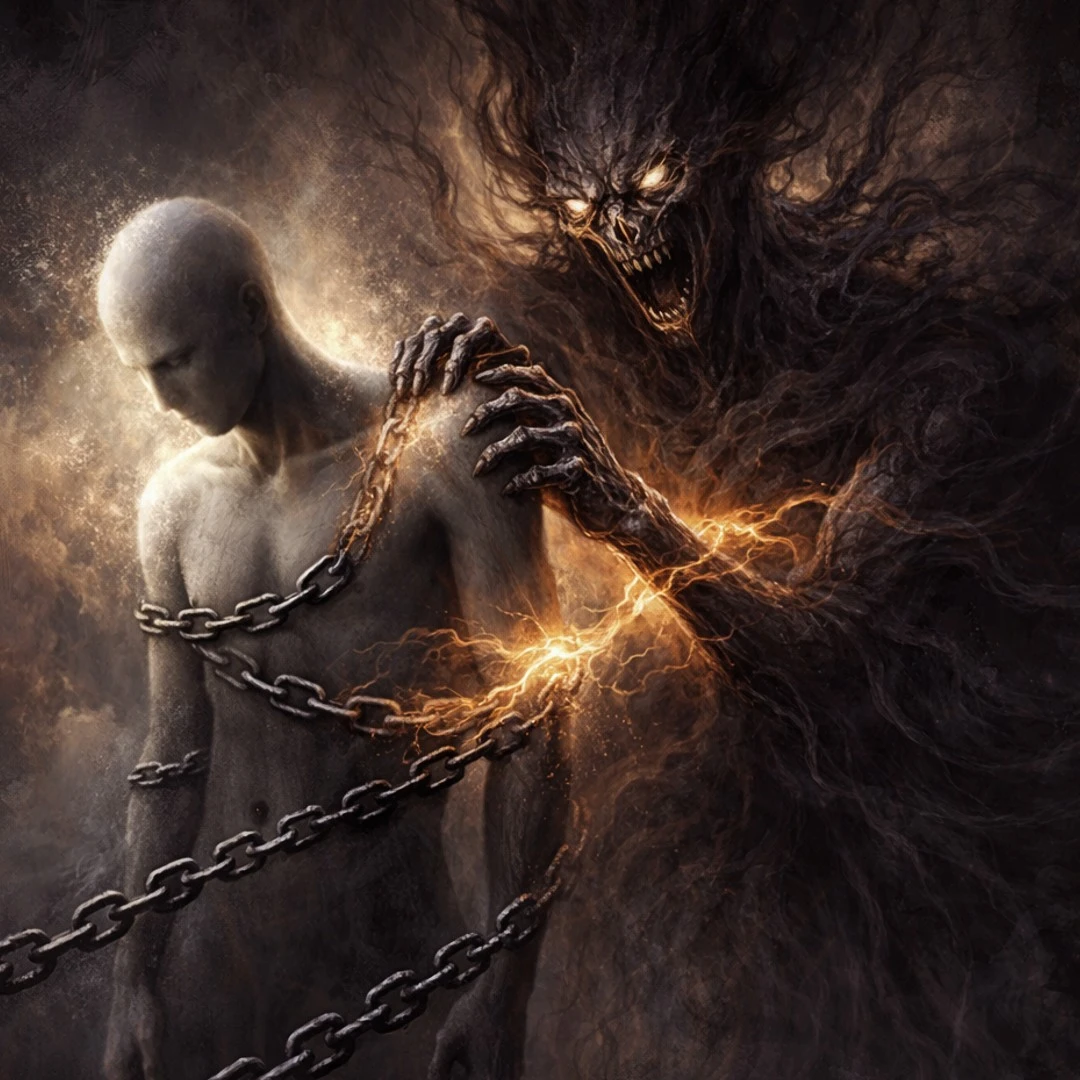
Psychological and scientific explanations
So why do we feel like some people 'drain' us?
There are neurological, psychological, and behavioral reasons behind this. Here are a few:
1- Emotional contagion
Humans are highly sensitive to the emotions of those around them. We pick up on tension, pessimism, sadness, anger, and agitation—even without fully realizing it. When you spend time with someone who's anxious, negative, constantly complaining, or tense, your nervous system can start to mirror their state. The result? You leave the interaction feeling 'drained,' but what's really happened is a well-documented emotional transfer.
2- Cognitive exhaustion
Some people wear you out because you constantly have to interpret their intentions, calm their reactions, anticipate their outbursts, re-explain yourself, or stay alert for mind games. These relationships sap your attention, working memory, and mental energy, leaving you tired—even if nothing 'major' happened.
3- Lack of psychological boundaries
If you're naturally empathetic, considerate, or used to supporting others, you may find yourself becoming an emotional dumping ground for people. Science doesn't talk about a 'leaky aura,' but it does point to something similar in practice: weak personal boundaries.
4- Unhealthy Attachments and Toxic Patterns
Certain personalities especially those with manipulative, narcissistic, borderline, or dependent traits often create relationships built on guilt, emotional blackmail, constant exhaustion, or chronic chaos. In these cases, the term 'energy vampire' is a fitting metaphor, even without invoking the supernatural.
5- Sleep Paralysis and 'Night Entity' Explanations
What’s sometimes described as an ethereal being attacking someone in their sleep actually has a strong scientific explanation in many cases: sleep paralysis. This is a state where a person partially wakes up while their body remains in REM-related muscle paralysis. It can come with sensations like a presence in the room, chest pressure, intense fear, difficulty moving or speaking, and sometimes vivid visual, auditory, or tactile hallucinations. Because the experience feels so real, it has inspired countless stories throughout history about incubi, succubi, and other night terrors.
That doesn’t mean every nighttime experience is just 'imagination,' but it does mean we have a solid neurological explanation for many of these events.
An 'energy vampire' isn’t always a ghost... but it’s not always just in your head, either.
How to Protect Yourself from 'Energy Vampires'
Even if you leave the paranormal question open, practical ways to protect yourself are pretty much the same in every case.
First: Trust How You Feel After Interactions
If being around someone consistently leaves you drained, don’t ignore it. People sometimes make the mistake of looking only for 'logical evidence' and overlook what their body and emotions are telling them.
Second: Set Clear Boundaries
Boundaries aren’t harsh, they’re protective. Say 'no' when you need to, limit your time with people who exhaust you, and don’t let yourself become everyone’s emotional emergency hotline.
Third: Don’t Get Pulled into Every Emotional Battle
Some people only feel alive when they drag you into their chaos. Not reacting to every provocation, complaint, or drama isn’t coldness—it’s self-preservation.
Fourth: Address What Makes You Vulnerable to Being Drained
Loneliness, emotional hunger, guilt, low self-esteem, and a constant need for approval all make you more susceptible to being drained by others.
Fifth: Take Care of Your Sleep and Nervous System Health
Many so-called 'paranormal' experiences tend to intensify with lack of sleep, anxiety, stress, staying up late, and mental exhaustion. Sometimes, the best 'spiritual protection' starts with getting enough rest and managing stress.
Sixth: If you believe in spiritual practices, use them as a complement—not a substitute.
Rituals like spiritual cleansing, prayer, meditation, reciting affirmations, or burning incense can bring a sense of comfort, control, and reassurance. But it's best to see them as supportive tools, not as a replacement for addressing psychological issues or unhealthy relationships.
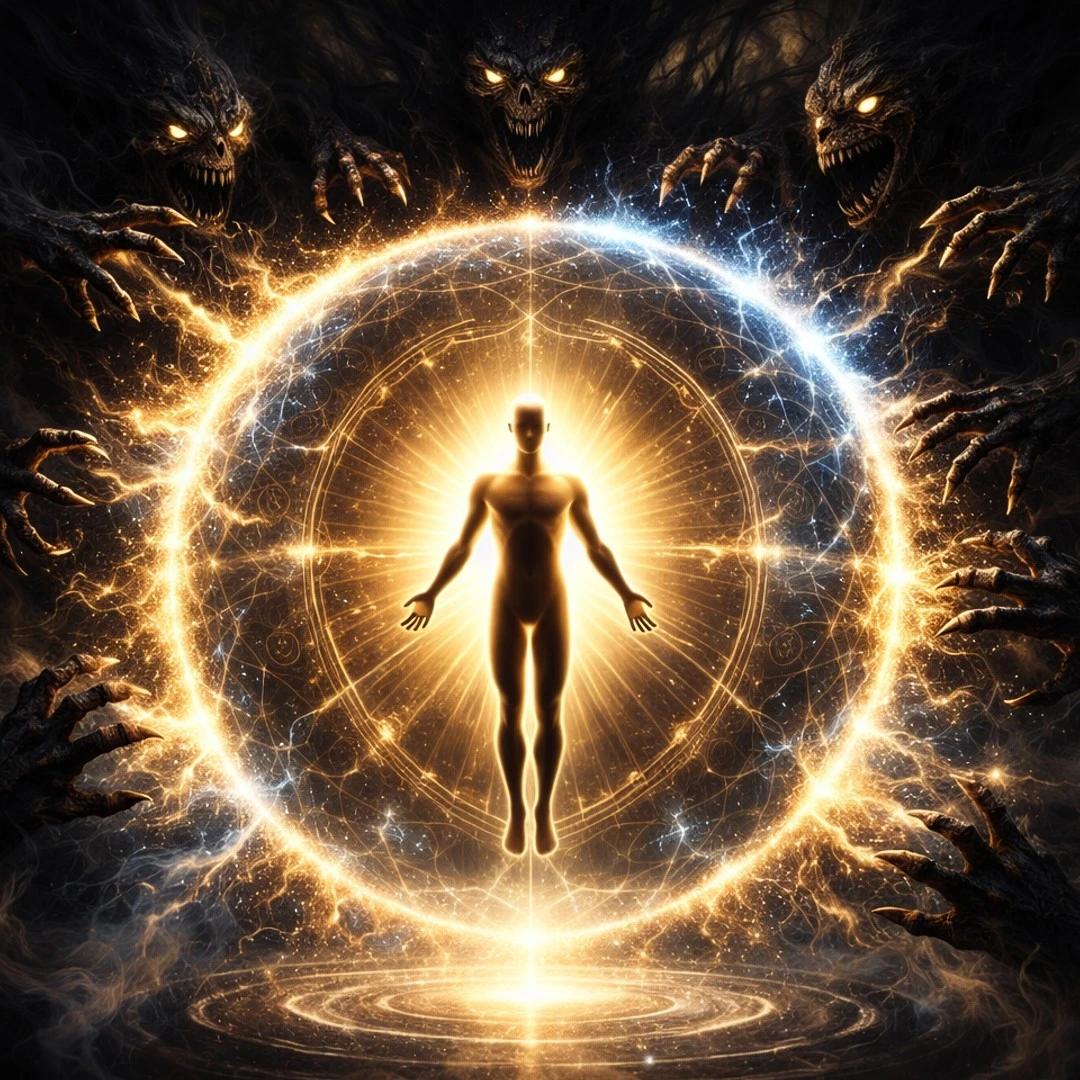
Why does the idea of an 'energy vampire' persist?
Because it taps into a deeply human experience: some encounters simply drain us.
One culture might explain it as a parasitic spirit, another as a narcissistic personality, while science describes it as emotional contagion, nervous exhaustion, and broken boundaries.
But the outcome is the same: certain people and experiences leave us feeling less ourselves, less clear, and less energized.
That's why the legend of the 'energy vampire' lives on.
Even if we disagree on the explanation, it speaks to something very real in human experience.
Perhaps the real wisdom isn't about proving or disproving their existence, but asking ourselves a more important question:
Who are the people or what are the experiences that leave us feeling less alive?
About the Author