In the heart of southern Africa, where diverse cultures and traditions meet, South Africa is alive with a rich heritage of myths and the supernatural. From legendary creatures said to inhabit forests and rivers, to magical rituals practiced by local communities, this country offers a unique experience for fans of mystery and the paranormal.
Legendary Creatures in Folklore
Tokoloshe
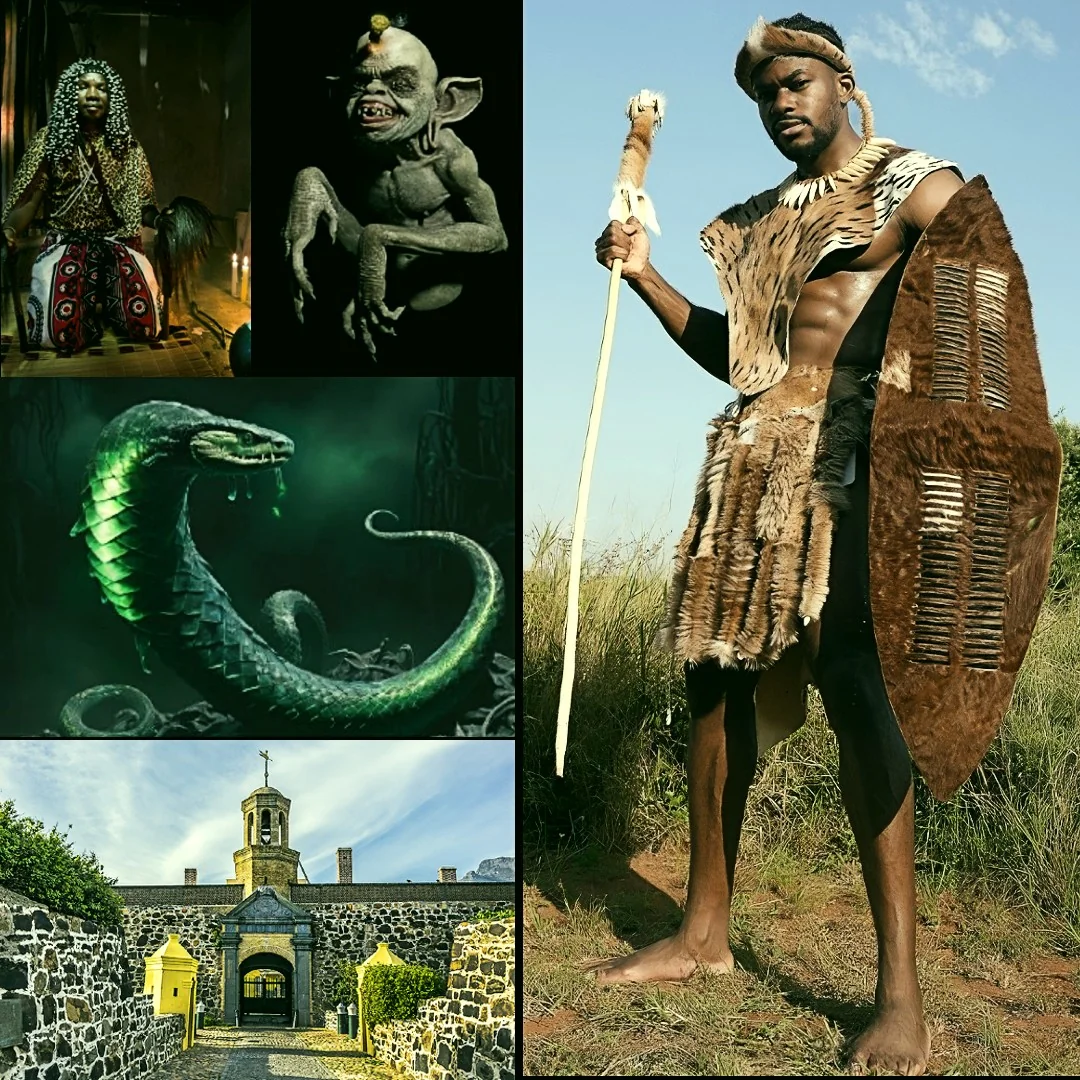
The Tokoloshe A small, mischievous being believed to be summoned by witches to harm others. It's said to attack people while they sleep, which is why some raise their beds off the ground as a precaution. Stories about the Tokoloshe vary, but it’s often blamed for causing illness and sudden, unexplained deaths.
Impundulu – The Lightning Bird
A mythical bird the size of a human, believed to summon lightning and thunder with its wings and claws. Associated with witchcraft, the Impundulu is said to serve witches, attacking their enemies and drinking their blood. In some tales, it can transform into a handsome young man who seduces women.
Mamlambo – The River Goddess
A water creature described as a mix between a horse, a snake, and a fish. Known as the "brain-sucker," Mamlambo is said to attack victims and consume their faces and brains. She’s also linked to wealth and prosperity, with some believing she can be summoned for money, but always at a steep price.
Haunted Places and Mysterious Sites
Castle of Good Hope
The oldest colonial building in South Africa, built in the 17th century, is the subject of many ghost stories. Tales include the "Grey Lady" and a soldier said to have hanged himself in the bell tower. Visitors often report hearing mysterious voices and footsteps echoing through the corridors.
Youngsfield Road – Cape Town
On the outskirts of Cape Town, near the Youngsfield military area, there’s a dark, quiet road with a chilling reputation among locals. Known for sightings of the "Soldier’s Ghost," witnesses describe seeing the apparition of an unknown soldier in an old military uniform, silently walking along the roadside or suddenly crossing the street before vanishing. Drivers often report a sudden chill, flickering dashboard lights, or glimpsing a man standing in the middle of the road who disappears without a trace.
Some believe this ghost is the spirit of a soldier killed in a tragic training accident, the details of which were never made public. Today, the road is a popular stop on Cape Town’s nighttime ghost tours.
Drakensberg Mountains
Known as the "Dragon Mountains," this range is steeped in legend. The area features ancient rock art from the San people and is the setting for stories about mysterious creatures and spirits said to inhabit its caves and valleys.
Zulu Culture
The Zulu people, one of the largest ethnic groups in South Africa—have a rich tradition of supernatural and magical beliefs deeply rooted in their culture for centuries. Their spiritual heritage stands as one of the most prominent examples of living African traditions. Here are some key aspects to highlight when exploring the paranormal side of South Africa through the lens of Zulu culture:
Belief in Ancestors
The Zulu believe that the spirits of deceased ancestors (Amadlozi) remain present and continue to influence the lives of the living. People seek their approval and guidance in all aspects of life—marriage, travel, major decisions, and even healing. Ritual offerings, often involving animal sacrifice, are made to honor them. Ancestors are believed to appear in dreams or as inner voices.
Sangoma and Inyanga
The Sangoma is the traditional spiritual medium or diviner among the Zulu, believed to receive visions from the spirits during trance-like states. The Inyanga, on the other hand, is a traditional healer who uses rare herbs and magical remedies for healing or harm. Sometimes, one person may fulfill both roles, and they may also collaborate in major healing rituals.
Magic for Protection and Attack
Muthi is the general term for all things related to magic whether for healing or harm. Zulu mythology distinguishes between 'black magic' used to cause harm (like illness or bad luck) and 'white magic' for protection or prosperity. In some areas, crimes known as 'muthi killings' still occur, where human body parts are taken for use in rituals believed to grant supernatural powers.
Rituals, Marriage, and Dreams
Dreams are seen as a way to communicate with the spirit world and are taken seriously, often interpreted by a Sangoma. Marriage rituals are not considered complete without consulting the ancestors, and ignoring their wishes is believed to lead to infertility or divorce. Young men and women undergo initiation rites involving isolation, reflection, and learning about ancestral traditions.
Even today, people call on Sangomas to resolve difficult issues such as infertility, academic failure, divorce, or even to find a thief despite the spread of Christianity and Islam.
Magic in the Modern Era
In South Africa, magic isn't just the stuff of folklore, it often finds its way into everyday life, even within official institutions.
In the Courts
There are frequent reports of magic especially Muthi being used to resolve disputes or influence judges' decisions. Some criminal cases have featured unusual explanations, with defendants claiming they were 'bewitched' or that a spirit committed the crime on their behalf.
In Politics
Election campaigns have featured images of politicians visiting Sangomas before major events. In some rural areas, a successful politician is believed to be one who has received a 'blessing' from their ancestors through a spiritual intermediary.
In Sports
Media reports have surfaced about sports clubs using Muthi magic, such as burying charms under the goalposts or along the sidelines to bring good luck or disrupt opponents.
In one famous match, the referee stopped the game after noticing players sprinkling a strange substance on the field, which was later explained as protective charms.
Spirit Summoning
Many rituals go beyond healing or protection, involving the summoning of spirits for revenge or to uncover the perpetrators of crimes like murder or theft. These ceremonies often use drums, incense, bone ash, and seashells, and are typically performed in secret at night near cemeteries or in remote locations.
About the Author