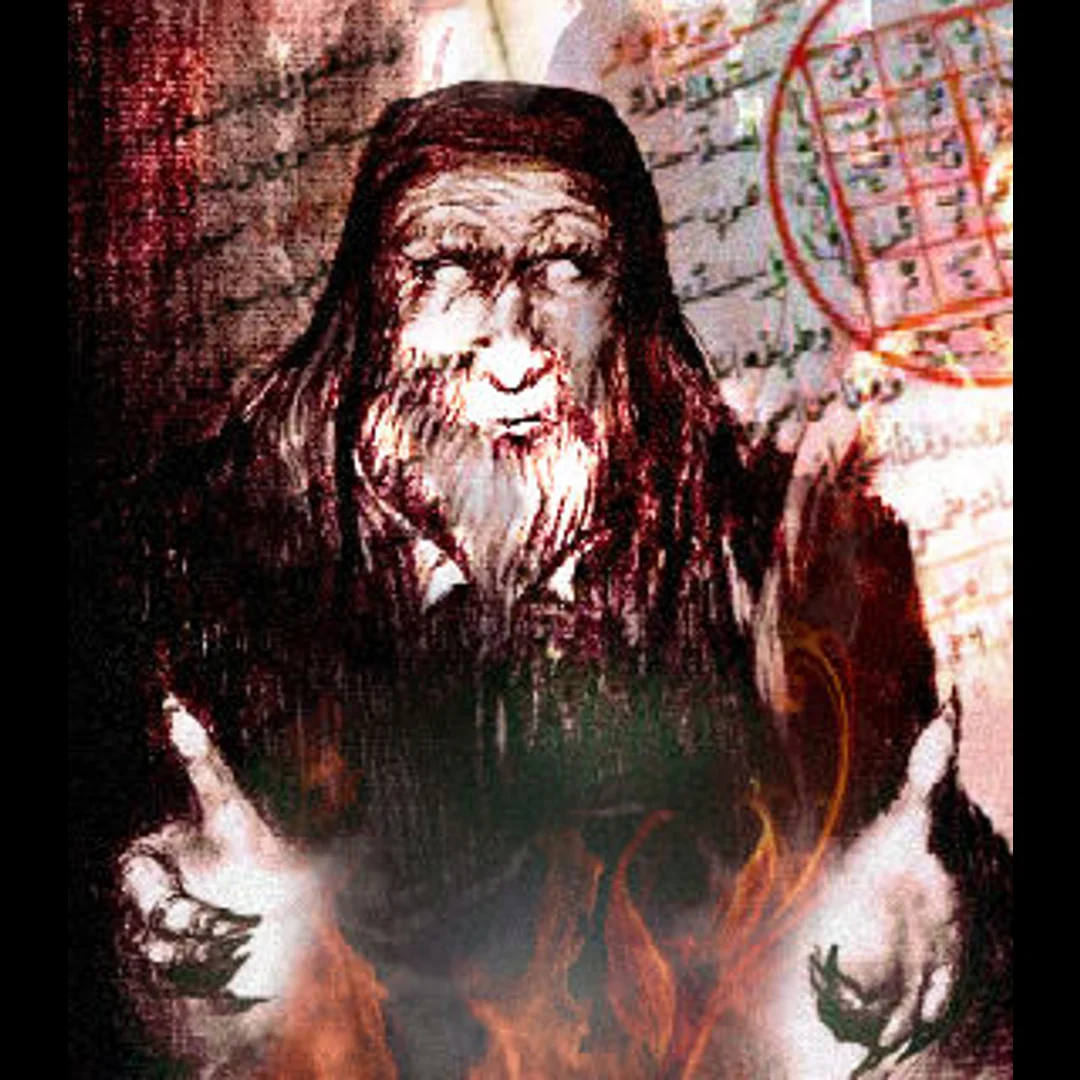
Shams al-Ma'arif (alternatively translated as The Sun of Knowledge and Benevolent Wisdom) is a famous spiritual and esoteric book attributed to Ahmed bin Ali Al-Buni.
While scholars have often labeled it a manual of witchcraft and occult practices filled with enigmatic talismans and cryptic formulas, the truth behind the book remains layered in mystery and misunderstanding.
The edition most commonly circulated today published by The Popular Library of Beirut in 1985 spans 577 pages and includes four additional treatises written by Abd al-Qadir al-Husseini al-Adhami, titled:
- The Scales of Justice in Sand Divination
- The Introductions of Planetary Inclinations
- The Blossoms of the Zodiac Fields
- The Gentle Guide to Planetary Influences
However, experts argue that modern copies are incomplete and commercialized versions, lacking the depth of the original manuscript said to have consisted of three massive volumes written over two centuries ago.
About the Author
Abu al-Abbas Ahmed bin Ali al-Buni (d. 622 AH / 1225 CE) was born in Bona (now Annaba) in Algeria and passed away in Tunisia.
He was a renowned Sufi mystic and scholar, known for his deep exploration of esoteric Islamic knowledge.
In addition to The Sun of Great Knowledge, he authored The Source of Wisdom and other works focused on divine names and Quranic verses.
One of his most notable influences was Abu Yazid al-Bistami, an early Sufi master.
Strange Legends Surrounding the Book
Over the years, countless stories have emerged about bizarre experiences linked to possession or reading of The Sun of Great Knowledge.
While the veracity of these accounts remains uncertain, they continue to spark debate: are these tales genuine warnings against tampering with spiritual forces, or mere superstitions to deter curiosity?
Here are three notable anecdotes:
Story 1: The Mysterious Visitor
A man recounts that his brother borrowed an ancient stitched copy of The Sun of Great Knowledge.
Soon after, while the family was sitting outside their home, a strange man approached. He had bulging eyes, a sinister smile, and an unnerving cold touch.
His feet were swollen and distorted, and his presence instilled terror. After the book was returned, the mysterious man—whom some claimed to be a jinn (an entity from Islamic folklore made of smokeless fire)—vanished without a trace.
Story 2: The Haunted Library
Another story tells of a man who attempted to photocopy pages from the book.
As soon as he started, the glass in front of him shattered, and the electricity in the library mysteriously went out—while neighboring buildings remained fully lit.
Afterward, the man experienced a series of misfortunes: a friend fell ill, communication with acquaintances inexplicably failed, and unsettling coincidences piled up—until the book was removed.
Story 3: Madness After Reading
One account describes a respected scholar who, after reading The Sun of Great Knowledge, lost his sanity and now wanders his hometown aimlessly, consumed by madness—a fate that some believe the book can invoke.
Fear, Folklore, or Reality?
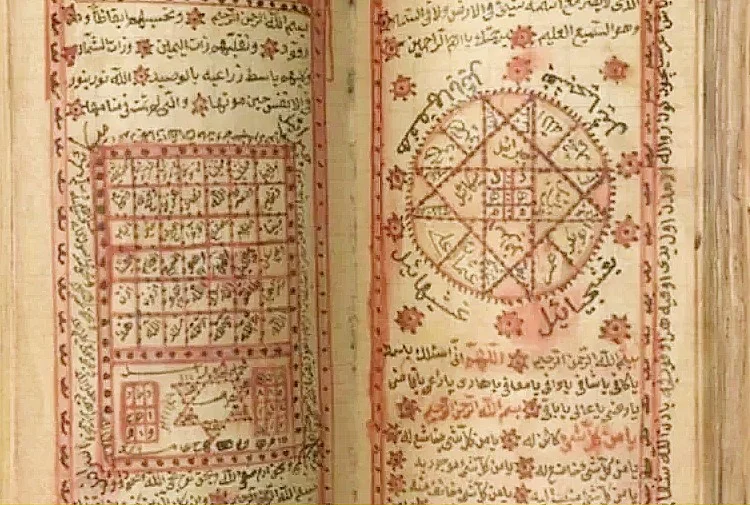
Is it the book’s powerful talismans, misunderstood spiritual content, or its connection to ancient traditions that fuels such chilling legends?
In Islamic belief, jinn are invisible beings who can interact with the physical world under certain conditions. While Islam forbids summoning or enslaving them, folk traditions across North Africa and the Middle East often weave tales where books like Al-Buni’s supposedly grant knowledge—or unleash danger.
Whether these stories are exaggerations, psychological projections, or genuine supernatural encounters remains an open question.
What is certain is that The Sun of Great Knowledge occupies a unique and unsettling place at the crossroads of spiritual exploration, mysticism, and fear.
About the Author